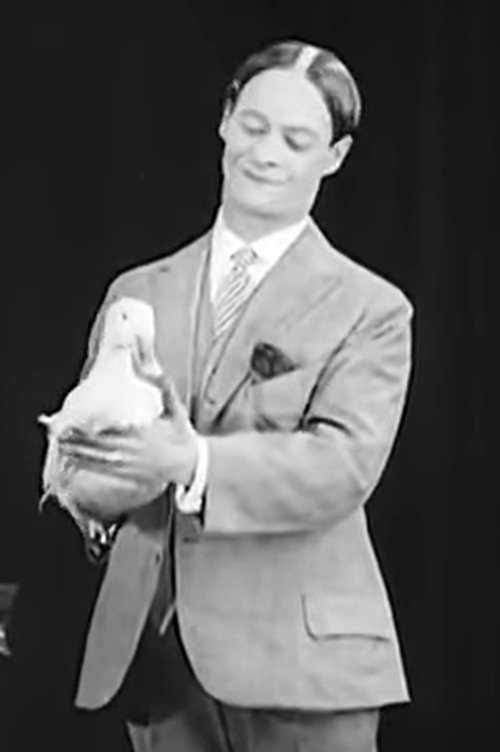
Gus Visser and His Singing Duck
1925
No user ratings available yet
Representation score: 2.6 out of 10
Representation Score
Minimal
1923
Director
Lee De Forest
Runtime
7 minutes
Average Rating
No ratings yetNew Showbiz Analysis
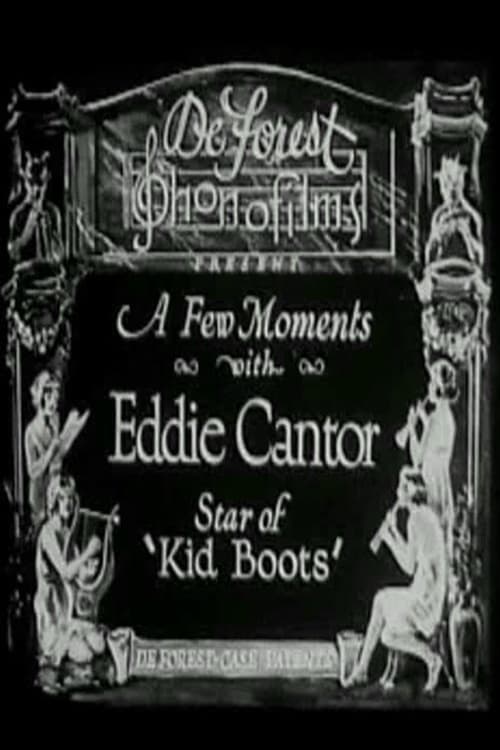
A Few Moments with Eddie Cantor is primarily a technical demonstration of early cinema rather than a narrative-driven film. As an experimental sound short from 1923, its main goal was showcasing audio technology through a single comedian's performance. Because it focuses on demonstrating technology, it lacks the narrative complexity necessary to address multi-layered themes. Operating within the standard entertainment frameworks of the early 20th century, the film offers minimal social commentary. Consequently, it reflects the era's conventional social hierarchies and homogeneous casting practices.
Category Breakdown
The film does not include any LGBTQ+ characters or narratives. It mainly showcases early sound technology through a single comedian's performance.
The production likely follows traditional gender roles typical of early 1920s vaudeville. There is no indication of women in leadership positions or subverted masculinity.
The film reflects the homogeneous casting practices of its time. It features Eddie Cantor performing within mainstream vaudeville traditions without significant non-white representation.
This work serves as a standard comedic showcase. It does not critique Western institutions, prioritize secular views, or explore anti-capitalist narratives.
There is no evidence of characters with visible or invisible disabilities. No such figures are portrayed with significant narrative importance.
Present on Screen
Limited or Absent
Official Synopsis
Early sound film featuring comedian Eddie Cantor.
1925
1932
1931
1929
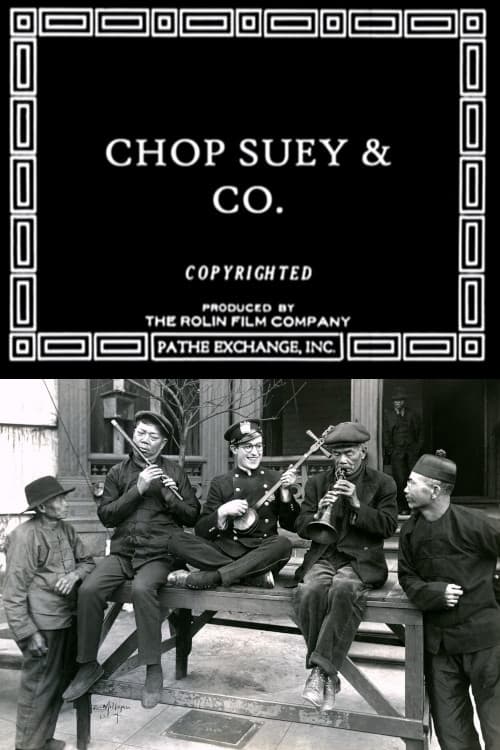
1919
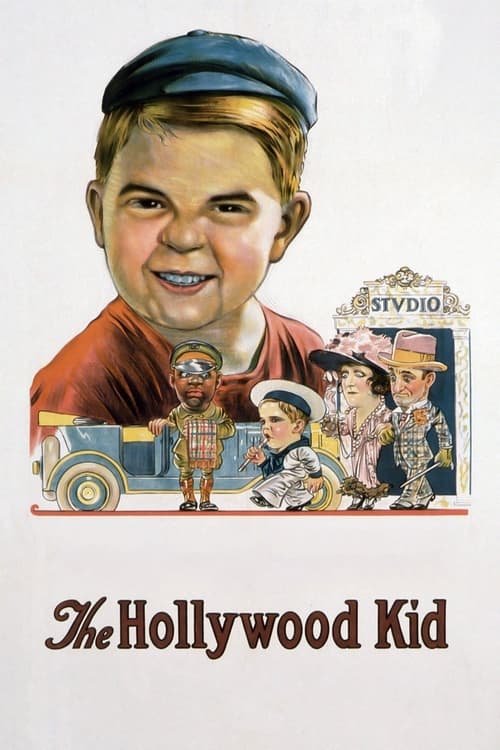
1924
1936
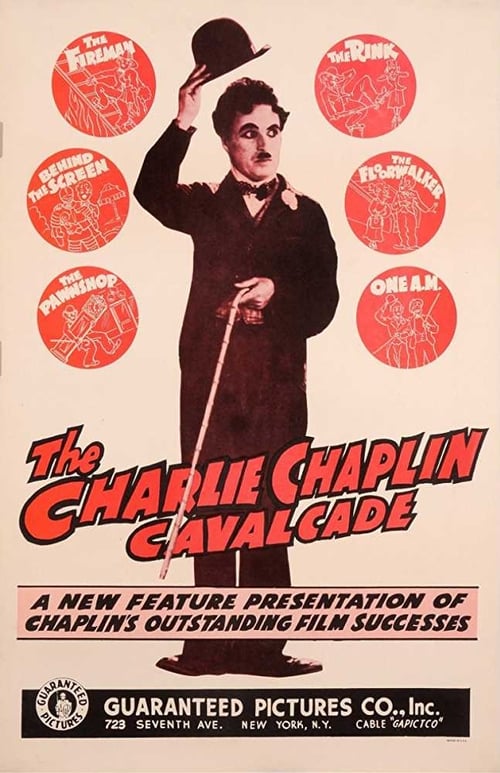
1941
No reviews yet. Be the first to share your thoughts on this movie!
Use the rating form above to leave a star rating and optional review.