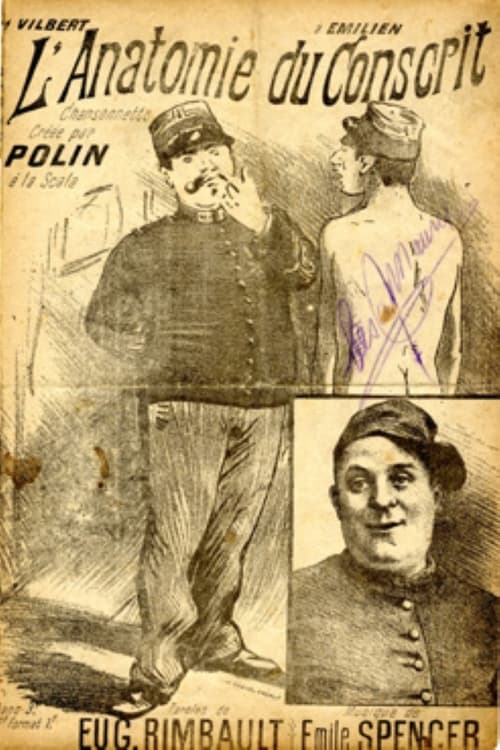
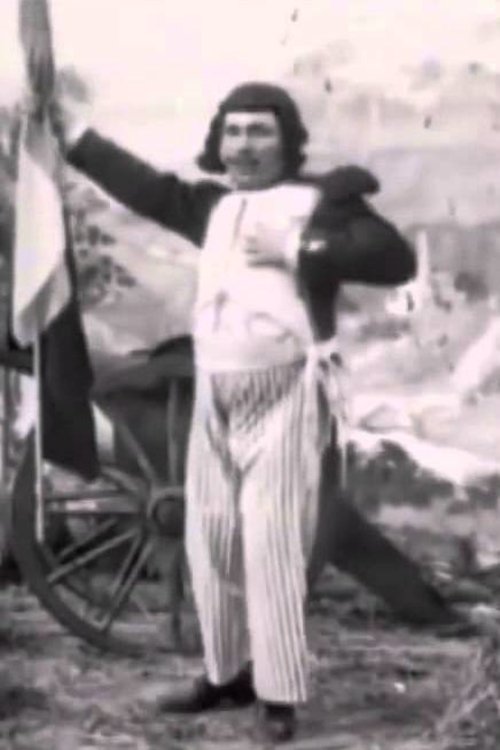
Polin Performs "The Anatomy of a Draftee"
1905
No user ratings available yet
Representation score: 2.0 out of 10
Representation Score
Limited
1906
Director
Alice Guy-Blaché
Runtime
2 minutes
Average Rating
No ratings yetNew Showbiz Analysis
This 1906 musical short is a crucial historical document primarily due to its emphasis on female professional autonomy. While it lacks modern multi-layered complexity, the leadership of Alice Guy-Blaché disrupts the patriarchal structures of early cinema. The film's strength lies in its subversion of technical hierarchies, placing women in central roles as both director and performer. However, it remains limited by the era's demographic homogeneity and a lack of narrative depth regarding diverse identities. Ultimately, the work serves as a foundational example of female professional autonomy rather than a tool for social critique.
Category Breakdown
The film does not explicitly depict LGBTQ+ characters or same-sex relationships. However, the director's role subtly suggests a professional authority.
The film challenges traditional gender roles by placing a woman in a position of technical and creative leadership. It highlights the importance of women's control over the narrative.
The film reflects the homogeneous demographics typical of early 20th-century Western productions. There is no indication of non-white or non-Anglo-Saxon casting.
The performance captures a specific Western social ritual through a documentary lens. It preserves tradition without critiquing cultural practices.
There is no visible depiction of physical disabilities or neurodivergent identities in this musical short.
Present on Screen
Limited or Absent
Official Synopsis
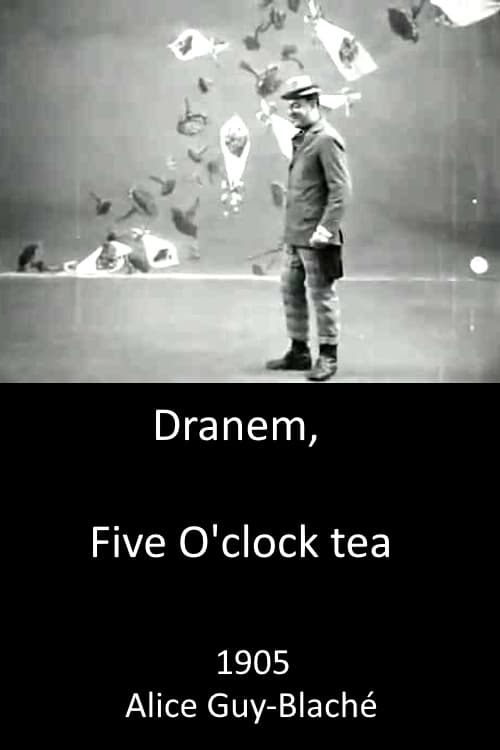
Dranem performs "Five O'Clock Tea" for Alice Guy.
1905
1905
1905
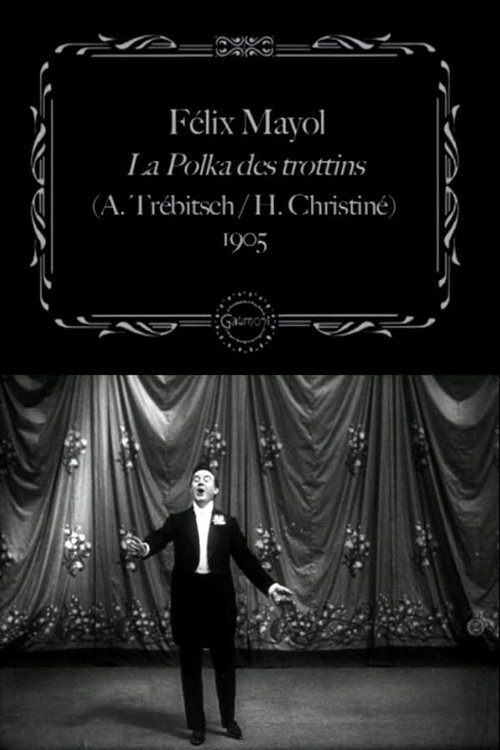
1905
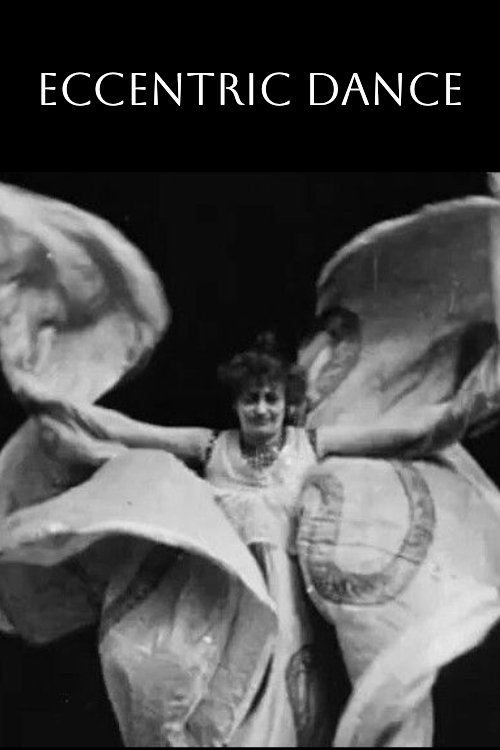
1902
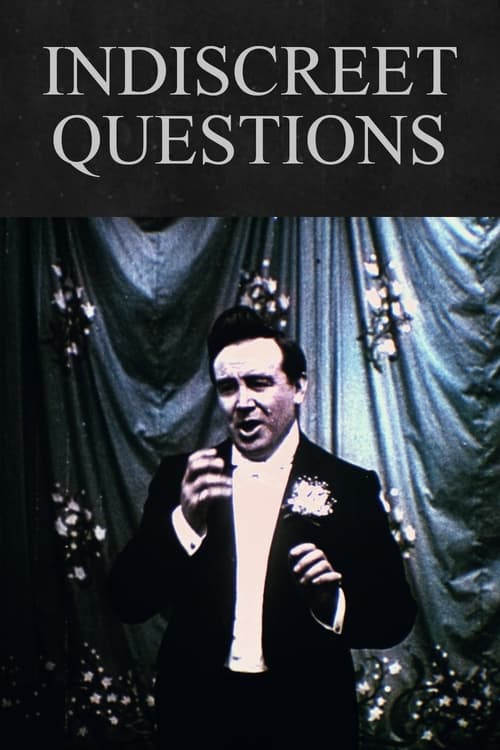
1905
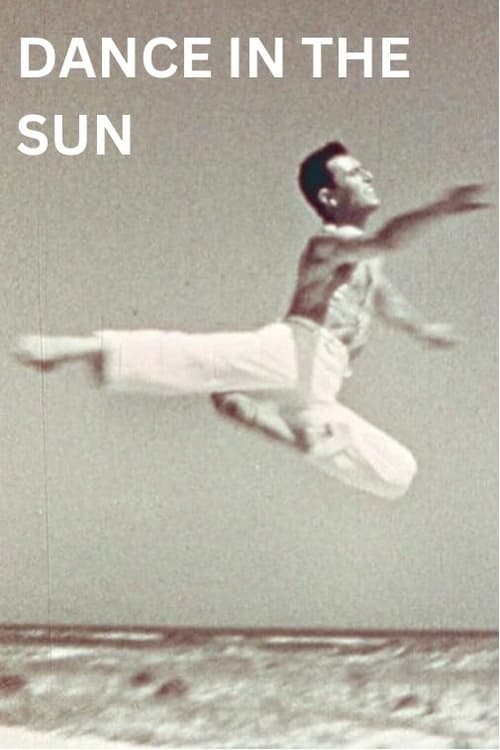
1953
1907
No reviews yet. Be the first to share your thoughts on this movie!
Use the rating form above to leave a star rating and optional review.