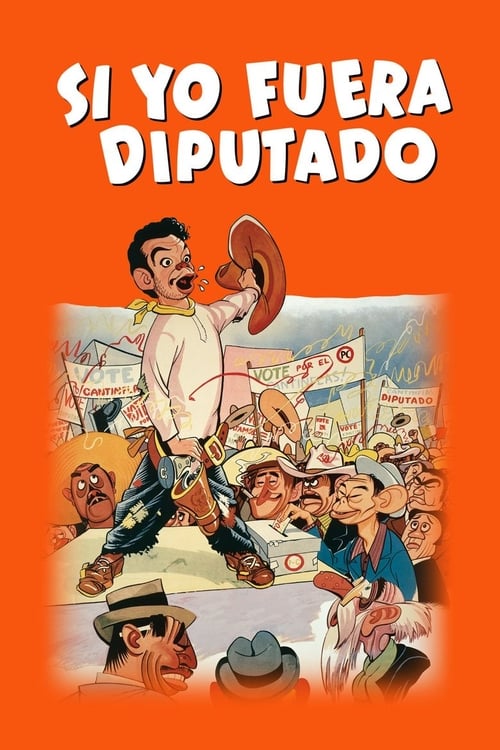
Si yo fuera diputado
1952
No user ratings available yet
Diversity score: 4.4 out of 10
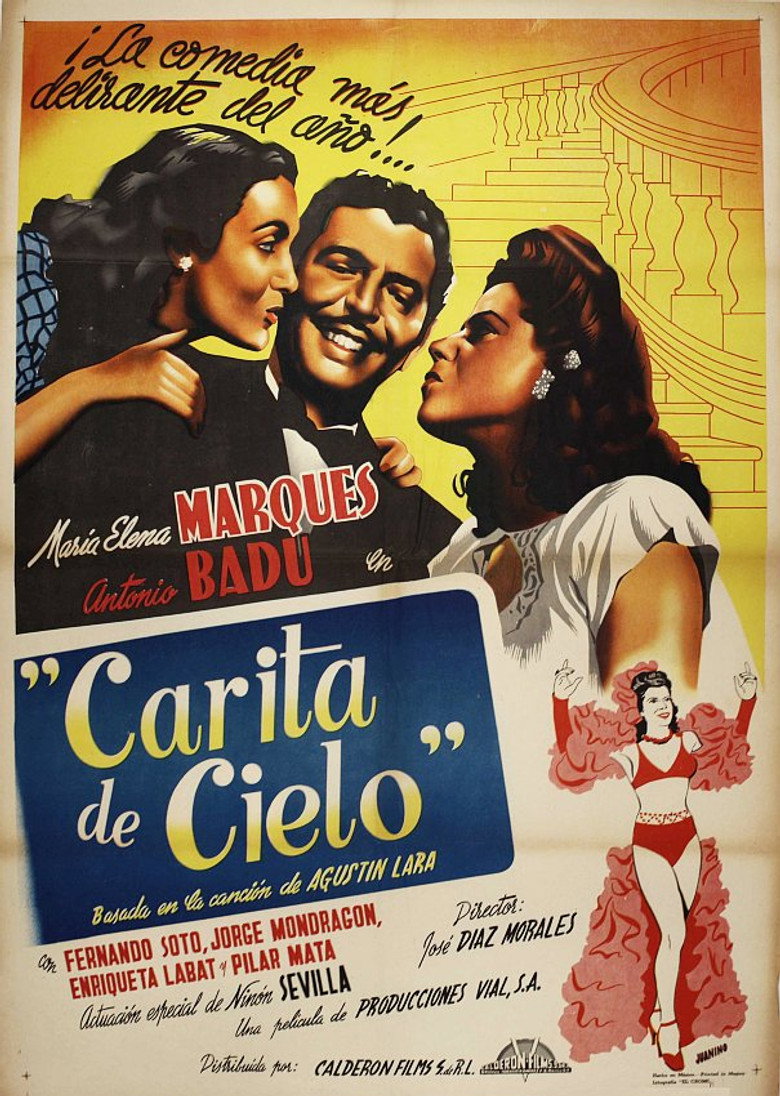
1947
Director
José Díaz Morales
Runtime
72 minutes
Average Rating
No ratings yetSynopsis
A young woman is brought before a prosecutor after stealing food. She is defended by Julio, a university professor who decides to exhibit her as an example in his class on the theory of theft. Then he hires her as a housemaid. Her face and charms won’t only save her family from serious quandaries; they will also inspire the professor’s love.
Overall Score
Fair
Category Breakdown
LGBTQ+ Representation
The film lacks LGBTQ+ characters or narratives that challenge heteronormativity. The plot centers entirely on a romantic trajectory between the female lead and the male professor.
Gender Representation
The protagonist's agency is tied to her beauty, using charms to navigate social crises. While the professor's pedagogical interest adds complexity, it reinforces a hierarchy of intellect over survival.
Racial & Ethnic Diversity
As a Mexican production, the film centers a non-Anglo-Saxon cast and identity. It reflects the lived experience of a Latin American landscape within its era's social constraints.
Religious & Cultural Diversity
The story explores class tensions between the peasantry and the academic class. However, it favors social integration through romance rather than offering a systemic critique of class structures.
Disability Representation
There is no evidence of characters with visible or invisible disabilities within the narrative.
Strengths
Areas for Improvement
AI Analysis
Carita de cielo operates as a lyrical romantic comedy that reflects the social hierarchies of 1947. While it avoids Hollywood's historical homogeneity by centering a Mexican perspective, the narrative remains tethered to traditional tropes. The protagonist's path to stability is driven by her aesthetic appeal and romantic connection rather than systemic change. The film provides a nuanced look at survival-driven transgression, framing theft as a necessity. However, the resolution leans toward domesticity and social integration, which limits its ability to subvert the status quo. It captures a specific era of Latin American cinema without reaching modern intersectional depth.
1952

1947

1944
1953
1940
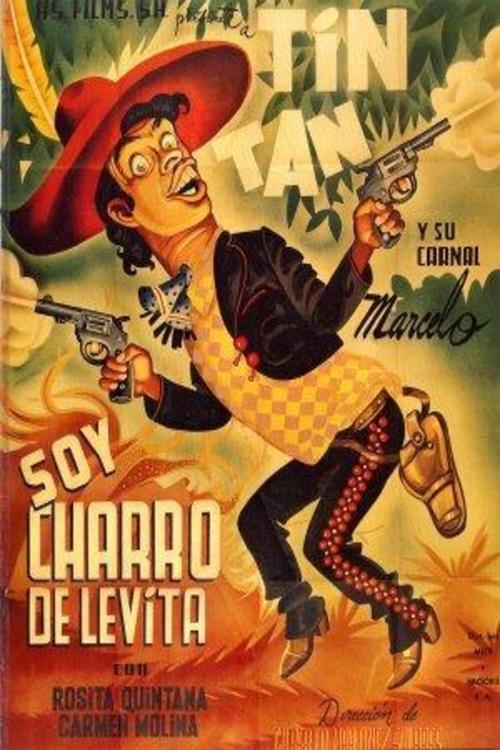
1949
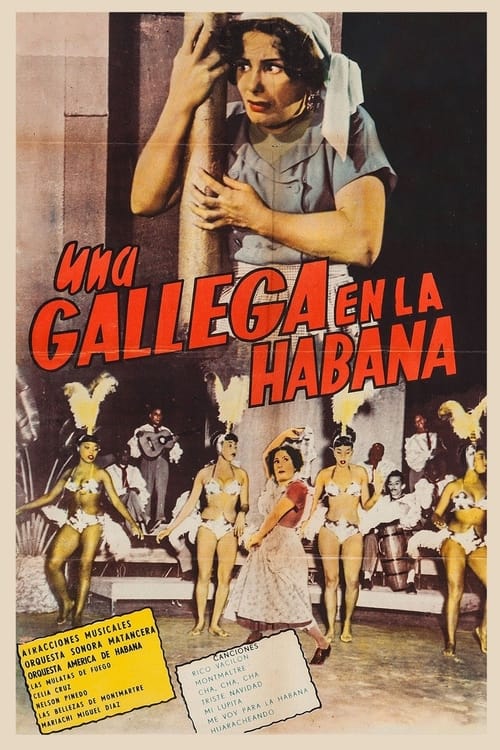
1955

1957
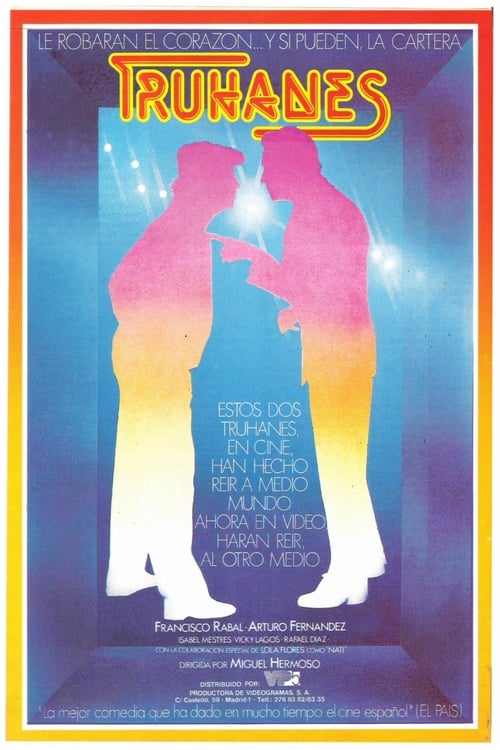
1983
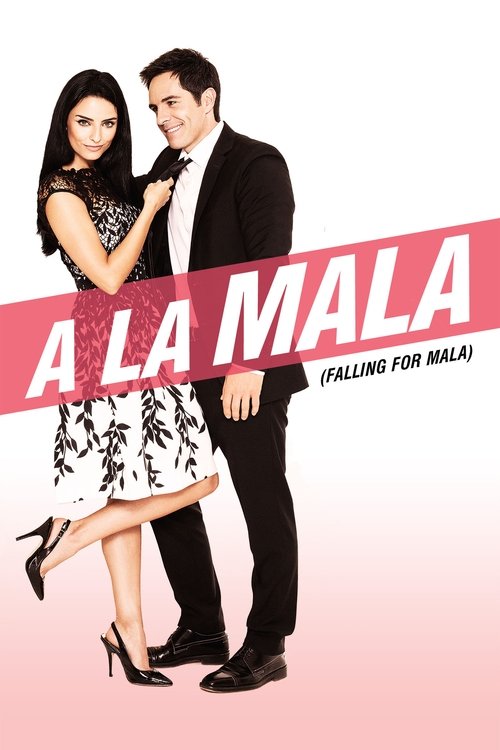
2015

1969
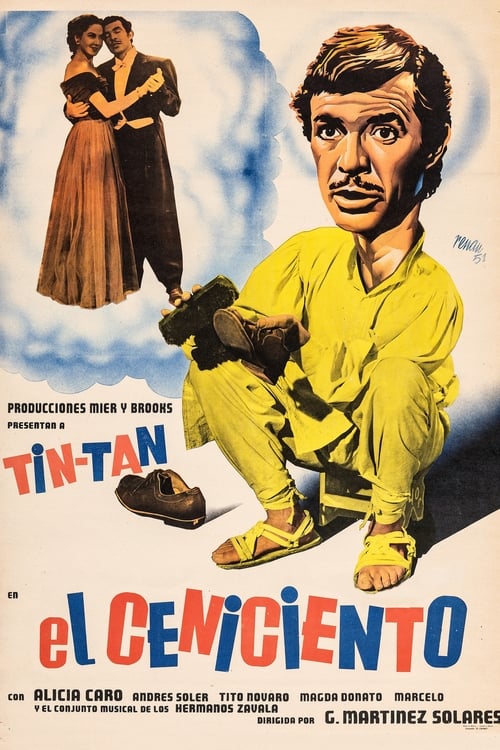
1952
No reviews yet. Be the first to share your thoughts on this movie!
Use the rating form above to leave a star rating and optional review.