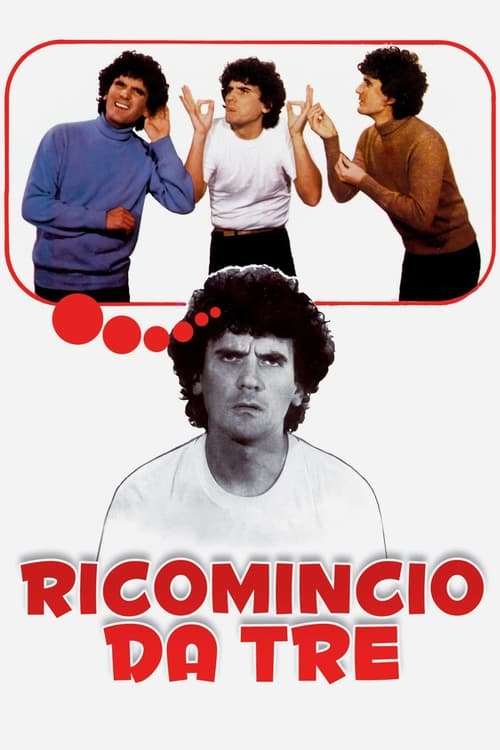
I'm Starting from Three
1981
No user ratings available yet
Representation score: 3.3 out of 10
Representation Score
Fair
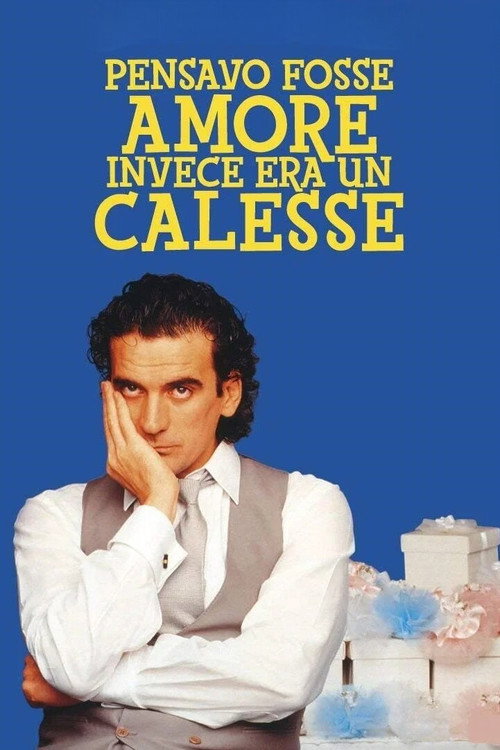
1991
Director
Massimo Troisi
Runtime
103 minutes
Average Rating
No ratings yetNew Showbiz Analysis
Massimo Troisi’s work offers a nuanced character study that prioritizes emotional complexity over grand, heroic archetypes. By focusing on human frailty and social awkwardness, the film moves away from traditional romantic conquests. However, the film lacks significant markers of diverse representation. It remains rooted in a specific era and cultural setting that lacks multi-ethnic or LGBTQ+-centric representation. Ultimately, the film's strength lies in its psychological depth and its willingness to dismantle idealized social roles, even if it does not address a broad spectrum of identities.
Category Breakdown
The film centers on the pursuit of a specific romantic interest, Cecilia, but does not include explicit LGBTQ+ narratives or non-cisgender gender identities.
The story challenges traditional romantic clichés by highlighting male vulnerability and emotional ineptitude, rather than typical masculine dominance.
The film reflects the demographic homogeneity typical of early 1990s Italian cinema, operating within a conventional Western European social framework without multi-ethnic casting.
The narrative questions the sanctity of romantic unions, favoring a skeptical, postmodern view of social constructs over traditional romantic ideals.
There is no discernible evidence of the portrayal of physical or neurodivergent disabilities within the narrative.
Present on Screen
Limited or Absent
Official Synopsis
Tommaso goes incredible lengths to win back the love of his former girlfriend Cecilia, but sometimes things change in the most unexpected way.
1981

2004
1985

1997

2001

1991
1990

1997
No reviews yet. Be the first to share your thoughts on this movie!
Use the rating form above to leave a star rating and optional review.