Le finte bionde
1989
No user ratings available yet
Representation score: 2.4 out of 10
Representation Score
Minimal
1985
Director
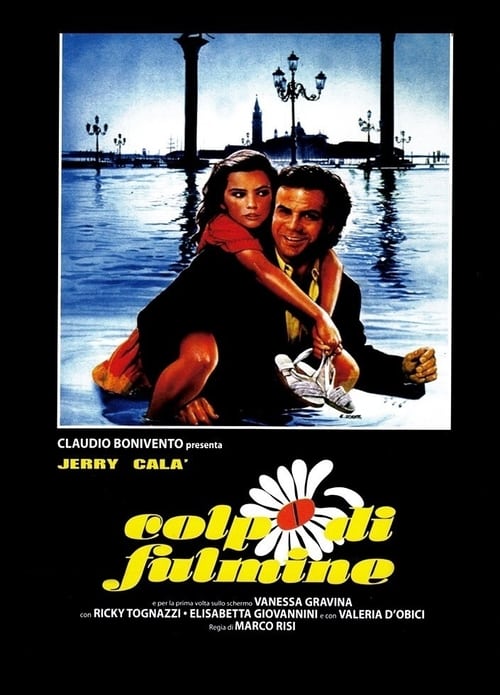
Marco Risi
Runtime
92 minutes
Average Rating
No ratings yetNew Showbiz Analysis
Colpo di fulmine is a character-driven exploration of personal struggles set within a conventional social context. It relies on mid-1980s European comedy clichés that emphasize personal existential crises over identity-based or systemic issues. The narrative centers on a man-child's journey, focusing on traditional masculinity and the male experience. This approach limits the film's engagement with broader social or multi-layered themes. Overall, the film reflects the demographic and social norms of its time and place, offering limited diverse representation or institutional critique.
Category Breakdown
The film follows a traditional framework that assumes everyone is straight and cisgender. There are no LGBTQ+ characters or non-cisgender identities in the story.
The story focuses on a male protagonist's journey, emphasizing traditional masculinity. Female characters have their own choices but the story primarily revolves around the male experience.
The cast and setting reflect the ethnic homogeneity typical of 1980s Italy. There are no diverse racial representations in the film.
The film examines personal failures and economic struggles within traditional societal structures. It does not delve into broader systemic issues or critiques.
There is no mention of characters dealing with physical, sensory, or neurodivergent disabilities in the film.
Present on Screen
Limited or Absent
Official Synopsis
Carlo, a thirty-something man-child, platonically falls in love with eleven-year-old Giulia.
1989

1975
1991
1988
2001
1981
1983
1985
No reviews yet. Be the first to share your thoughts on this movie!
Use the rating form above to leave a star rating and optional review.