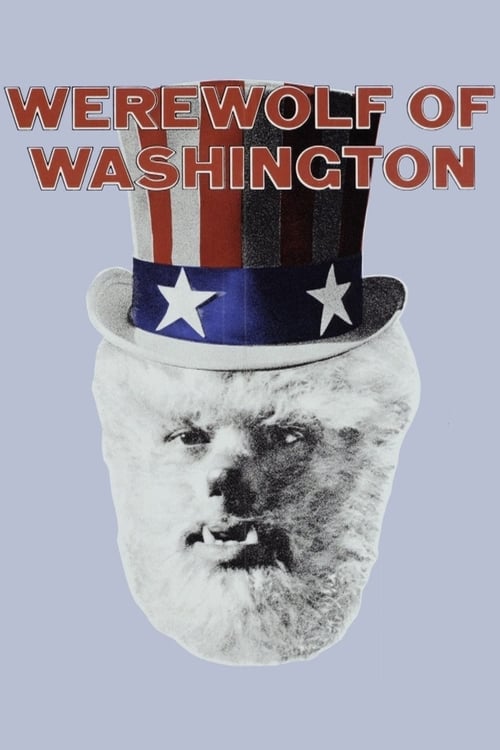
The Werewolf of Washington
1973
No user ratings available yet
Diversity score: 4.6 out of 10
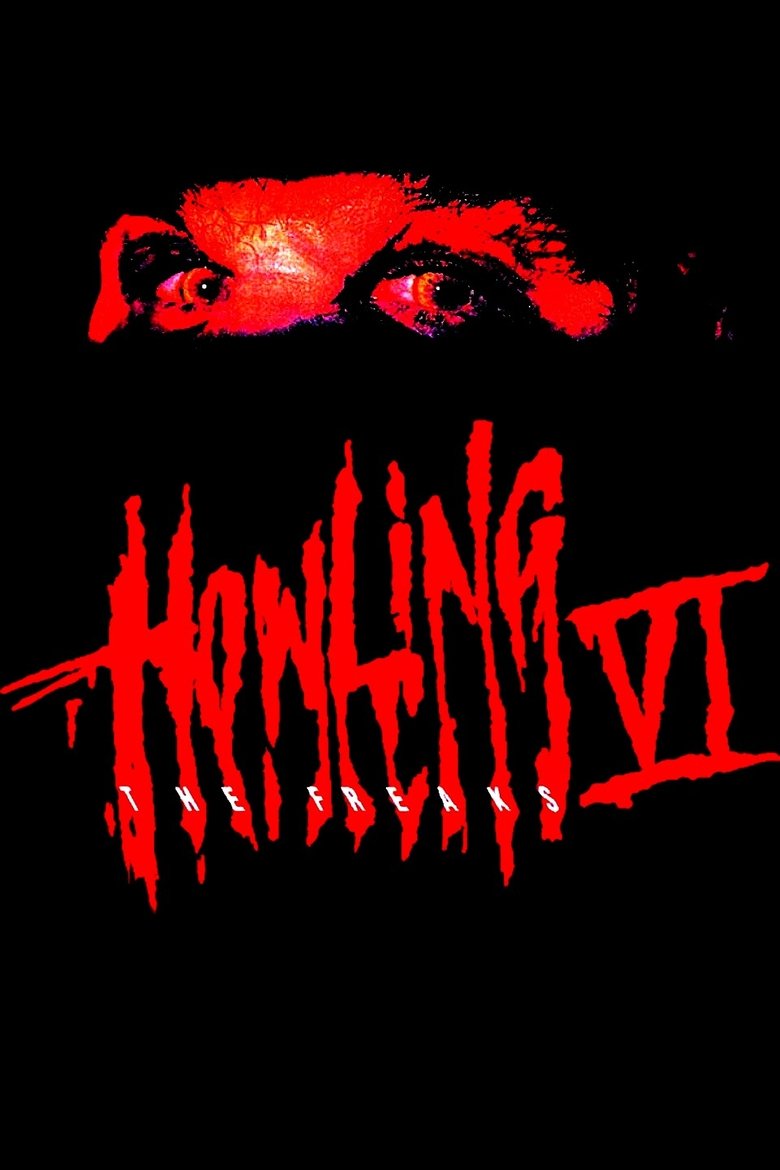
1991
RDirector
Hope Perello
Runtime
102 minutes
Average Rating
No ratings yetSynopsis
A villainous carnival owner traps a young werewolf to include in his growing menagerie of inhuman exhibits.
Overall Score
Good
Category Breakdown
LGBTQ+ Representation
The film disrupts heteronormative structures through Carl/Carlotta, a transsexual lounge singer. This character's romantic partnership with Toones moves beyond tokenism, integrating non-cisnormative identities into the social fabric.
Gender Representation
While the central romance follows traditional male-female attraction, the supporting cast challenges gendered expectations. Carl/Carlotta provides a significant subversion of the gender binary within the narrative.
Racial & Ethnic Diversity
The cast includes ethnic diversity through actors like Antonio Fargas and Gary Carlos Cervantes. The film focuses more on supernatural otherness than explicit racial politics.
Religious & Cultural Diversity
The narrative critiques Western institutions by framing the freakshow as a site of community. It contrasts the lived experiences of outcasts against the religious authority of the local pastor.
Disability Representation
The film excels by granting agency to characters with physical differences. Toones and Winston are central to the exploration of identity rather than being mere plot devices.
Strengths
Areas for Improvement
AI Analysis
Howling VI: The Freaks utilizes the horror genre to examine the boundaries of identity and social acceptance. It centers characters who exist on the margins of biological and social norms, effectively challenging traditional hierarchies. The film's strength lies in its inclusive character building, particularly regarding LGBTQ+ and disability representation. By framing the 'monstrous' as a source of complex humanity, it transcends the typical limitations of 1990s direct-to-video cinema. However, the film remains somewhat tethered to traditional archetypes in its primary romantic plot. While the supporting cast is subversive, the central drivers follow more conventional gendered patterns.
1973
1970
1989
2017

1988
1972
2019
2019
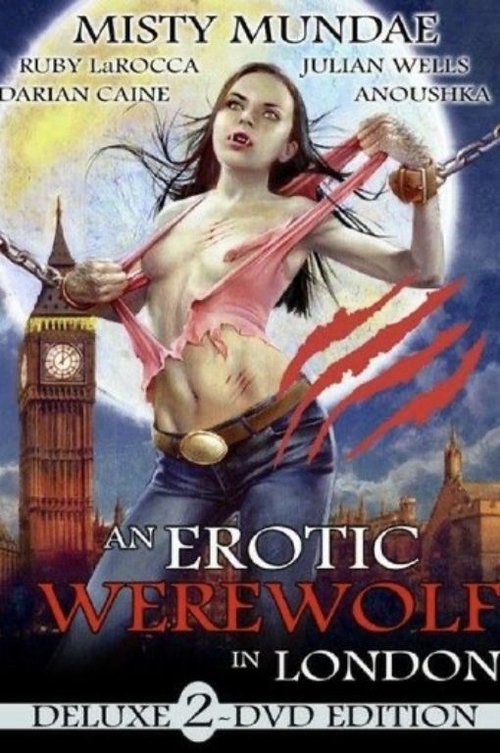
2006
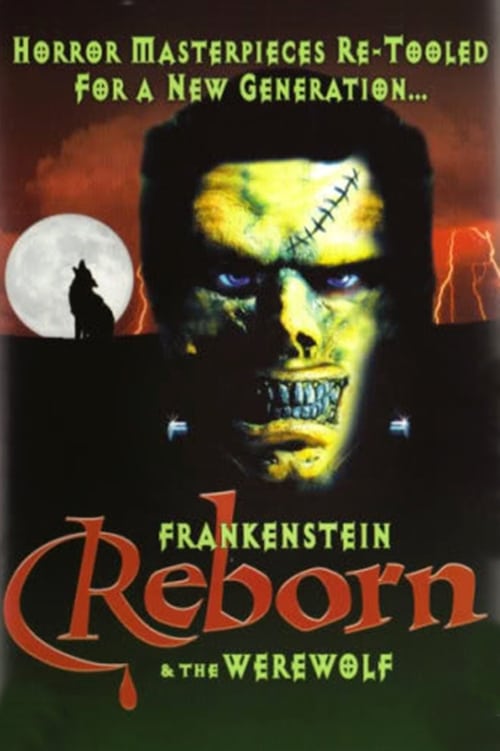
2005
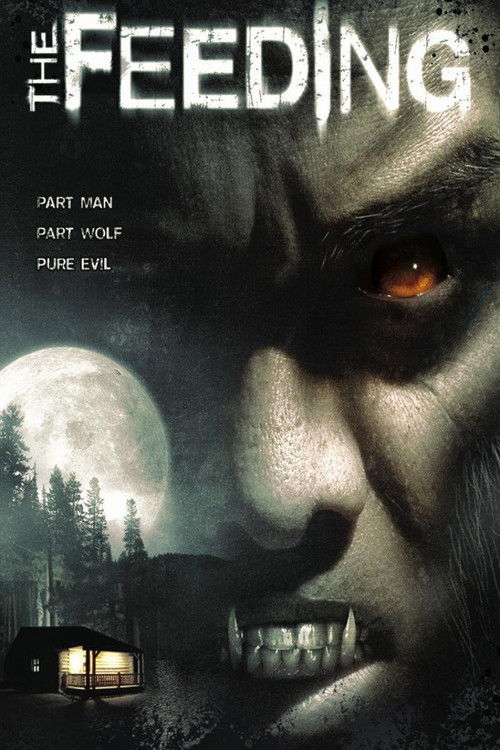
2006
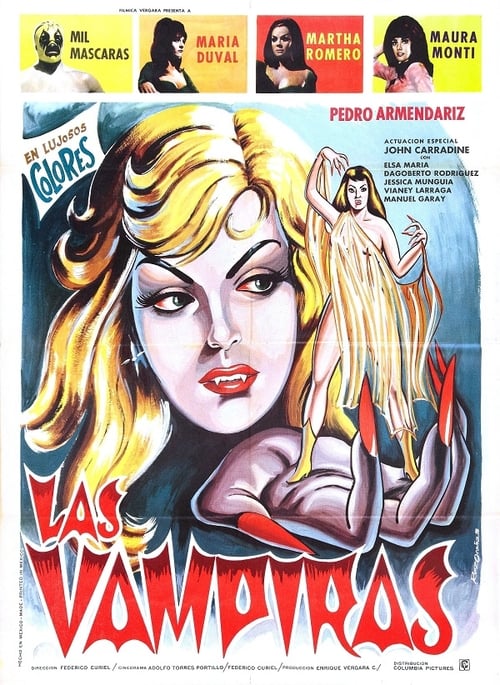
1969
No reviews yet. Be the first to share your thoughts on this movie!
Use the rating form above to leave a star rating and optional review.