Vampegeddon
2010
No user ratings available yet
Diversity score: 5.7 out of 10
2006
RDirector
William Hellfire
Runtime
69 minutes
Average Rating
No ratings yetSynopsis
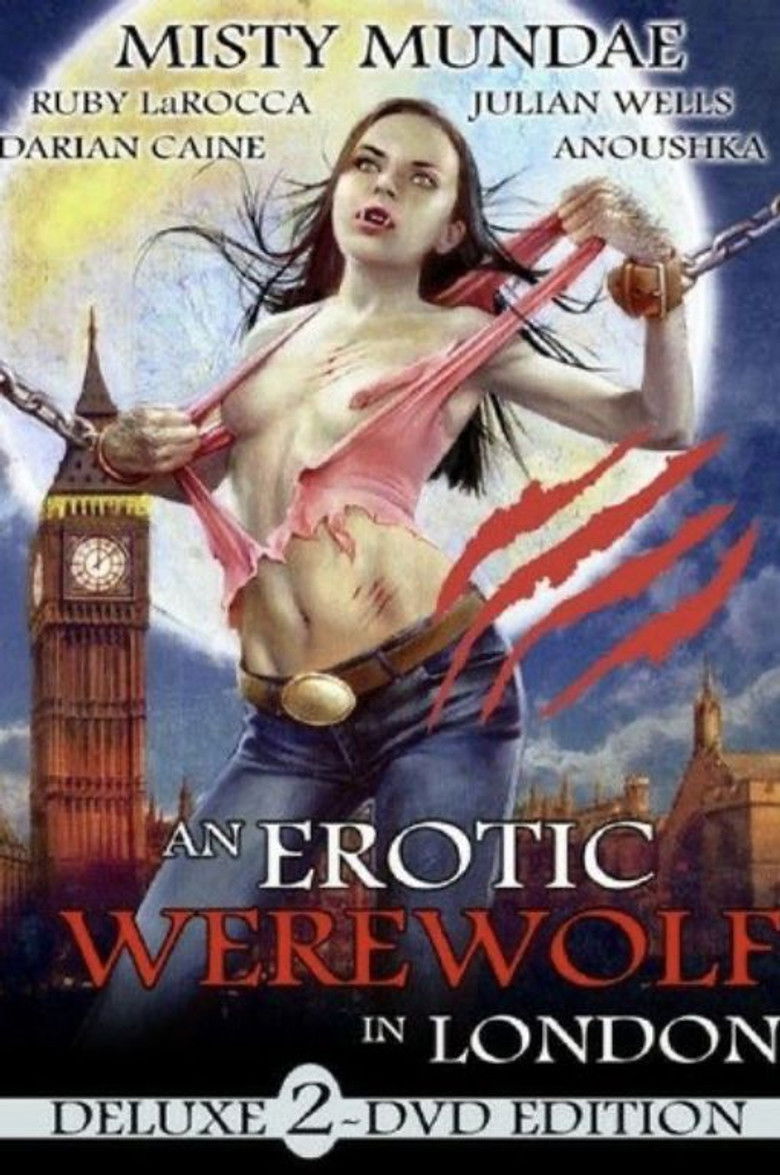
Misty and Ruby are a couple who run a lesbian bar in New Jersey when their lives change one night with the arrival of a seductive woman (Anoushka) who bites Misty, thus starting her slow transformation into a werewolf. Anoushka the werewolf returns to her home in London, England where she gives an interview to a young reporter about her life as a werewolf, while back in America, Misty undergoes a slow transformation into a werewolf herself which may lead to danger for Ruby, and any other woman involved.
Overall Score
Fair
Category Breakdown
LGBTQ+ Representation
The film centers on Misty and Ruby, a lesbian couple running a lesbian bar. This integration of queer identity into the setting provides a foundation of queer agency.
Gender Representation
Female-driven spaces and interpersonal dynamics drive the plot. The supernatural transformation acts as a catalyst for female autonomy rather than patriarchal subjugation.
Racial & Ethnic Diversity
The film's racial diversity is not explicitly detailed. While the setting shifts between New Jersey and London, there is no evidence of a non-Anglo-Saxon majority.
Religious & Cultural Diversity
The narrative uses a subjective moral framework, presenting the werewolf through a nuanced interview process. It prioritizes individual experience over traditional communal morality.
Disability Representation
There is no explicit evidence of neurodivergence or recognized disability. The werewolf transformation is treated as a genre element rather than a depiction of lived disability.
Strengths
Areas for Improvement
AI Analysis
An Erotic Werewolf in London distinguishes itself by centering its narrative on queer agency and female-driven spaces. By placing the protagonists in a lesbian bar, the film integrates non-heteronormative identities into the core setting rather than using them as mere cameos. The film subverts traditional horror tropes by using the werewolf transformation as a tool for female autonomy. This shift moves the focus away from patriarchal control and toward a postmodern exploration of identity and bodily change. However, the film lacks verifiable data regarding racial and ethnic diversity. While the trans-Atlantic setting offers potential for cultural blending, the ensemble's composition remains largely unconfirmed.
2010
1976
1971
2014
1971

2006

2017
2015
2009
2009
1973
2004
No reviews yet. Be the first to share your thoughts on this movie!
Use the rating form above to leave a star rating and optional review.