
Cry of the Werewolf
1944
No user ratings available yet
Diversity score: 3.0 out of 10

1973
PGDirector
Milton Moses Ginsberg
Runtime
90 minutes
Average Rating
No ratings yetSynopsis
After being unknowingly inflicted with the bite of a werewolf while on a visit to Europe, White House press secretary Jack Whittier begins to turn into a deadly beast by night, terrorizing Washington D.C. and presenting a very deadly threat to the President.
Overall Score
Fair
Category Breakdown
LGBTQ+ Representation
The film lacks explicit depictions of LGBTQ+ identities or non-heteronormative relationships. The narrative focuses strictly on the protagonist's biological and political crisis.
Gender Representation
The story centers on a male experience of political crisis and physical transformation. It follows conventional 1970s masculine-led thriller tropes without subverting traditional gender hierarchies.
Racial & Ethnic Diversity
The setting suggests a focus on the established Anglo-Saxon political class of 1973. There is little evidence of intersectional casting or racial complexity within this institutional setting.
Religious & Cultural Diversity
The film offers a sophisticated critique of Western institutional stability. It uses horror as a metaphor to challenge the perceived sanctity and infallibility of the American presidency.
Disability Representation
The werewolf transformation serves as a metaphor for involuntary affliction. However, it functions as a horror plot device rather than a nuanced exploration of chronic illness or agency.
Strengths
Areas for Improvement
AI Analysis
The film excels as a political allegory, using genre tropes to deconstruct the stability of Western power structures. It effectively uses the horror of transformation to critique institutional integrity. However, the work lacks demographic breadth. The narrative is heavily centered on a singular male protagonist within a traditionally homogeneous political environment, offering minimal representation of diverse identities. Ultimately, the film prioritizes thematic sophistication over social inclusivity, reflecting the era's focus on institutional skepticism rather than intersectional storytelling.
1944

2017
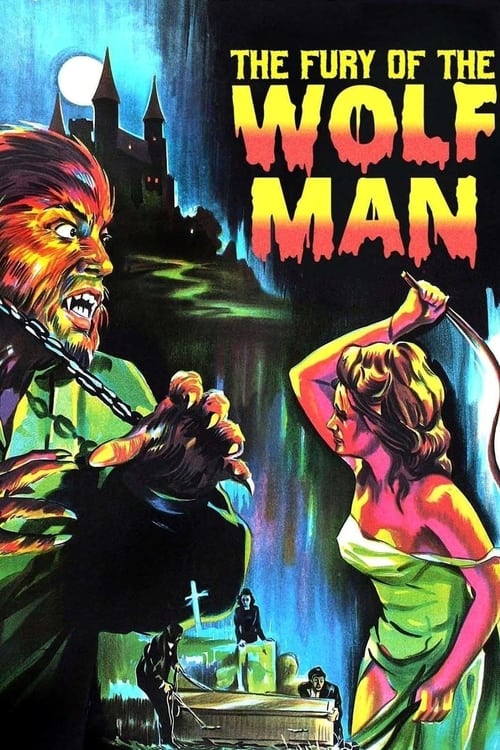
1972
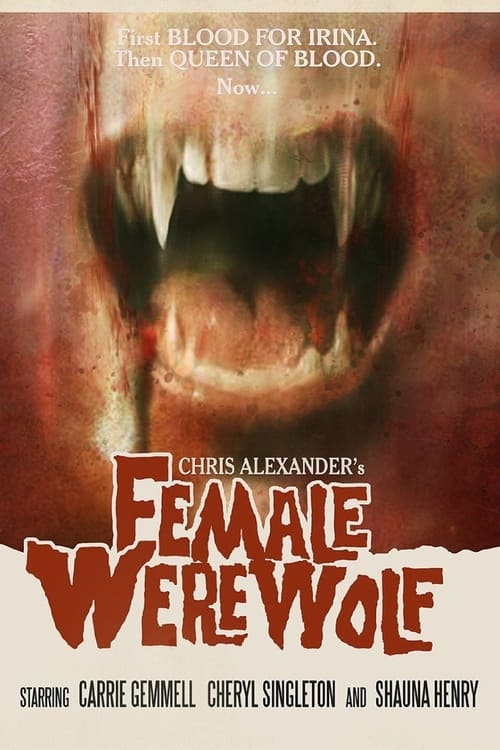
2015
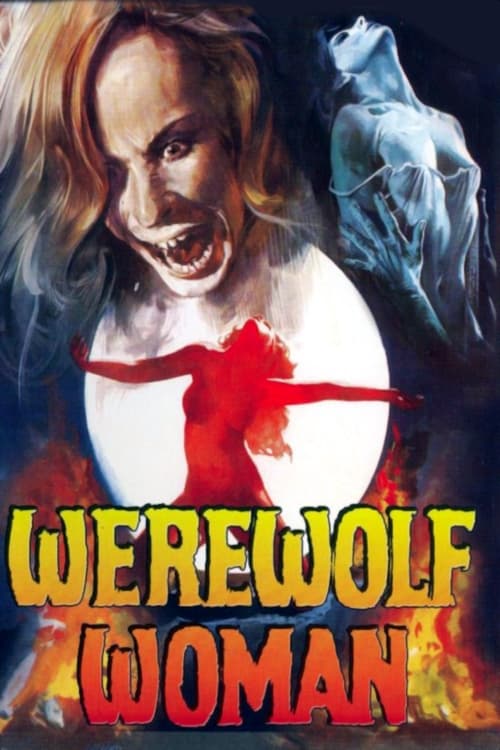
1976
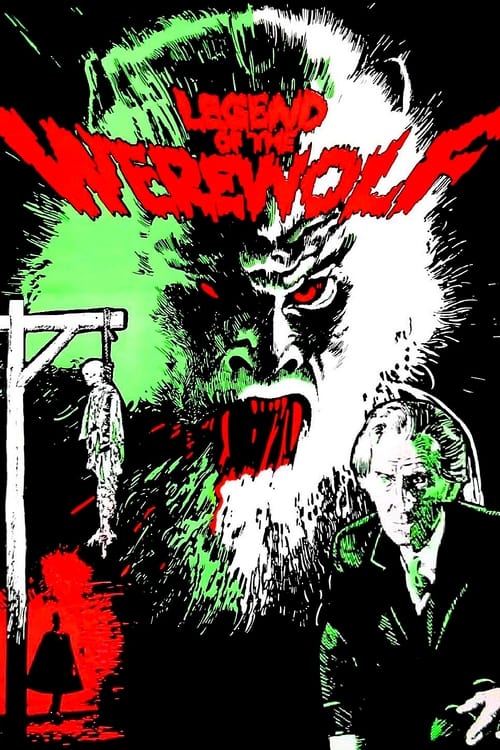
1975

2006
1980
2008
2005

1996

1995
No reviews yet. Be the first to share your thoughts on this movie!
Use the rating form above to leave a star rating and optional review.