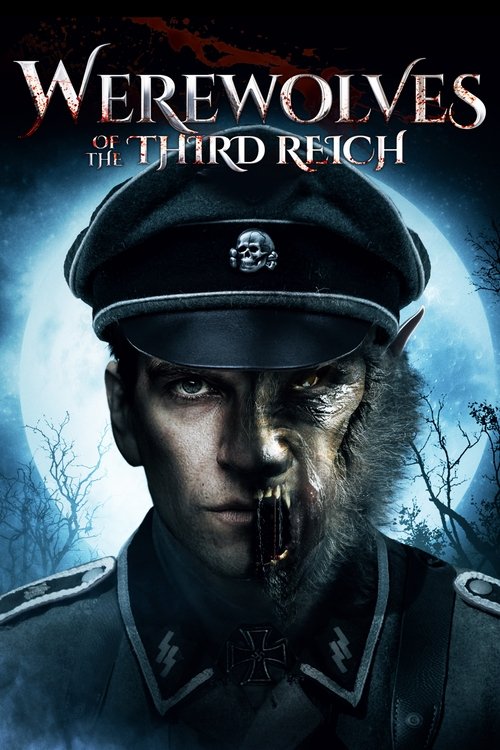
Werewolves of the Third Reich
2018
No user ratings available yet
Representation score: 0.5 out of 10
Representation Score
Fair
2019
Director
Adrian Panek
Runtime
88 minutes
Average Rating
No ratings yetNew Showbiz Analysis
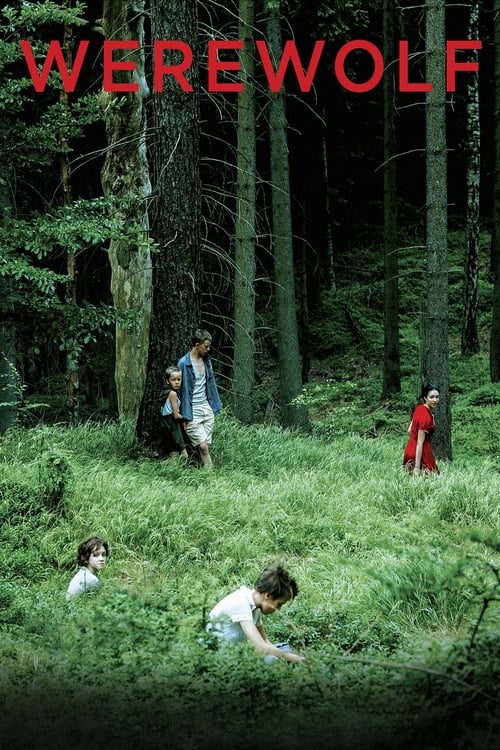
Werewolf is a specialized historical horror film that prioritizes the exploration of trauma over demographic breadth. It uses the aftermath of the Gross-Rosen camp to examine the psychological remnants of systemic violence. The film succeeds in portraying the competence of female survivors and the profound impact of psychological impairment. However, it lacks intentional multi-layered casting or LGBTQ+ representation, remaining confined to a specific historical demographic. Ultimately, the narrative deconstructs the myth of post-war stability, focusing instead on the fragility of human institutions and the enduring impact of oppression on the individual psyche.
Category Breakdown
The film focuses on Holocaust survivors in 1945 and does not include any LGBTQ+ characters or narratives exploring non-straight relationships.
Hanka provides a strong female presence as the guardian and protector of the children. She demonstrates a significant role in driving the story and intellectual authority while navigating the high-stakes survival scenario.
Set in post-WWII Poland, the cast is a homogenous group of Polish survivors. The narrative focuses on historical accuracy rather than ethnic diversity.
The story critiques the failure of traditional institutions and state protection. It uses the breakdown of social order to explore the volatility of established power structures.
The film offers a nuanced look at invisible disabilities through the lens of PTSD. It portrays the psychological scarring and survival instincts of camp survivors as neurobiological responses.
Present on Screen
Limited or Absent
Official Synopsis
Summer of 1945. A temporary orphanage is established in an abandoned palace surrounded by forests for the eight children liberated from the Gross-Rosen camp. Hanka, also a former inmate, becomes their guardian. After the atrocities of the camp, the protagonists slowly begin to regain what is left of their childhood but the horror returns quickly. Camp Alsatians roam the forests around. Released by the SS earlier on, they have gone feral and are starving. Looking for food they besiege the palace. The children are terrified and their camp survival instinct is triggered.
2018
2015
2013
2018
1972

1999
2013

2020
No reviews yet. Be the first to share your thoughts on this movie!
Use the rating form above to leave a star rating and optional review.