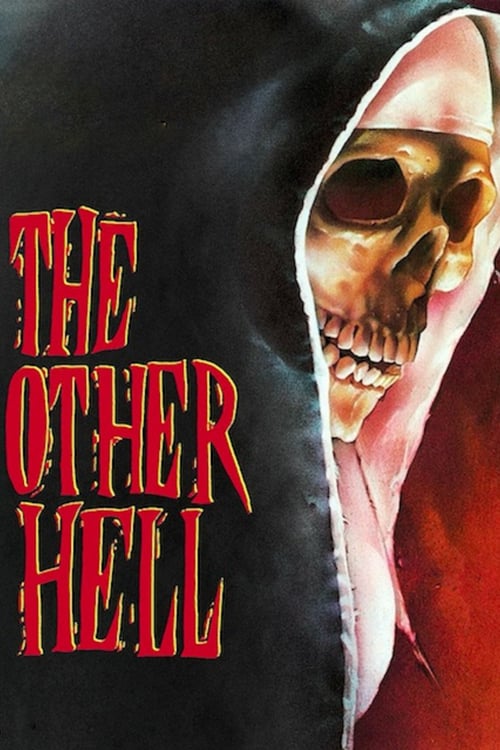
The Other Hell
1981
No user ratings available yet
Representation score: 1.8 out of 10
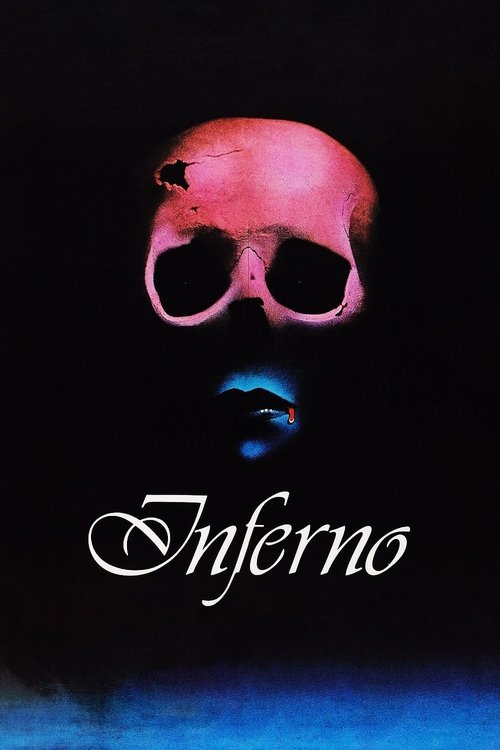
Representation Score
Fair
1980
RDirector
Dario Argento
Runtime
107 minutes
Average Rating
No ratings yetNew Showbiz Analysis
Dario Argento’s *Inferno* is a postmodern surrealist work that prioritizes sensory aesthetics and psychological fragmentation over sociopolitical commentary. The film functions as a landmark of the *giallo* genre, yet its focus on the dissolution of reality limits its engagement with systemic identity politics. While the film centers a female protagonist, it remains largely homogeneous in its racial and sexual representation. The narrative explores the instability of perception and the failure of institutional authority, but it does so through a metaphysical lens rather than a social one.
Category Breakdown
The film does not explicitly depict LGBTQ+ identities. Character interactions focus on psychological tension rather than sexual orientation or gender identity.
Marcella serves as a female protagonist navigating a male-dominated academic environment. Her role is defined by psychological resilience in the face of unfolding chaos.
Casting is predominantly white, reflecting a European academic setting. The narrative maintains a relatively homogeneous demographic profile without intentional racial blending.
The story explores the failure of traditional authority figures and institutional stability. It focuses on metaphysical and aesthetic themes rather than political frameworks.
Themes of neurodivergence and psychological instability are framed through supernatural horror. The film uses clichés of madness rather than depicting lived experiences of disability.
Present on Screen
Limited or Absent
Official Synopsis
A young man returns from Rome to his sister's satanic New York apartment house.
1981
1970
1988
1977
1978

1977
1991
1976
No reviews yet. Be the first to share your thoughts on this movie!
Use the rating form above to leave a star rating and optional review.