
The Courtyard of the Ballads
1942
No user ratings available yet
Representation score: 2.0 out of 10
Representation Score
Limited
1939
Director
Chianca de Garcia
Runtime
92 minutes
Average Rating
No ratings yetNew Showbiz Analysis
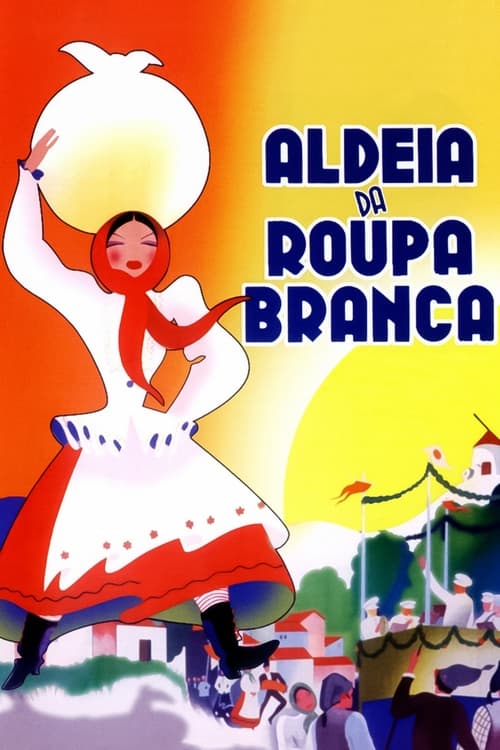
The Village of White Clothes is a conventional musical comedy that follows the social and romantic clichés of the late 1930s. While the female protagonist demonstrates initiative in addressing economic issues, the film remains anchored in traditional gender roles and straight-centered romance. The narrative lacks complexity in addressing multiple aspects of identity or systemic issues. It serves as a period piece centered on family and community stability, reflecting the norms of its time without challenging them.
Category Breakdown
The story focuses on a heterosexual relationship between Gracinda and her cousin, Chico. There is no indication of LGBTQ+ identities or any critique of the assumption that everyone is straight or cisgender.
Gracinda drives the plot by trying to solve her family's financial problems. However, her role is limited to traditional feminine tasks like being a laundress, which fits within existing gender roles.
The film does not provide specific information about ethnic makeup. Considering its 1939 production, the cast likely reflects the homogeneous standards of that era.
The film highlights traditional themes such as family, work, and community stability. It focuses on maintaining a village business without challenging social or capitalist systems.
The synopsis does not mention any characters with visible or invisible disabilities.
Present on Screen
Limited or Absent
Official Synopsis
Gracinda is a young laundress who works with Uncle Jacinto, but life hasn't been going well for them. Therefore, she decides to go to the city to convince Chico, her cousin with whom she has fallen in love, to return to the village to help on the business...
1942

1962

1964

1938
1963
1954

1998

1941
No reviews yet. Be the first to share your thoughts on this movie!
Use the rating form above to leave a star rating and optional review.