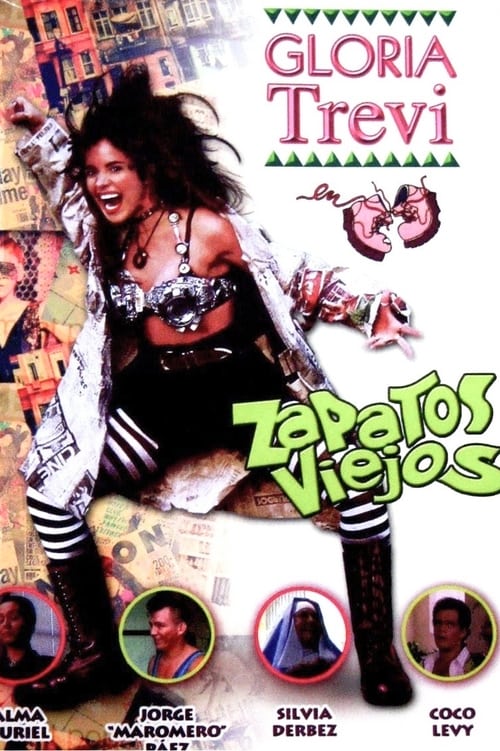
Zapatos viejos
1993
No user ratings available yet
Representation score: 7.2 out of 10

Representation Score
Limited
1998
Director
Conrado Sanchez
Runtime
85 minutes
Average Rating
No ratings yetNew Showbiz Analysis
Cinderella Baiana is a story of social mobility and vocational discovery set against the cultural backdrop of Salvador, Brazil. It follows a traditional trajectory of moving from a disadvantaged economic state to urban success. The film's strength lies in its cultural specificity and the challenge to the typical rags-to-riches narrative. Instead of focusing solely on personal accumulation, the protagonist remains committed to her communal roots. However, the film lacks explicit representation of LGBTQ+ identities or disabilities. While it centers women's ability to drive the story, there is no documented history of systemic subversion.
Category Breakdown
The film focuses on a family unit and the protagonist's romantic or career journey. There is no depiction of non-binary gender identities or same-sex relationships.
Carla shows a significant role in driving the story, evolving from providing small services to becoming a successful professional dancer. Her journey emphasizes professional mastery and community leadership over traditional domestic roles.
Set in Salvador, the film highlights Afro-Brazilian identity through the protagonist's connection to her origins. The cultural aesthetics of Bahia shape the story.
The story explores the tension between urban capitalism and communal responsibility. Carla’s choice to teach local children reflects a preference for social utility over individual success.
The film does not include characters dealing with physical, sensory, or neurodivergent conditions.
Present on Screen
Limited or Absent
Official Synopsis
A poor family, lives in a city near Salvador. The father is cleaner and, mother and daughter help making small services. Until they decide to try the luck in the big city and the father, João, get a job near Pelourinho, next to a dance academy. The daughter, Carla, in contacting music, discovers her true vocation and becomes a very successful dancer. But she does not let himself take away from fame and back to his origins, meets with poor children and teaches them to dance.
1993

1999
2001
2005

2018

2008

2019

2006
No reviews yet. Be the first to share your thoughts on this movie!
Use the rating form above to leave a star rating and optional review.