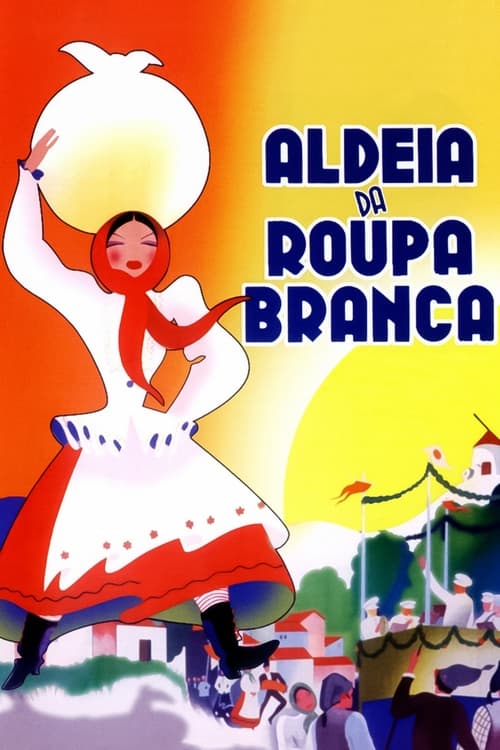
Aldeia da Roupa Branca
1939
No user ratings available yet
Representation score: 2.5 out of 10
Representation Score
Limited
1942
Director
Francisco Ribeiro
Runtime
125 minutes
Average Rating
No ratings yetNew Showbiz Analysis
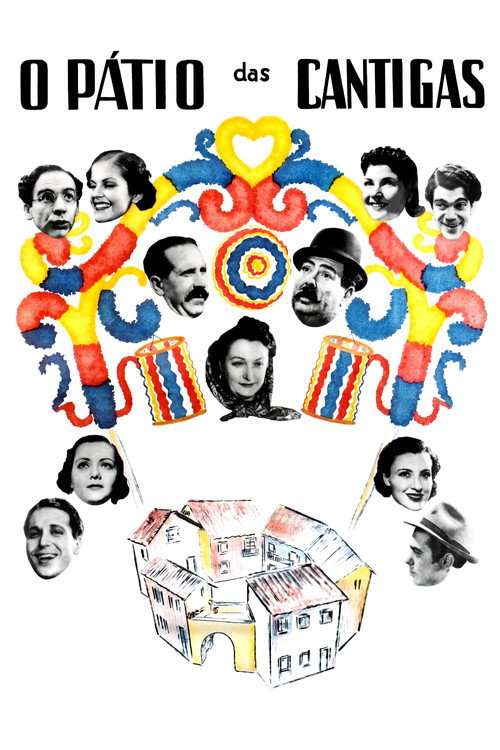
The Courtyard of the Ballads serves as a cultural artifact reflecting the social hierarchies of 1940s Lisbon. Its storytelling adheres to the conventional cinematic standards of its era, emphasizing communal cohesion and traditional neighborhood dynamics. The film lacks complexity in representing multiple aspects of identity, reinforcing rather than challenging existing social norms. It presents a traditional view of localized life.
Category Breakdown
The film does not depict any characters with non-binary genders or same-sex relationships. It portrays traditional romantic relationships within a society that assumes everyone is straight and cisgender.
The comedy seems to rely on established gender roles and stereotypes. There is no indication that the film challenges traditional gender roles or domestic hierarchies.
The Lisbon courtyard setting suggests a uniform demographic. The cast appears to reflect the typical social composition of the time without much ethnic diversity.
Themes of friendship and rivalry highlight the stability of the community and local customs. The story emphasizes neighborhood morality without critiquing social or religious institutions.
There is no mention of characters dealing with physical, sensory, or neurodivergent conditions within the narrative.
Present on Screen
Limited or Absent
Official Synopsis
A portrait of the relations between neighbours in a Lisbon courtyard. A story made of small episodes of humour, friendship, rivalry, love.
1939

2007
1967

2013
1961

2015

1964
1945
No reviews yet. Be the first to share your thoughts on this movie!
Use the rating form above to leave a star rating and optional review.