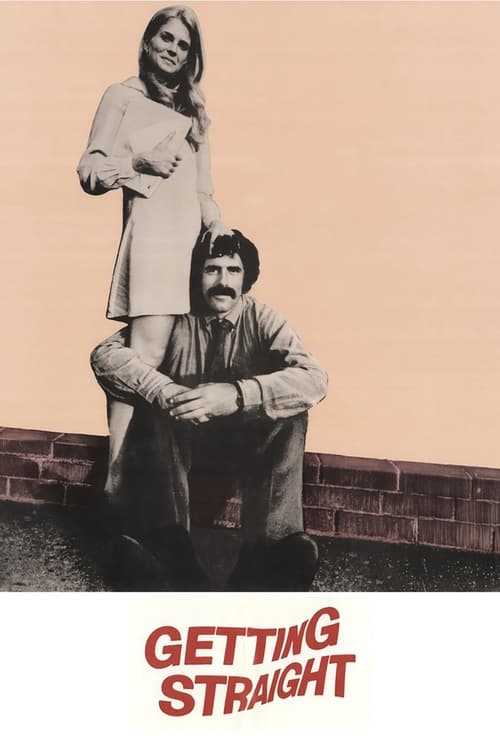
Getting Straight
1970
No user ratings available yet
Representation score: 6.4 out of 10
Representation Score
Limited
1970
RDirector
John Dexter
Runtime
106 minutes
Average Rating
No ratings yetNew Showbiz Analysis
The film opens on the close-up of a pigeon’s eye, a small, unassuming creature that becomes the lens through which Jonathan’s disillusionment is viewed. This image sets the tone for a comedy that is less about laughs and more about the quiet despair of a young man who has rejected the American dream of corporate success. Jonathan, a Princeton graduate, drives a cab in Manhattan, insulting passengers and kicking pigeons as a way to express his disgust with a world he finds hollow. The sold meaning is one of melancholy: the "pigeon kicker" is not a gangster but a lonely man who kicks pigeons to feel something, and the "tough lady" is not a villain but a woman who has learned to survive alone. The film’s argument is that connection is more important than conformity, but its internal logic pulls against this. Jonathan’s rejection of the corporate ladder is framed as a virtuous choice, yet his inability to maintain emotional detachment from Jennifer leads to his near-fatal accident. The camera lingers on Jennifer’s face when she is thoughtful and on Jonathan’s face when he is confused, treating Winslow with pity rather than fear. The parents are the running gag, their inability to communicate with their son played for gentle, awkward humor. Mildred’s complaints are the comic relief, but her nagging is a form of care, not malice. The ending is the moral verdict: Jonathan and Jennifer walking away from the house, holding hands, as the camera pulls back to reveal the empty, silent street. The ending rewards their private connection over the public chaos, suggesting that the solution to the emptiness of suburban life is not radical independence but a stable, if imperfect, domestic partnership. The film is a study of white suburban malaise, where the tension is generational and emotional, not racial or class-based. The "pigeon kicking" is a metaphor for the futility of trying to control the uncontrollable, and the film’s gentle, melancholy sermon on the human condition is ultimately a call for connection over conformity.
Category Breakdown
Oliver, a gay decorator, hosts parties and pursues male guests, normalizing queer desire within the social circle. Naomi’s nymphomaniacal behavior reduces female sexuality to a chaotic plot device. No stable same-sex couples appear; queer identity remains background texture for the protagonist.
Jonathan’s mother is possessive while his father is silent, inverting traditional patriarchal competence. Jennifer is framed as the prize validating his emotional journey. Winslow’s virginity is treated as a comedic contradiction. No woman holds final moral authority; resolution relies on Jonathan’s recovery.
The cast is entirely white, reflecting the unmarked majority of 1970s New York settings. No non-white characters appear in the primary social circle. Racial identity is not a source of conflict; tension is strictly generational and class-based.
Jonathan’s rejection of the corporate ladder frames meritocratic ambition as a hollow trap. The suburban home is a site of generational warfare and emotional stagnation. The film rewards return to stable domestic partnership rather than radical independence. No explicit religious institutions are targeted.
No characters are depicted with physical, sensory, or cognitive disabilities. Medical settings appear only during Jonathan’s post-accident recovery, treated as a temporary plot device. No disabled actors or characters challenge able-bodied norms; focus remains on emotional malaise.
Present on Screen
Limited or Absent
Official Synopsis
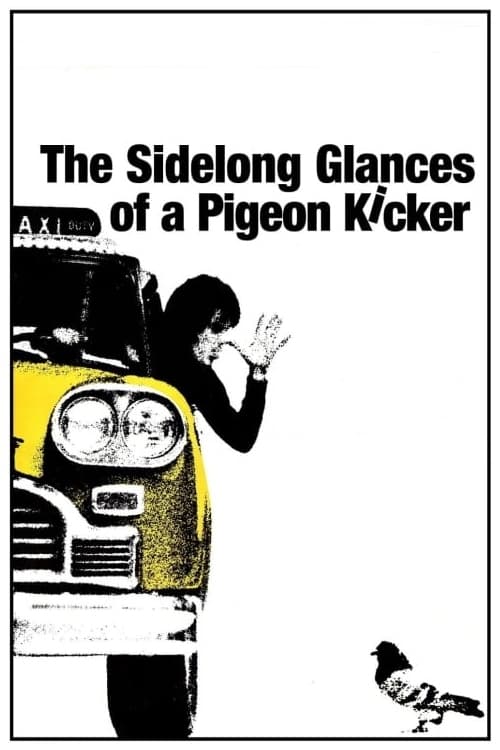
After a young man graduates from a prestigious college, he rebels by preferring a carefree existence rather than the life of fighting the rungs within the treacherous American corporate ladder. For his means of survival he becomes a New York cab driver.
1970

1963

1967
1958
1968
1977
1963

1973
No reviews yet. Be the first to share your thoughts on this movie!
Use the rating form above to leave a star rating and optional review.