
Georgy Girl
1966
No user ratings available yet
Representation score: 3.0 out of 10
Representation Score
Good
1970
RDirector
Richard Rush
Runtime
124 minutes
Average Rating
No ratings yetNew Showbiz Analysis
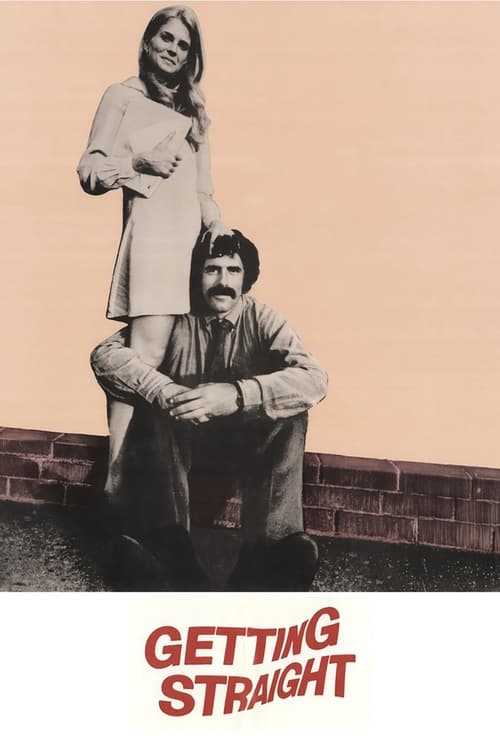
Getting Straight captures the tension of the New Hollywood era by focusing on the transition from institutional stability to individualistic, countercultural identities. The film successfully portrays women as ideological leaders rather than passive observers, reflecting the era's evolving social landscape. However, the film remains constrained by the demographic limitations of its setting. The cast lacks racial diversity, and the narrative provides minimal representation for LGBTQ+ individuals or those with disabilities. Ultimately, the film's strength lies in its cultural critique of mainstream American values. It serves more as a study of social deconstruction than a diverse portrayal of society.
Category Breakdown
The film focuses on heterosexual relationships within the counterculture movement. It does not feature any explicit LGBTQ+ characters or narratives that challenge traditional heterosexual norms.
Women such as Jan are shown as active participants in political movements rather than passive figures. However, gender dynamics are still closely tied to the era's emphasis on sexual liberation.
The cast is predominantly white, reflecting the demographics of the student movements depicted. There is a lack of significant racial diversity or intentional race-bending.
The narrative criticizes conventional middle-class stability and traditional Western institutions. It emphasizes the disruption of authority and the pursuit of non-traditional, individualistic lifestyles.
The story centers on the socioeconomic and ideological struggles of the youth counterculture. There is no representation of characters with disabilities having ability to act.
Present on Screen
Limited or Absent
Official Synopsis
Graduate student Harry Bailey was once one of the most visible undergraduate activists on campus, but now that he's back studying for his master's, he's trying to fly right. Trouble is, the campus is exploding with various student movements, and Harry's girlfriend, Jan, is caught up in most of them. As Harry gets closer to finishing his degree, he finds his iconoclastic attitude increasingly aligned with the students rather than the faculty.
1966
1965
1970
1970
1980
1970
1975
1971
No reviews yet. Be the first to share your thoughts on this movie!
Use the rating form above to leave a star rating and optional review.