Whistle Down the Wind
1961
No user ratings available yet
Representation score: 2.4 out of 10
Representation Score
Minimal
1935
ApprovedDirector
Milton Rosmer
Runtime
67 minutes
Average Rating
No ratings yetNew Showbiz Analysis
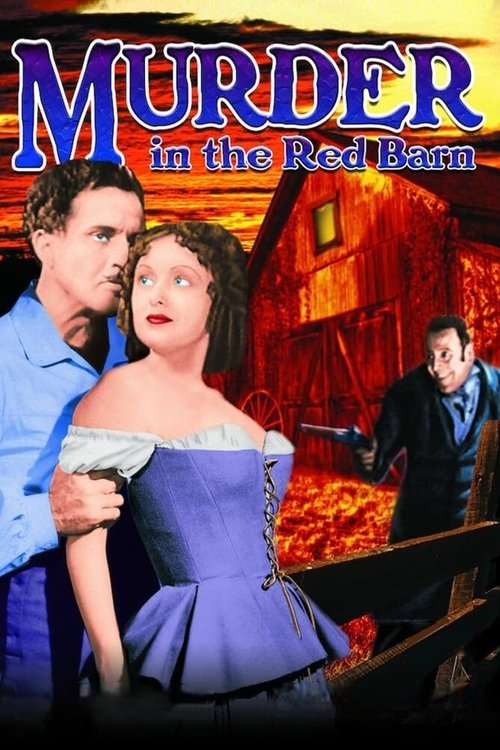
This 1935 crime drama functions as a period-specific melodrama that upholds the social hierarchies of its time. While it centers on a female protagonist, the narrative treats her primarily as a victim of predatory male behavior rather than an active participant in her own life. The film presents a homogeneous view of 1820s England, with limited ethnic diversity confined to a single character archetype. The plot emphasizes traditional moral and judicial consequences without challenging established cultural norms. Overall, the production prioritizes historical accuracy and classical narrative arcs over the representation of underrepresented identities or the subversion of social power dynamics.
Category Breakdown
The film does not include any same-sex relationships or non-cisgender gender identities.
Maria Marten is the main character, but she is portrayed primarily as a victim of male deception and violence, reinforcing traditional gender power imbalances.
The cast is mostly uniform, reflecting the 1820s English context. A Romani character is mentioned but lacks detailed or high-impact representation.
The story follows conventional Western dramatic traditions, focusing on maintaining social order and judicial processes without critiquing Western institutions or religion.
There are no characters with visible or invisible disabilities in the film.
Present on Screen
Limited or Absent
Official Synopsis
In 1820s rural England, a young girl is tricked by tales of marriage from a villainous Squire. When she becomes pregnant and disappears, a gipsy lad is blamed.
1961
1939
1927
1964
1939
1937
1922
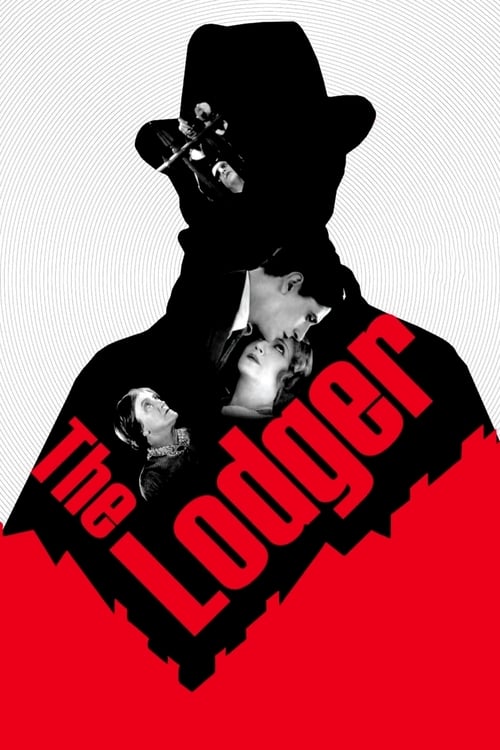
1927
No reviews yet. Be the first to share your thoughts on this movie!
Use the rating form above to leave a star rating and optional review.