The Milk System
2017
No user ratings available yet
Diversity score: 5.6 out of 10
2013
NRDirector
Liz Marshall
Runtime
93 minutes
Average Rating
No ratings yetSynopsis
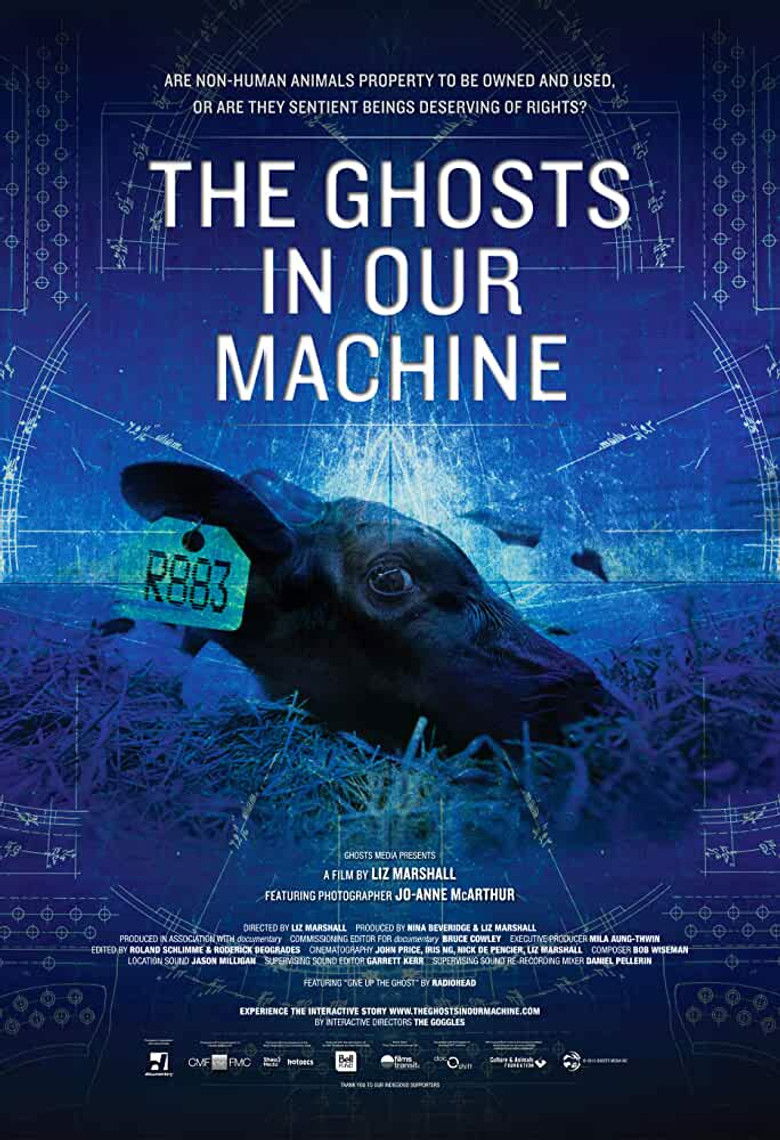
Through the heart and photographic lens of international photographer Jo-Anne McArthur, we become intimately familiar with a cast of non-human animals. The film follows Jo-Anne over the course of a year as she photographs several animal stories in parts of Canada, the U.S. and in Europe. Each story is a window into global animal industries: Food, Fashion, Entertainment and Research.
Overall Score
Fair
Category Breakdown
LGBTQ+ Representation
The film does not feature a primary focus on LGBTQ+ identities. It centers on animal welfare and industrial systems rather than queer-coded narratives.
Gender Representation
Jo-Anne McArthur provides a strong central presence as a female photographer. The film highlights her professional and intellectual agency within male-dominated industrial environments.
Racial & Ethnic Diversity
The documentary maintains a global scope across Canada, the U.S., and Europe. However, specific human racial intersectionality is not a central thematic driver.
Religious & Cultural Diversity
The film offers a profound critique of Western capitalist structures and consumerism. It prioritizes non-anthropocentric ethics by focusing on the lived experiences of non-human subjects.
Disability Representation
The narrative does not specifically address human neurodivergence or physical disability. These themes are not central to the film's focus on animal industries.
Strengths
Areas for Improvement
AI Analysis
The film shifts the focus from human-centric progress to the systemic impact of global industries on sentient beings. By following photographer Jo-Anne McArthur, the documentary deconstructs the industrialization of non-human life across the food, fashion, entertainment, and research sectors. While the film lacks traditional human identity politics like LGBTQ+ or disability representation, it excels in subverting cultural norms. It challenges the morality of Western industrial practices and the perceived 'naturalness' of modern consumerism. Ultimately, the work functions as a critique of systemic power dynamics. It replaces celebratory narratives of industrial progress with a complex, morally relativistic view of how global systems exploit non-human life.
2017

1949
2016
2021

2013
2017
2017
2018
2016
2007
2015
1989
No reviews yet. Be the first to share your thoughts on this movie!
Use the rating form above to leave a star rating and optional review.