Taste the Waste
2011
No user ratings available yet
Representation score: 3.6 out of 10
Representation Score
Limited
1989
Director
Jorge Furtado
Runtime
13 minutes
Average Rating
No ratings yetNew Showbiz Analysis
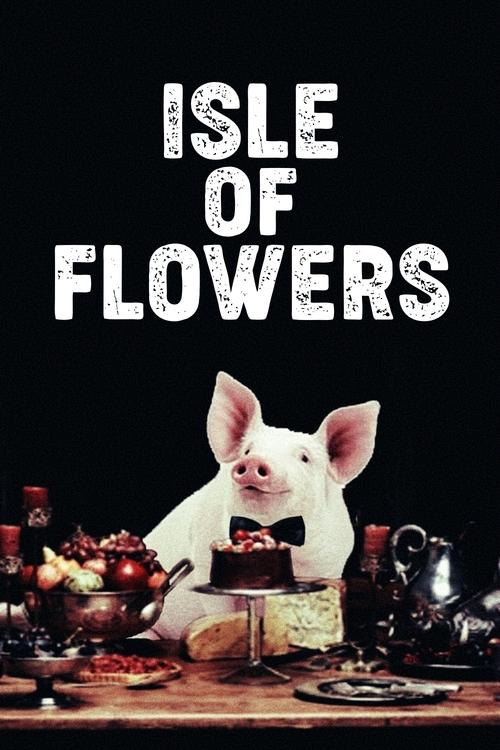
Isle of Flowers is a powerful critique of global capitalism that uses the lifecycle of a tomato to highlight the flaws in Western consumerism. By focusing on the logistics and systems involved in commodity production, the film offers a non-Western perspective on economic issues. However, it lacks traditional identity-based representation and misses opportunities to explore specific character-driven narratives related to gender, sexual orientation, or disability. The film's strength lies in its structural analysis of inequality, even though it does not delve deeply into individual characters.
Category Breakdown
The film does not depict any characters based on their sexual orientation or gender identity.
Women in the film are shown working within a waste cycle, but their roles are mostly functional and observational rather than exploring their ability to act.
The film centers on a poor community in Brazil, highlighting how global capitalism affects underrepresented populations.
The film critiques capitalist structures and consumerism using a postmodernist approach.
The film focuses on commodity cycles and systemic processes, so it does not include specific stories about characters with disabilities or neurodivergence.
Present on Screen
Limited or Absent
Official Synopsis
A tomato is planted, harvested and sold at a supermarket, but it rots and ends up in the trash. But it doesn’t end there: Isle of Flowers follows it up until its real end, among animals, trash, women and children. And then the difference between tomatoes, pigs and human beings becomes clear.
2011

2000
2010
1978

2014

2010

2004
2010
No reviews yet. Be the first to share your thoughts on this movie!
Use the rating form above to leave a star rating and optional review.