
Sharkwater Extinction
2018
No user ratings available yet
Diversity score: 4.9 out of 10
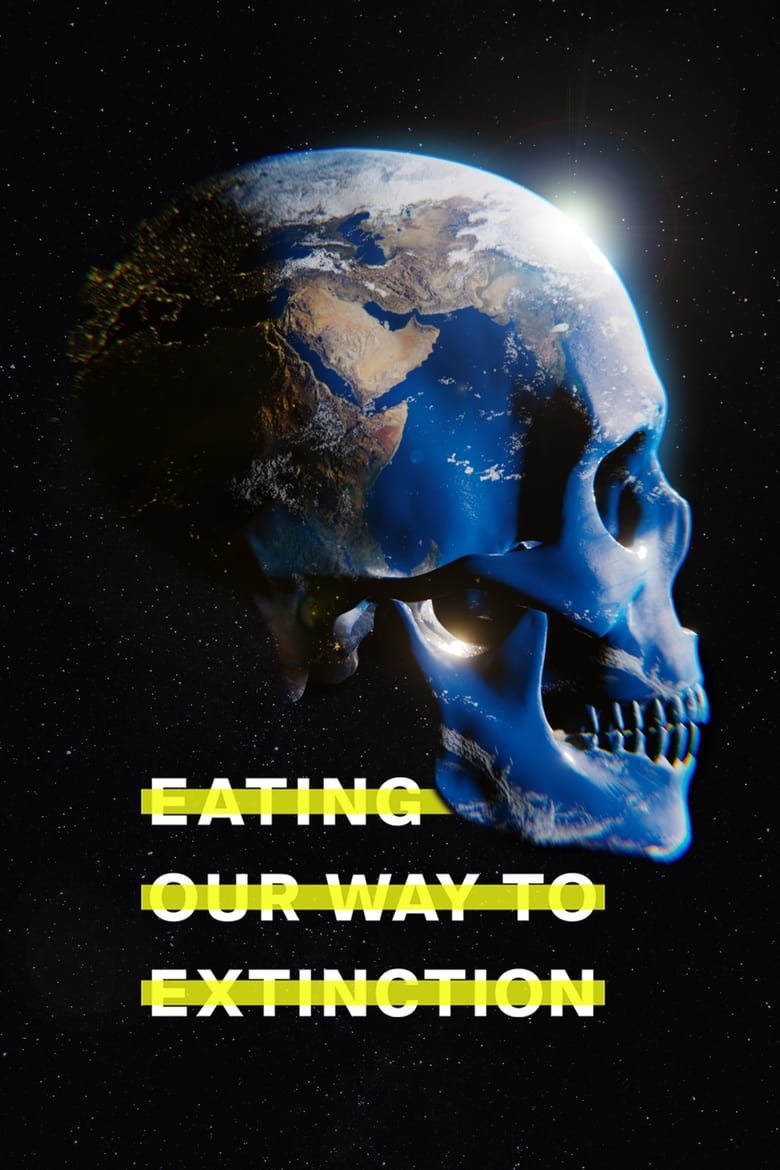
2021
NRDirector
Otto Brockway, Ludo Brockway
Runtime
81 minutes
Average Rating
No ratings yetSynopsis
With searing insight that shines light in dark corners, EATING OUR WAY TO EXTINCTION is a compelling feature documentary that opens the lid on the elephant in the room no one wants to talk about. Confronting and entertaining, this documentary allows audiences to question their everyday choices, industry leaders and governments. Featuring a wealth of world-renowned contributors including Sir Richard Branson and Tony Robbins, it has a message of hope that will empower audiences.
Overall Score
Fair
Category Breakdown
LGBTQ+ Representation
The documentary focuses entirely on ecological and dietary sustainability. It contains no LGBTQ+ characters or narratives exploring non-heteronormative identities.
Gender Representation
Gender is secondary to the environmental thesis. While high-agency female experts like Kate Winslet and Sylvia Earle appear, the film lacks a framework for analyzing gendered power structures.
Racial & Ethnic Diversity
The film relies heavily on established Western intellectual and entrepreneurial figures. The contributor list suggests a focus on Western-centric perspectives rather than centering marginalized racial identities.
Religious & Cultural Diversity
The film aligns with progressive cultural critiques by challenging Western industrial capitalism. It frames the meat industry as a driver of systemic collapse and promotes radical lifestyle shifts.
Disability Representation
There is no information regarding the inclusion or portrayal of individuals with physical or neurodivergent disabilities.
Strengths
Areas for Improvement
AI Analysis
The film functions as a specialized ecological critique rather than a study of human identity. It prioritizes systemic environmental science over interpersonal identity politics, which results in low scores for traditional demographic representation. While the documentary lacks diversity in terms of LGBTQ+ and racial identities, it excels in cultural representation. It successfully deconstructs Western industrial norms and challenges traditional capitalist consumption models. Ultimately, the film's impact is measured through its critique of global economic structures rather than its exploration of diverse social identities.
2018

2007
2009

2010

2011
2013

2009

2014

2006
2016

2009
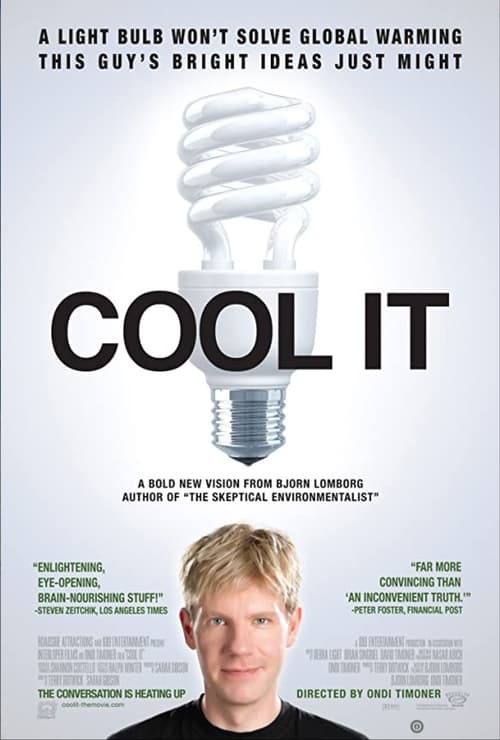
2010
No reviews yet. Be the first to share your thoughts on this movie!
Use the rating form above to leave a star rating and optional review.