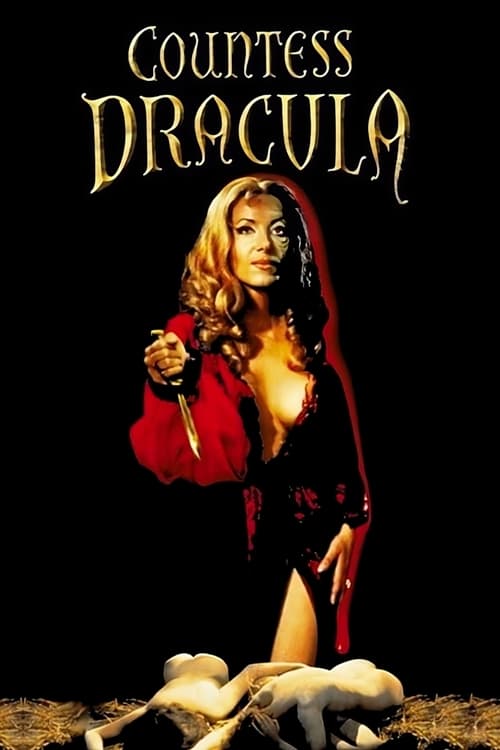
Countess Dracula
1971
No user ratings available yet
Representation score: 4.0 out of 10
Representation Score
Good
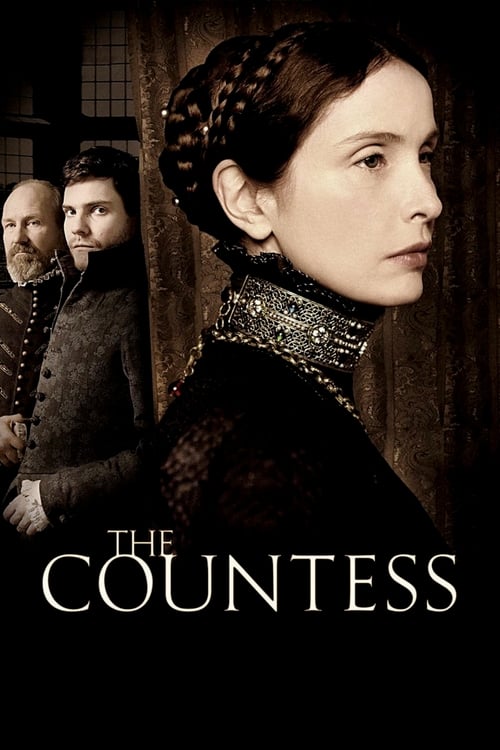
2009
Not RatedDirector
Julie Delpy
Runtime
100 minutes
Average Rating
No ratings yetNew Showbiz Analysis
The film subverts traditional gender roles by placing a powerful female protagonist at the center, challenging the dominance of male-centric narratives. However, the period setting limits racial and LGBTQ+ diversity, focusing instead on straight-centered obsessions. Ultimately, the work finds its strength in deconstructing social hierarchies, even as it uses psychological decay primarily as a tool for gothic horror.
Category Breakdown
The film does not include explicit LGBTQ+ identities or same-sex intimacy. It focuses on the Countess's obsession with younger men while showcasing strong female bonds within her aristocratic circle.
The film challenges traditional gender roles by centering a powerful female protagonist who is portrayed as having absolute control rather than being a passive historical figure.
Reflecting the 17th-century Hungarian setting, the cast is predominantly white. The film adheres to the demographic realities of the European nobility of that era without intentional diversification efforts.
The story critiques Western institutions by prioritizing survivalist logic over Christian morality. It deconstructs social order, framing traditional morality as an obstacle to the protagonist's pursuit of beauty.
Themes of madness and physical decay serve as gothic plot devices. These elements drive the horror rather than offering nuanced portrayals of characters with mental health conditions.
Present on Screen
Limited or Absent
Official Synopsis
Kingdom of Hungary, 17th century. As she gets older, powerful Countess Erzsébet Báthory (1560-1614), blinded by the passion that she feels for a younger man, succumbs to the mad delusion that blood will keep her young and beautiful forever.
1971

1971

2006
1969
2008
1986
1996
2019
No reviews yet. Be the first to share your thoughts on this movie!
Use the rating form above to leave a star rating and optional review.