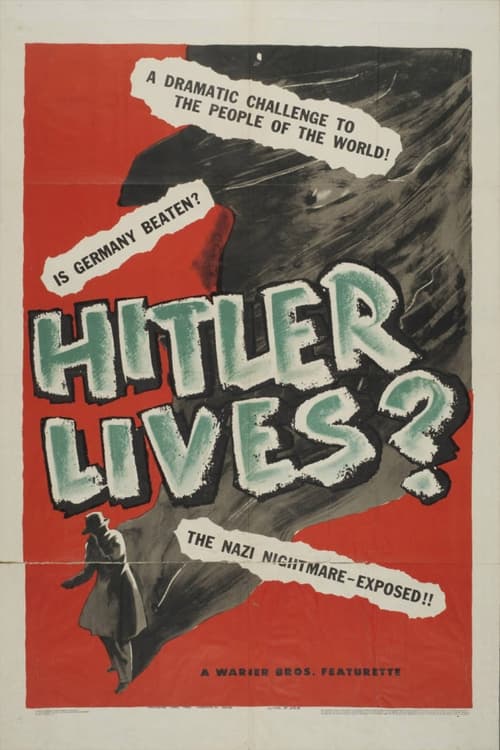
Hitler Lives
1945
No user ratings available yet
Diversity score: 2.4 out of 10

1973
Director
Jean-Marie Straub, Danièle Huillet
Runtime
15 minutes
Average Rating
No ratings yetSynopsis
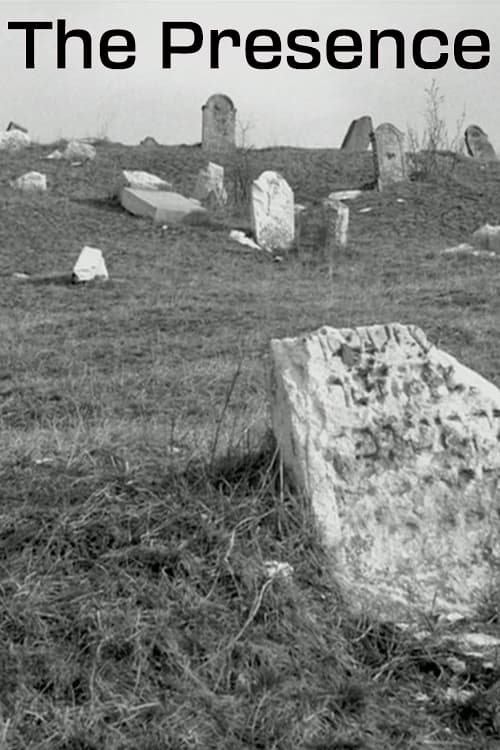
This is a small, intense film based on Schoenberg’s opus of the same name with the subtitle “danger, fear, catastrophe”. It deals with emerging fascism and the persecution of Jews, as well as with their historical continuities.
Overall Score
Limited
Category Breakdown
LGBTQ+ Representation
The film is a non-narrative, avant-garde documentary. It lacks human characters, meaning there is no depiction of LGBTQ+ identities or narratives.
Gender Representation
This work lacks characterization and dialogue. Because it focuses on static nature shots and musical atonality, it does not engage with gender hierarchies.
Racial & Ethnic Diversity
The film lacks a cast of color. While it addresses the historical persecution of Jewish populations, representation is intellectual rather than demographic.
Religious & Cultural Diversity
The film challenges traditional Western storytelling through atonality and structural rigor. Its focus on fascism serves as a critique of systemic oppression through abstraction.
Disability Representation
There are no characters or depictions of disability within the film's formalist framework.
Strengths
Areas for Improvement
AI Analysis
This avant-garde documentary prioritizes the synchronization of landscape imagery with Schoenberg’s musical composition over human-centric storytelling. Because the film eschews traditional narrative and character agency, it naturally fails to meet standard metrics for demographic representation. The work functions as a semiotic deconstruction of sound and image. While it lacks a diverse cast, its thematic subtext addresses the historical catastrophe of fascism and the persecution of Jewish people. Ultimately, the film's low score reflects its structuralist intent. It seeks to disrupt Western cinematic consumption through abstraction rather than through the depiction of specific identities.
1945

2004
1994

1991

1999
1965

2016
1960

1977

1942

2018
1944
No reviews yet. Be the first to share your thoughts on this movie!
Use the rating form above to leave a star rating and optional review.