Fascism Inc.
2014
No user ratings available yet
Representation score: 4.1 out of 10
Representation Score
Limited
2018
TV-GDirector
Simon Griffith
Runtime
56 minutes
Average Rating
No ratings yetNew Showbiz Analysis
This documentary provides a detailed analysis of mid-20th-century European political structures. It prioritizes the examination of systemic corruption and societal collapse over individual identity representation. The film's strength lies in its intellectual engagement with how charismatic leadership and socio-economic instability undermine democratic institutions. It offers a nuanced critique of how nationalist fervor can be weaponized against the collective. However, the narrative is geographically and demographically limited. By focusing on the European theater and historical male-dominated hierarchies, it lacks the multi-layered depth found in more contemporary character-driven works.
Category Breakdown
The documentary does not include LGBTQ+ character arcs or stories focused on individual identity. It focuses on large-scale political movements instead.
The narrative highlights male-dominated political hierarchies and charismatic leaders. It does not explicitly center women's roles or challenge traditional gender power dynamics.
The film centers on Western geopolitical contexts and European history. This focus limits the representation of non-Western or multi-layered racial diversity.
The film critiques extreme nationalism and state-mandated morality. It examines how fascist regimes manipulate traditional nationalist and ultra-patriotic institutions.
There are no specific character arcs centered on disability. The film maintains a broad historical overview of political structures.
Present on Screen
Limited or Absent
Official Synopsis
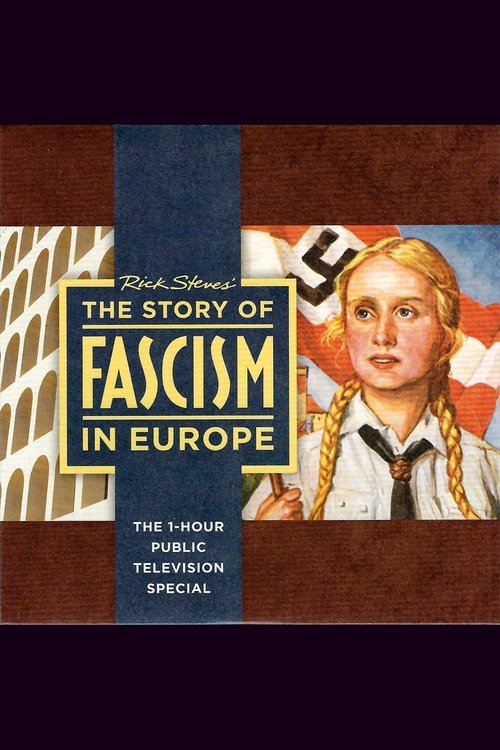
In this one-hour special, Rick Steves travels back a century to learn how fascism rose and then fell in Europe — taking millions of people with it. He traces fascism’s history from its roots in the turbulent aftermath of World War I, when masses of angry people rose up, to the rise of charismatic leaders who manipulated that anger, and the totalitarian societies they built.
2014
1935
2022
2012
2017
2019
1961
2021
No reviews yet. Be the first to share your thoughts on this movie!
Use the rating form above to leave a star rating and optional review.