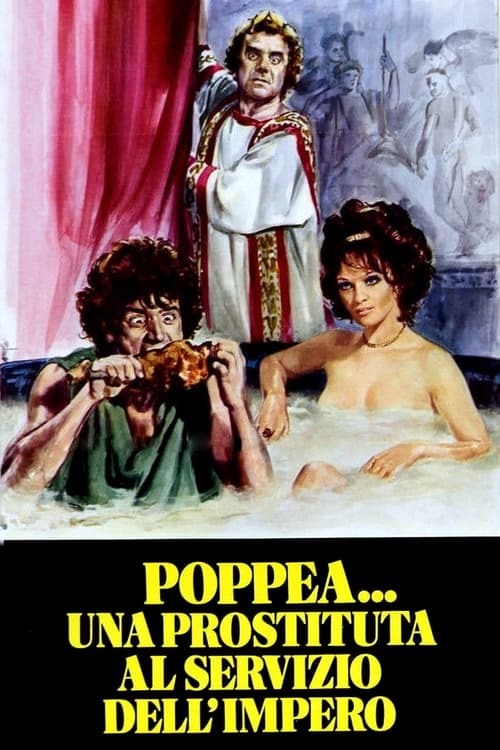
Poppea: A Prostitute in Service of the Emperor
1972
No user ratings available yet
Diversity score: 5.0 out of 10
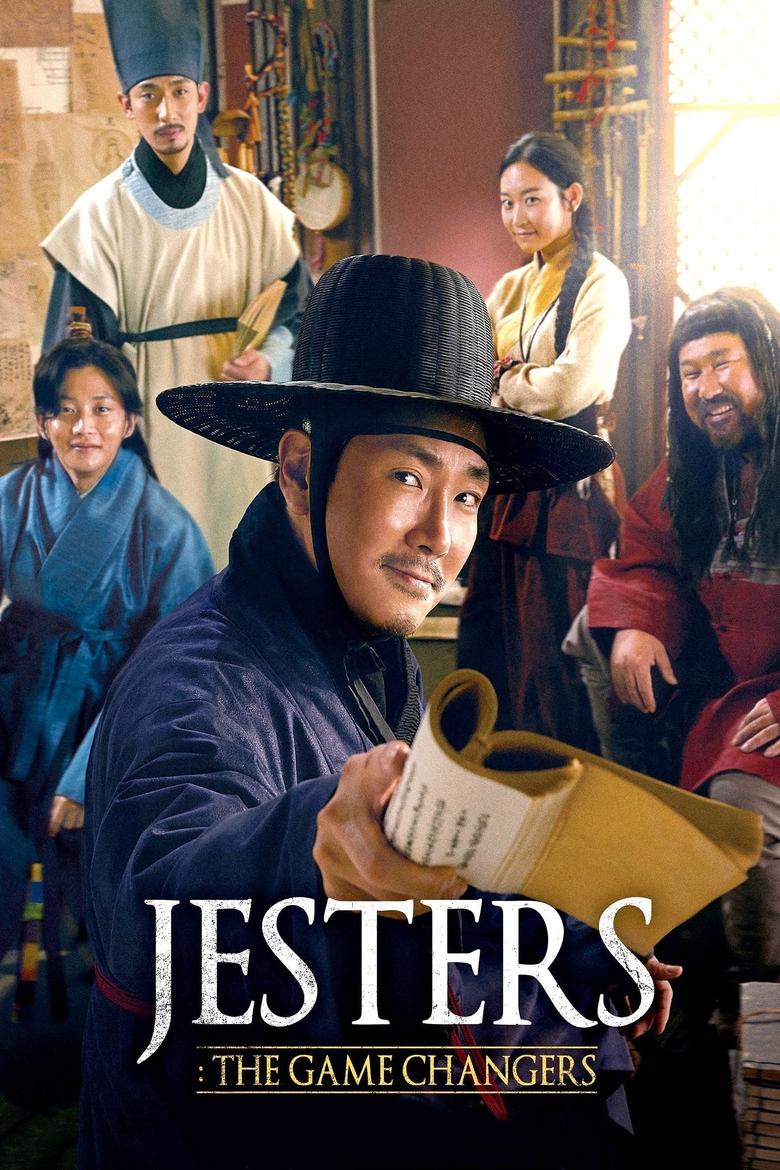
2019
Director
Kim Joo-ho
Runtime
108 minutes
Average Rating
No ratings yetSynopsis
A gang of clowns is hired by an unpopular king to serve as propagandists who fabricate positive rumors and stage miracles to improve his personal image.
Overall Score
Fair
Category Breakdown
LGBTQ+ Representation
The narrative focuses on political manipulation and class dynamics rather than explicit queer identities. There is no evidence of active derogatory tropes, but the plot lacks central LGBTQ+ narratives.
Gender Representation
The film disrupts traditional hierarchies by shifting agency from the monarchy to marginalized performers. This positioning undermines traditional masculine authority through the unconventional actions of the jesters.
Racial & Ethnic Diversity
Set in a historical Korean context, the cast is ethnically homogeneous. However, the film uses the clown archetype to explore the agency of social outsiders and systemic inequality.
Religious & Cultural Diversity
The film excels at critiquing monarchical institutions and centralized authority. It portrays truth as a tool of the powerful, celebrating the subversion of official history and institutional corruption.
Disability Representation
There is no significant evidence regarding the depiction of physical or neurodivergent disabilities within the film's narrative.
Strengths
Areas for Improvement
AI Analysis
Jesters: The Game Changers is a sophisticated critique of systemic power that prioritizes structural deconstruction over modern identity-based representation. It succeeds by empowering marginalized social actors to manipulate the ruling class, challenging the stability of traditional authority. The film's strength lies in its narrative architecture, using satire to examine how truth and perception are manufactured. While it lacks explicit LGBTQ+ or disability representation, it provides a deep exploration of class and institutional corruption. Ultimately, the work functions as a study of situational ethics, using historical settings to critique the mechanics of power and the agency of those traditionally excluded from it.
1972

2016

2017
2014
1992
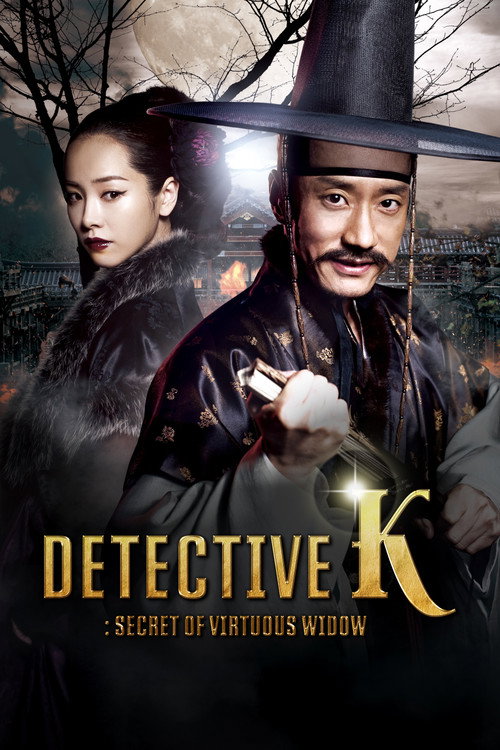
2011

1951

2012
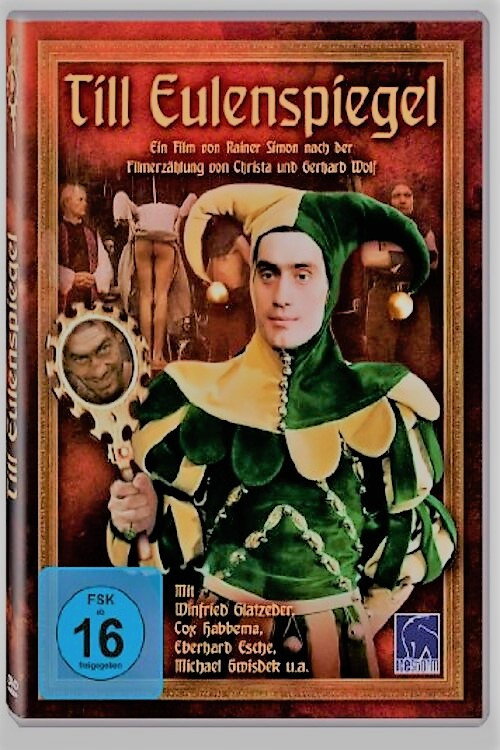
1975
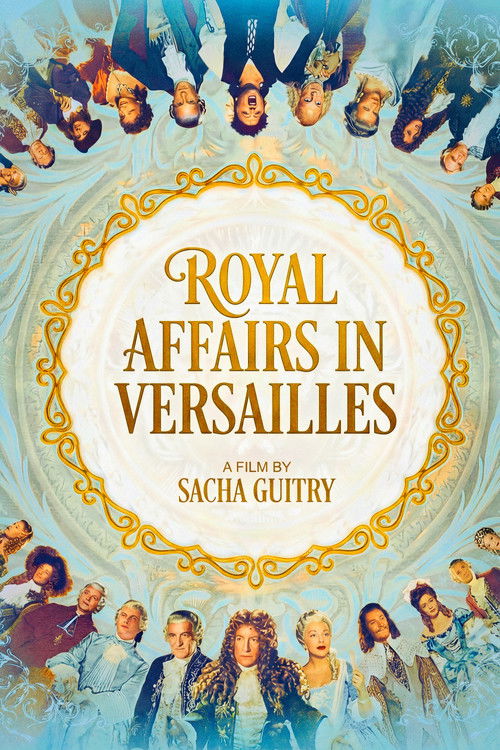
1953
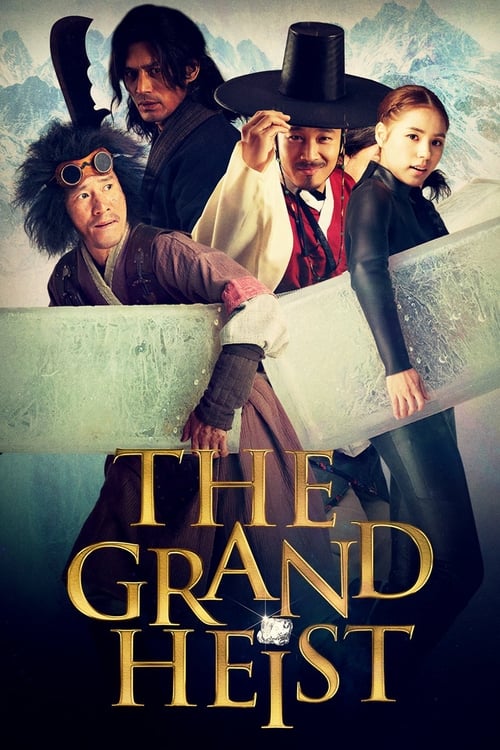
2012
No reviews yet. Be the first to share your thoughts on this movie!
Use the rating form above to leave a star rating and optional review.