Mir nach, Canaillen
1964
No user ratings available yet
Representation score: 4.2 out of 10
Representation Score
Fair
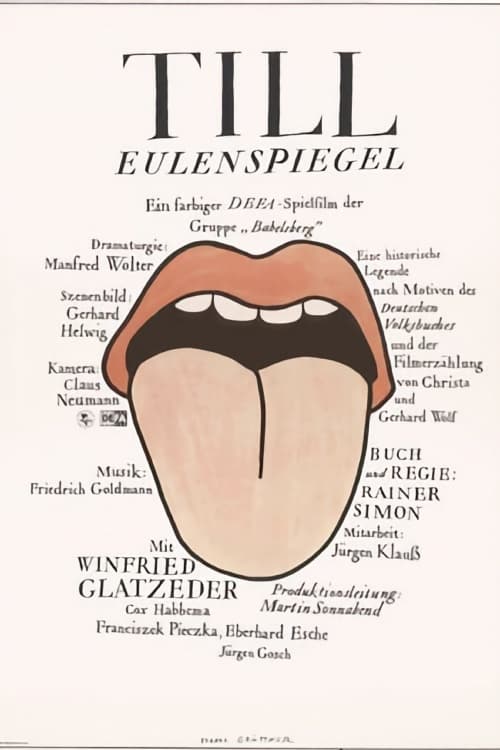
1975
Director
Rainer Simon
Runtime
100 minutes
Average Rating
No ratings yetNew Showbiz Analysis
Rainer Simon’s *Till Eulenspiegel* is a sharp critique of systemic power, rooted in a male-centric worldview. The film excels in its cultural satire, using a trickster protagonist to challenge institutional corruption and class hierarchies. However, it overlooks gendered power dynamics and fails to provide meaningful representation for women or LGBTQ+ identities. The film focuses primarily on socioeconomic status, offering a narrow perspective on human identity.
Category Breakdown
The film follows a male-centric journey through medieval society and does not depict any non-cisgender identities or same-sex relationships.
The story centers around a male protagonist and his interactions with male-dominated institutions. Female characters are mostly peripheral to the male-driven plot.
Set in medieval Germany, the film reflects the historical homogeneity of the time, focusing on class divisions among Europeans.
The film effectively uses a trickster protagonist to critique corrupt institutions like the Church and feudal nobility, highlighting systemic oppression and stratified social structures.
While the story addresses the struggles of the poor and weak, it does not feature characters with visible or invisible disabilities.
Present on Screen
Limited or Absent
Official Synopsis
In medieval Germany, poor and witty Till Eulenspiegel fools and cheats citizens, churchmen, and landlords. Although in most cases he uses his wit for personal well-being, he often helps the poor and weak. Eventually, he gains an influential but also dangerous position as royal fool at the court of the emperor.
1964
1955
1984
1971
1976
1962
1977
1952
No reviews yet. Be the first to share your thoughts on this movie!
Use the rating form above to leave a star rating and optional review.