Smarty
1934
No user ratings available yet
Representation score: 0.8 out of 10
Representation Score
Limited
1931
TV-GDirector
Clarence G. Badger
Runtime
73 minutes
Average Rating
No ratings yetNew Showbiz Analysis
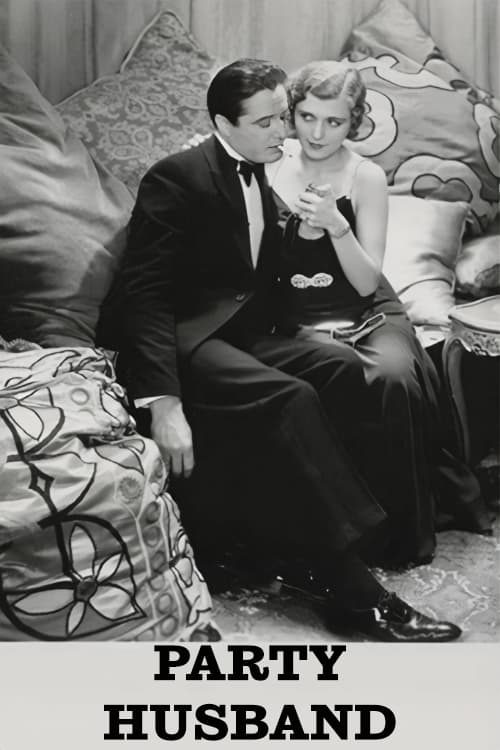
Party Husband provides a glimpse into the evolving social norms of the early 20th century. It stands out by challenging traditional gender roles, presenting a marriage based on openness rather than strict patriarchal control. The depiction of a distracted, less-competent male lead deviates from typical period clichés. However, the film is constrained by the demographic homogeneity of 1930s Hollywood. It lacks meaningful representation of LGBTQ+ identities, racial diversity, or disability. The social world it portrays is almost entirely white and upper-middle-class. Ultimately, while the film offers a progressive perspective on gendered social dynamics for its time, it falls short in capturing the multi-layered complexity expected by today's audiences.
Category Breakdown
The film does not depict any LGBTQ+ identities or queer narratives. Romantic relationships are shown strictly within the context of heterosexual marriage and courtship.
The film challenges traditional gender roles by focusing on a 'modern marriage' characterized by openness. Female characters have a significant role in driving the story, while the male protagonist is depicted as somewhat inept and preoccupied.
The cast is predominantly white and upper-middle-class, reflecting the production standards of the 1930s. There is no notable racial or ethnic diversity in the film.
The film explores moral relativism through its depiction of party culture and social leisure. It critiques traditional domesticity by portraying marital neglect as a comedic flaw.
The film does not include any visible or invisible disabilities. Characters with disabilities are not used as plot devices.
Present on Screen
Limited or Absent
Official Synopsis
Party Husband finds ex-Ziegfield Girl Dorothy playing the better half of a thoroughly “modern marriage” whose openness threatens to bring about its premature end. Fellow Ziegfield alum Mary Doran plays the coquette whose intended conquest of the free-thinking hubby (James Rennie) starts to throw the couple’s “understanding” awry.
1934
1933
1935
1939
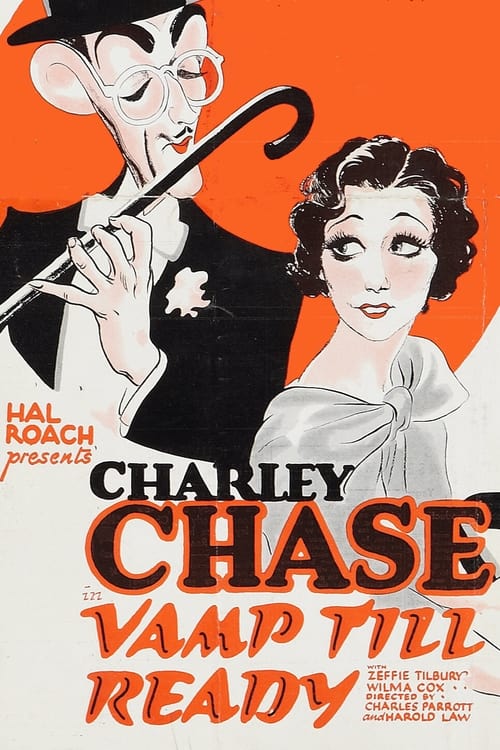
1936
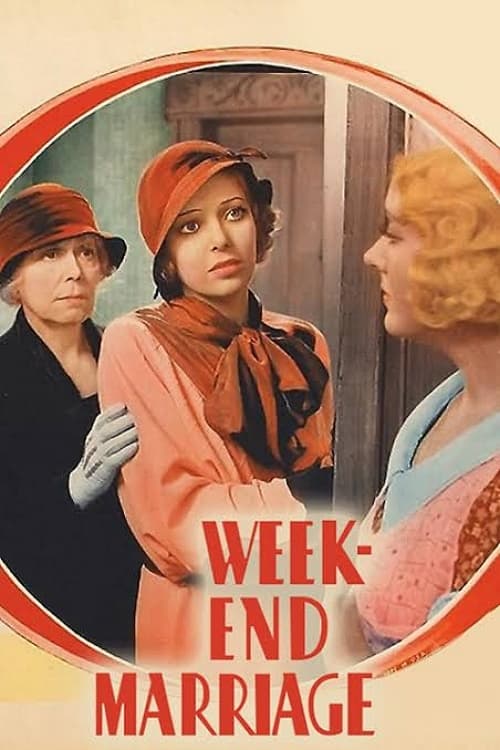
1932
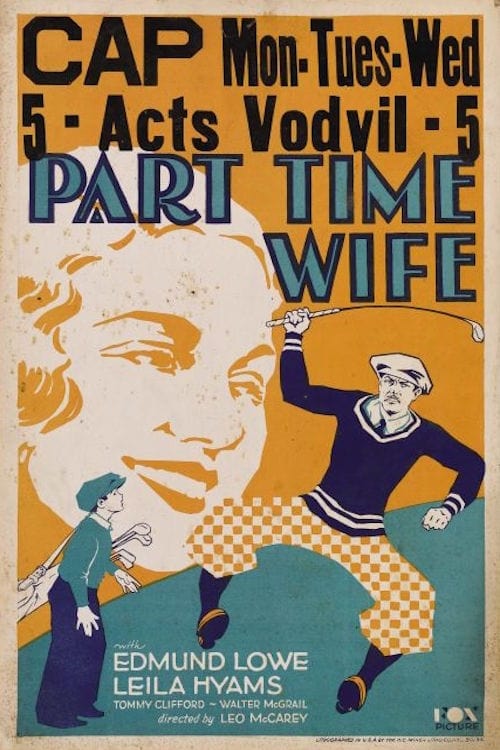
1930
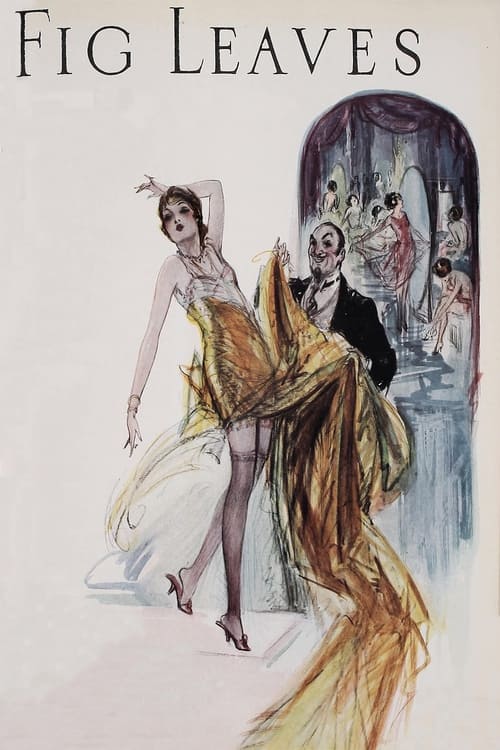
1926
No reviews yet. Be the first to share your thoughts on this movie!
Use the rating form above to leave a star rating and optional review.