
Kid Boots
1926
No user ratings available yet
Diversity score: 1.5 out of 10
1934
ApprovedDirector
Frank Tuttle
Runtime
75 minutes
Average Rating
No ratings yetSynopsis
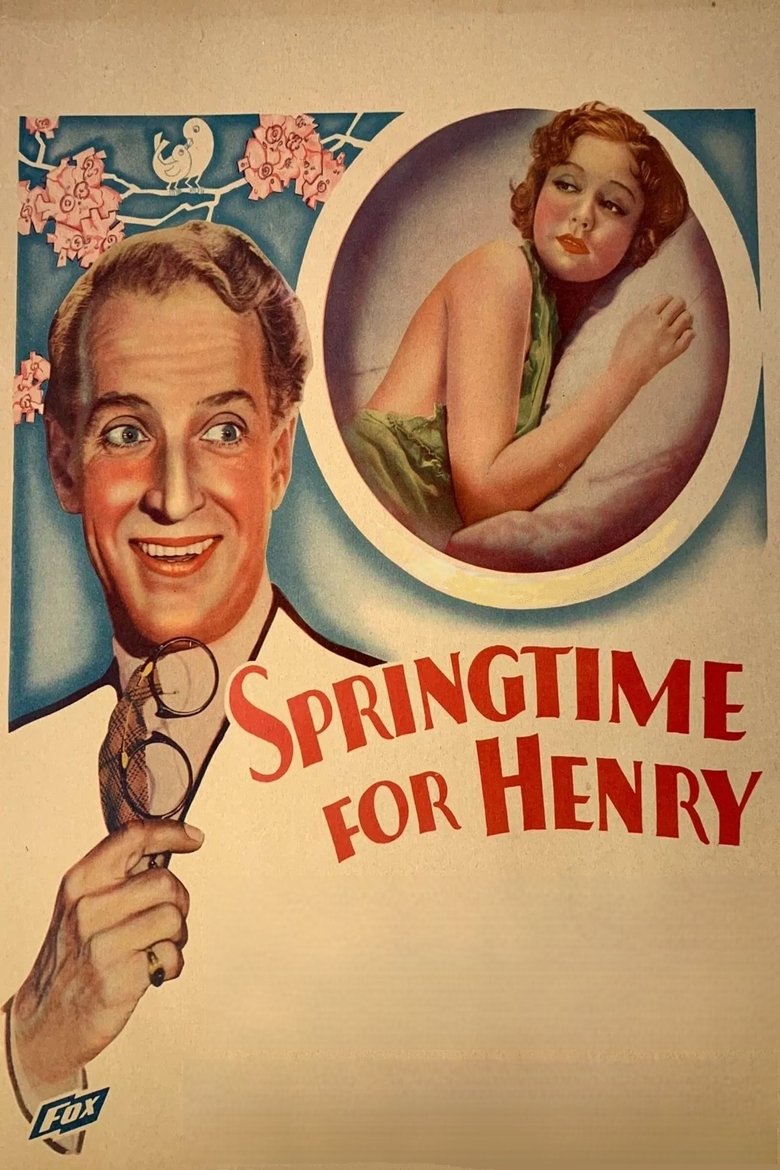
A rakish fellow involves himself with a married woman. Later his secretary endeavors to win him away with the promise of a more stable relationship. The rake is tempted, but then decides he prefers the married woman, which is fine with her husband who has an eye for the secretary.
Overall Score
Limited
Category Breakdown
LGBTQ+ Representation
The film adheres to the heteronormative romantic structures typical of 1930s cinema. There is no evidence of non-cisnormative identities or same-sex intimacy.
Gender Representation
The narrative allows for female agency through the competing interests of the married woman and the secretary. However, these roles largely serve the comedic momentum of the male protagonist.
Racial & Ethnic Diversity
Casting reflects the homogeneous standards of the 1934 Hollywood studio system. The focus remains on socioeconomic distinctions rather than ethnic or racial diversity.
Religious & Cultural Diversity
The film operates within traditional Western social structures and celebrates romantic escapism. It lacks any significant critique of Western social institutions or systemic structures.
Disability Representation
There are no visible or invisible disabilities portrayed as central to the character arcs or plot progression.
Strengths
Areas for Improvement
AI Analysis
Springtime for Henry is a conventional musical comedy designed for period-specific escapism. While it offers some playfulness regarding gendered romantic tropes, it lacks the structural complexity to address broader social issues. The film relies on 18th-century French settings to explore class friction, yet it remains within the bounds of traditional social hierarchies. It functions more as a lighthearted romp than a subversive narrative. Ultimately, the production reflects the era's homogeneous casting and heteronormative storytelling, providing very little intersectional depth or representation of marginalized identities.
1926
1919
1931
1934
1926
1946

1930
1947
1933
1930
1935
1944
No reviews yet. Be the first to share your thoughts on this movie!
Use the rating form above to leave a star rating and optional review.