
The Sweetest Gift
1998
No user ratings available yet
Diversity score: 5.7 out of 10
1984
Director
Stan Lathan
Runtime
96 minutes
Average Rating
No ratings yetSynopsis
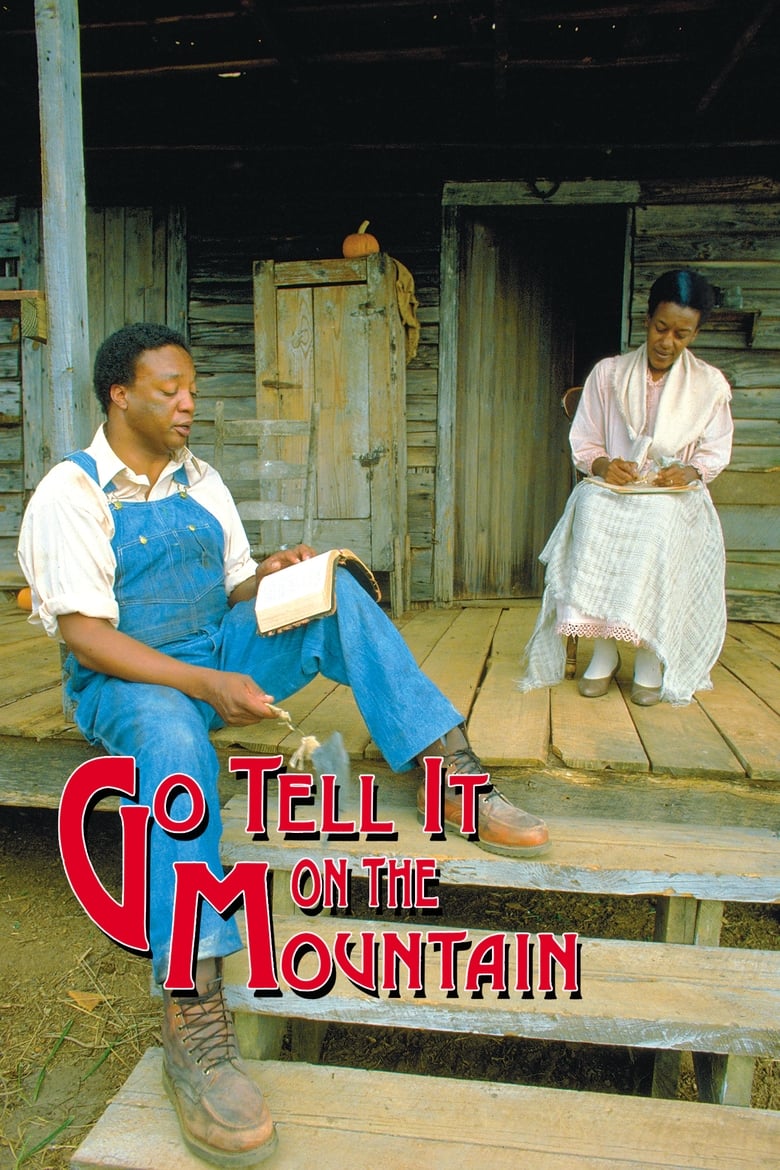
Over a single, pivotal Saturday in 1930s Harlem, 14-year-old John Grimes wrestles with his religious calling and his fraught relationship with his abusive, hypocritical stepfather, Gabriel. Extended flashbacks explore the oppressive Southern past and personal histories of John's mother, his aunt, and Gabriel, ultimately illuminating the generational trauma and complex family secrets that shape his life.
Overall Score
Excellent
Category Breakdown
LGBTQ+ Representation
The film centers on John Grimes’s internal struggle with his emerging sexuality. It avoids simplistic tropes, using his identity to drive the plot against a restrictive community.
Gender Representation
The narrative critiques rigid patriarchal authority and explores the psychological complexities of female characters. Elizabeth’s arc highlights the friction between maternal duty and individual agency.
Racial & Ethnic Diversity
Featuring an all-Black cast, the film centers the Black experience in mid-century Harlem. It provides a high-agency portrayal that avoids the traditional white gaze.
Religious & Cultural Diversity
The story critiques the Pentecostal church as a systemic force of suppression. It pits the protagonist's subjective experience against rigid, institutionalized religious morality.
Disability Representation
The film explores psychological and spiritual distress but lacks specific depictions of physical or neurodivergent disabilities.
Strengths
Areas for Improvement
AI Analysis
This adaptation of James Baldwin's novel is a sophisticated exercise in intersectional storytelling. It successfully weaves together themes of race, sexuality, and religious critique into a cohesive narrative. By focusing on the protagonist's struggle for self-actualization, the film challenges established social hierarchies. The production excels by centering Black identity and agency within a mid-century Harlem setting. This approach provides a nuanced perspective that was rare for 1980s media, moving beyond superficial representation to explore deep-seated systemic pressures. While the film offers a powerful critique of patriarchal and religious structures, it remains focused on the internal lives of its characters. The tension between personal truth and community expectation serves as the film's emotional core.
1998

1985
1998
1996
2005

1984
1989
2008
1996
1989

1989

2010
No reviews yet. Be the first to share your thoughts on this movie!
Use the rating form above to leave a star rating and optional review.