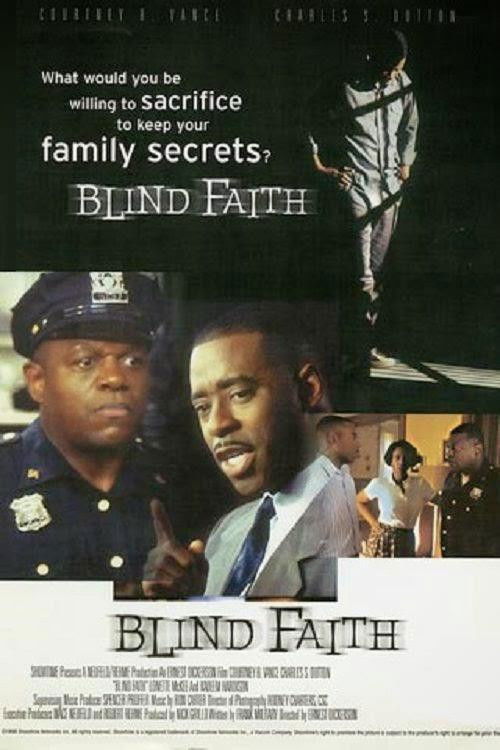
Blind Faith
1998
No user ratings available yet
Diversity score: 6.7 out of 10
1999
RDirector
Ernest R. Dickerson
Runtime
95 minutes
Average Rating
No ratings yetSynopsis
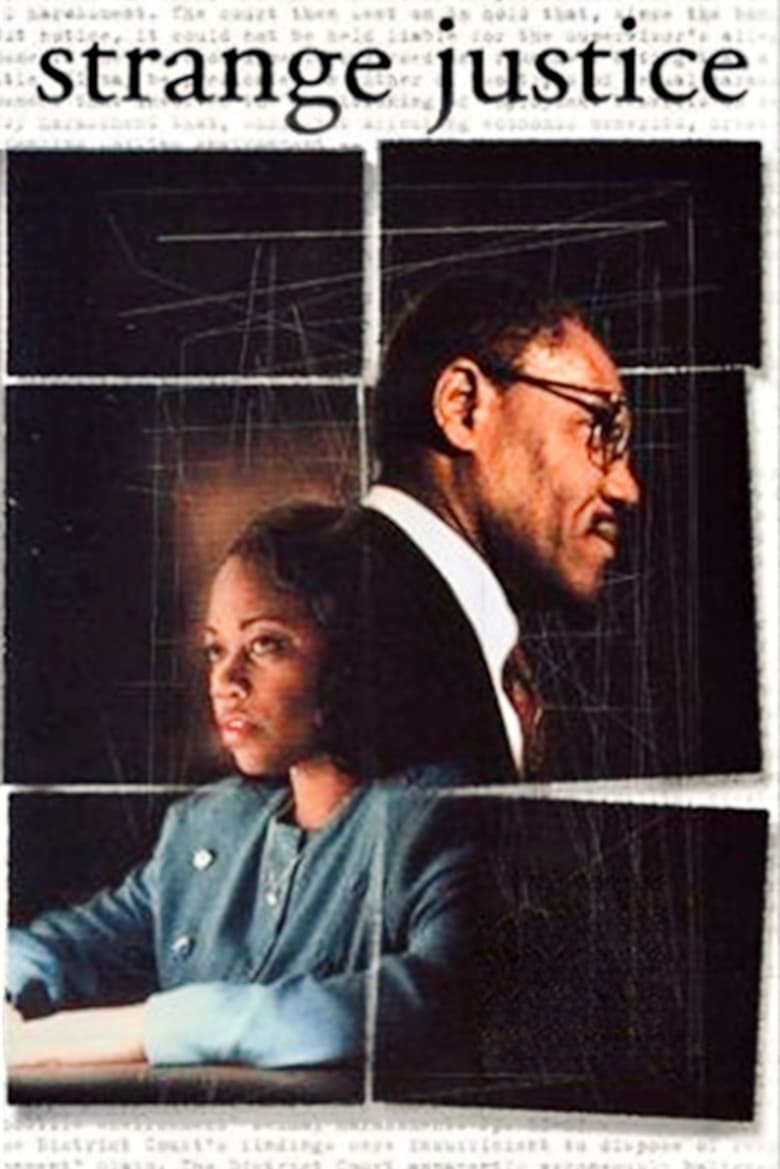
In this historical drama, U.S. Supreme Court Justice Thurgood Marshall announces his retirement. The White House nominates Clarence Thomas as Marshall's replacement. But Thomas's confirmation hearings are rocked by charges that he sexually harassed Anita Hill, a former assistant. As their conflict plays out in public, a White House aide runs a behind-the-scenes campaign to discredit Hill.
Overall Score
Good
Category Breakdown
LGBTQ+ Representation
The film focuses on race, gender, and institutional power rather than queer narratives. It avoids derogatory tropes but lacks explicit LGBTQ+ presence.
Gender Representation
The narrative centers on female professional agency and the scrutiny of sexual harassment allegations. It challenges male authority by framing women as central drivers of legal discourse.
Racial & Ethnic Diversity
The film places Black characters in positions of immense systemic influence. It centers a narrative of Black Supreme Court Justices to challenge the depiction of homogeneous white institutions.
Religious & Cultural Diversity
The story critiques Western judicial and executive branches by exposing systemic pressures. It explores the tension between institutional truth and individual experience during a high-profile confirmation process.
Disability Representation
There is no significant evidence of characters with visible or invisible disabilities driving the plot. The focus remains strictly on professional and legal spheres.
Strengths
Areas for Improvement
AI Analysis
Strange Justice is a sophisticated examination of how identity intersects with institutional power. It disrupts the typical judicial drama by centering racial and gendered agency through the lens of a pivotal historical moment. The film excels at placing characters of color in positions of systemic influence, effectively challenging the standard portrayal of legal institutions. By focusing on the testimony of women, it subverts traditional hierarchies of male authority. However, the narrative is narrow in its scope. It lacks engagement with LGBTQ+ or disability narratives, remaining focused almost exclusively on the intersection of race, gender, and political power.
1998

2005

2003
1996

2010

2020

2004

2000

1987

1990
1992
2017
No reviews yet. Be the first to share your thoughts on this movie!
Use the rating form above to leave a star rating and optional review.