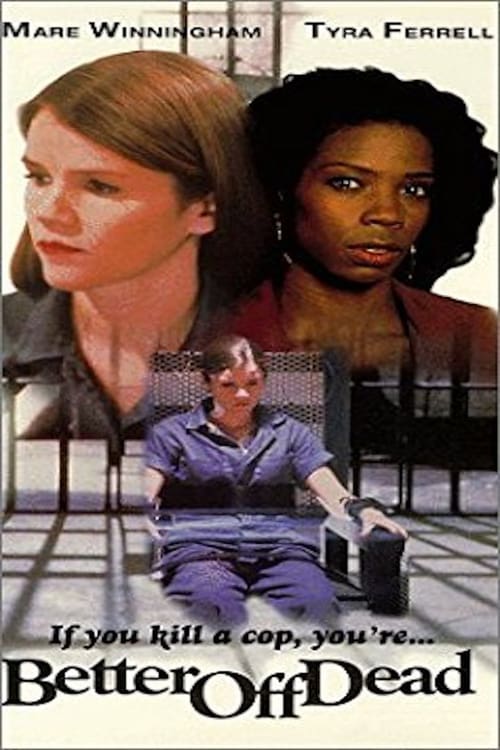
Better Off Dead.
1993
No user ratings available yet
Representation score: 6.4 out of 10
Representation Score
Limited
2008
TV-14Director
Scott Williams
Runtime
83 minutes
Average Rating
No ratings yetNew Showbiz Analysis
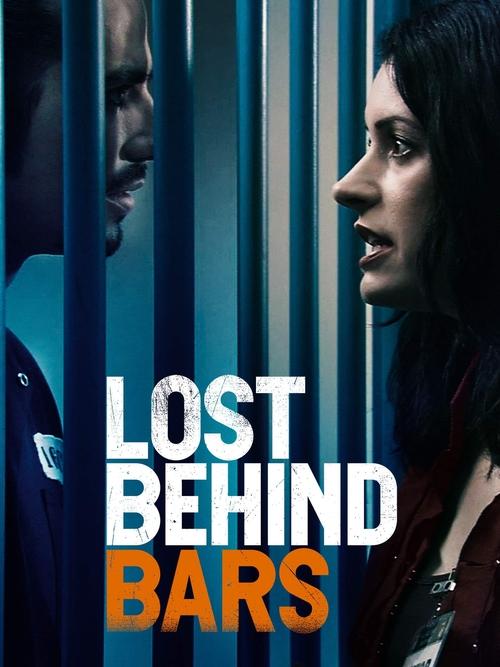
Lost Behind Bars primarily serves as a critique of institutional justice rather than a showcase of diverse identities. The film's strength lies in its skepticism of institutional infallibility, positioning the protagonist as a disruptor of traditional legal narratives. While the film challenges the morality of state-sanctioned violence, it lacks clear representation of diverse identities. The narrative focuses more on the flaws in legal hierarchies than on specific underrepresented groups. Ultimately, the film excels in deconstructing institutional infallibility but remains limited in its representation of social diversity.
Category Breakdown
The film does not include any characters or narratives that address LGBTQ+ identities or non-assuming gender matches what was assigned at birth identities. There is no queer representation in the cast or plot.
Paget Brewster’s prominent role highlights a narrative focused on female empowerment. The protagonist’s investigative role showcases the intelligence and determination of a woman challenging patriarchal legal structures.
The film features a multi-ethnic cast including Antonio Cupo and Doron Bell. However, it is unclear if characters of color have significant roles or address systemic biases.
The film critiques traditional Western institutions, particularly the death penalty, by questioning the fairness of legal finality and institutional injustice.
There is no indication of neurodivergent characters or individuals with physical or sensory disabilities in the film.
Present on Screen
Limited or Absent
Official Synopsis
A reporter tracing the effect of the death penalty stumbles across a murder mystery and a potentially innocent man set for execution.
1993

1989

1985
2015
2006
2004
1990

2020
No reviews yet. Be the first to share your thoughts on this movie!
Use the rating form above to leave a star rating and optional review.