
Christmas Day
1928
No user ratings available yet
Representation score: 5.8 out of 10
Representation Score
Limited
1929
Director
Antonio Rodríguez Fuentes, Josefina Barrera Fuentes
Runtime
1 minutes
Average Rating
No ratings yetNew Showbiz Analysis
Playing in the Park is a crucial piece of early Mexican-American self-documentation. By capturing a family in a public Texas park, the filmmakers avoid the typical ethnographic gaze common in 1929. The film's significance lies in its role as a form of counter-archiving. It enables a underrepresented community to define its existence through a personal, domestic lens. While the film follows a traditional family structure, the creative involvement of both directors provides a unique look into grassroots community representation.
Category Breakdown
The film focuses on a nuclear family unit and does not include any LGBTQ+ characters or narratives addressing non-straight relationships.
Josefina Barrera Fuentes challenges traditional roles by transitioning from being a subject to a documentarian. Her active role behind the camera highlights her technical skills and involvement.
This film marks a significant milestone for Mexican-American visibility in Texas. It offers an authentic depiction of ethnic identity through self-representation.
The film presents a localized, familial perspective on life. It emphasizes personal authenticity over broad nationalistic or religious narratives.
There is no visible evidence regarding the portrayal of disabilities in the available documentation.
Present on Screen
Limited or Absent
Official Synopsis
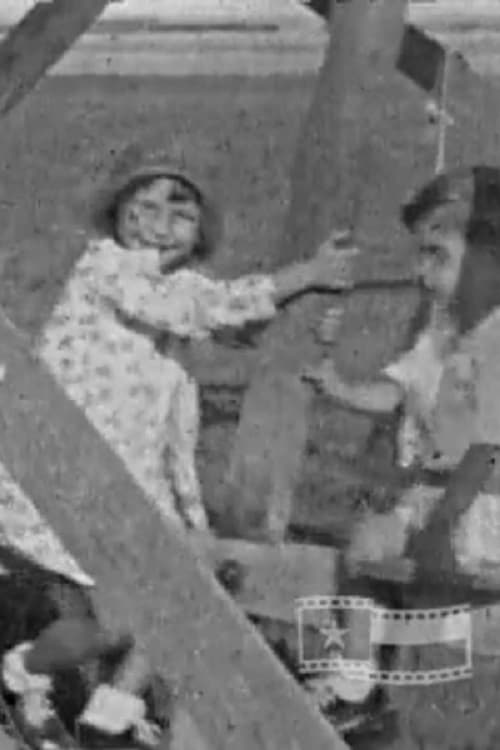
This 1929 home movie, shot by longtime Corpus Christi resident Antonio Rodríguez Fuentes, may well represent some of the earliest produced by a Mexican-American filmmaker about the Mexican-American community in Texas. In the footage, Fuentes captures his wife Josefina and four of their children playing in a park in Corpus Christi. Josefina also takes a turn behind the camera to document her husband with the children.
1928

2010

1928
1929
1928

1938
1995
1896
No reviews yet. Be the first to share your thoughts on this movie!
Use the rating form above to leave a star rating and optional review.