Fourth of July Parade
1929
No user ratings available yet
Representation score: 3.1 out of 10
Representation Score
Excellent
1928
Director
Josefina Barrera Fuentes, Antonio Rodríguez Fuentes
Runtime
12 minutes
Average Rating
No ratings yetNew Showbiz Analysis
This collection of home movies serves as a vital act of self-representation. By documenting civil rights organizations and labor groups, the filmmakers capture a community defined by active participation and political cohesion rather than passive observation. The collaborative direction by Josefina Barrera Fuentes adds a layer of progressive structural value. Her presence behind the camera challenges the era's traditional gender roles and highlights the active social roles of women. While the film lacks visibility regarding LGBTQ+ or disability representation, its impact on racial and cultural history is profound. It provides a rare, nuanced counter-narrative to the mainstream media of the 1920s.
Category Breakdown
The archival footage from 1928 does not show any evidence of non-straight identities or same-sex relationships. This score reflects the social constraints of the era where such identities were often hidden.
Josefina Barrera Fuentes’s role as co-director disrupts traditional patriarchal documentary styles. Her involvement suggests women were central participants in the community's social and political fabric rather than just domestic figures.
The film provides exceptional representation by centering a Mexican-American perspective. It portrays people of color as organized and politically active through footage of civil rights and labor organization parades.
The work challenges Anglo-centric historical narratives by prioritizing Mexican-American lived experiences. It highlights sophisticated community structures, such as labor organizations, that operated independently of prevailing social hierarchies.
There is no specific evidence regarding the portrayal of disability within the available footage. The score remains at a neutral baseline for historical documentation.
Present on Screen
Limited or Absent
Official Synopsis
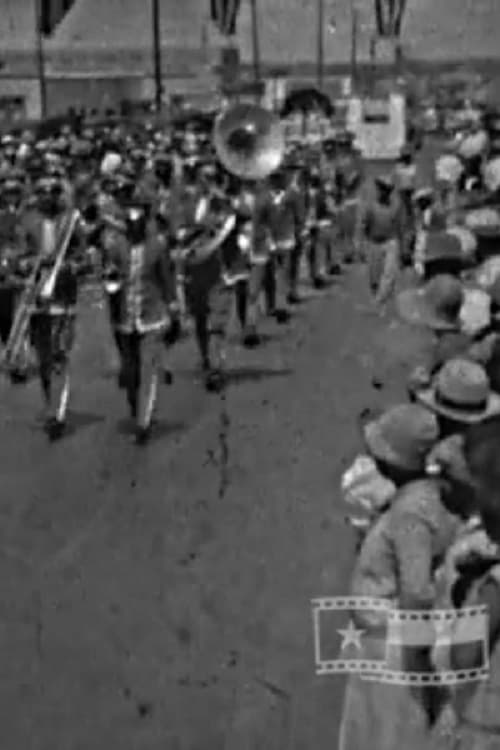
This collection of films, shot in the 1920s by longtime Corpus Christi resident Antonio Rodríguez Fuentes, may well represent some of the earliest produced by a Mexican-American filmmaker about the Mexican-American community in Texas. In the home movie footage, Fuentes captures not only his family but also parades featuring local Mexican-American civil-rights organizations, including the Order of Sons of America and the Obreros y Obreras. Antonio and his wife Josefina were both heavily involved in early Corpus Christi Mexican-American community groups and the social network that these clubs comprised. The couple was also related to numerous local individuals, including Andres De Luna, one of the founders of the League of United Latin American Citizens. This collection comes to TAMI via the Mary and Jeff Bell Library at Texas A&M Corpus Christi.
1929

1928
1929

1928

1938
2002
1995
2016
No reviews yet. Be the first to share your thoughts on this movie!
Use the rating form above to leave a star rating and optional review.