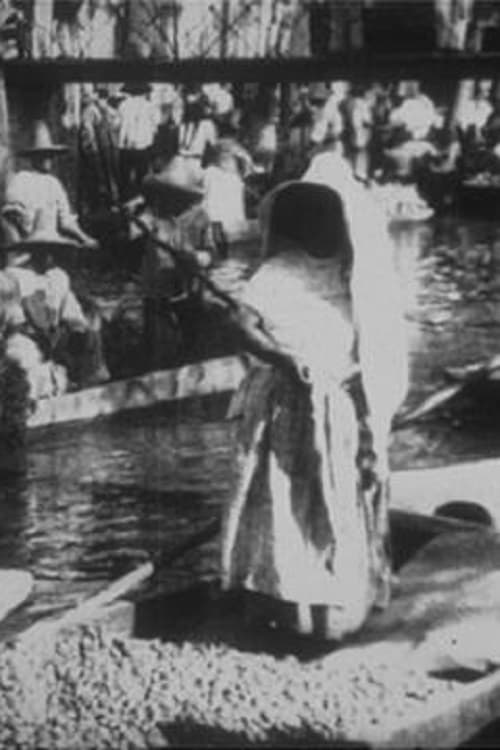
Marche Indien sur le canal de la Viga
1896
No user ratings available yet
Representation score: 2.0 out of 10
Representation Score
Minimal
1896
Director
Gabriel Veyre
Runtime
1 minutes
Average Rating
No ratings yetNew Showbiz Analysis
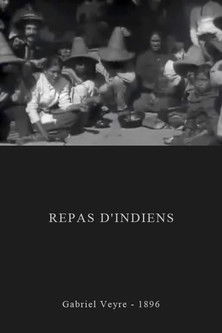
Repas d'indiens stands out as a significant historical document by highlighting Indigenous populations during a time when Western cinema was largely centered on white subjects. By featuring Native Mexican people prominently, it marks an important instance of racial inclusion that sets it apart from many early films. However, the film is limited by the ethnographic conventions of the 1890s. It does not have the intentionality of modern storytelling that explores complex identities and social structures. While it provides visibility, it does not actively challenge the social hierarchies of its time.
Category Breakdown
The film does not include any representation of non-binary gender identities or same-sex relationships. Its short vignettes do not provide enough depth to explore these topics.
It is hard to identify specific gender hierarchies due to the film's short length. The portrayal adheres to traditional gender norms without challenging these roles or giving characters significant influence.
The film focuses on Native Mexican people, offering a historical shift from Eurocentric cinema. Despite using period-specific ethnographic clichés, it maintains a predominantly non-white, non-Anglo-Saxon cast.
This documentary-like observation captures a specific cultural meal. However, it lacks the depth to examine Western institutions or subjective moral complexities.
There is no visible representation of neurodivergence or physical disabilities within the film.
Present on Screen
Limited or Absent
Official Synopsis
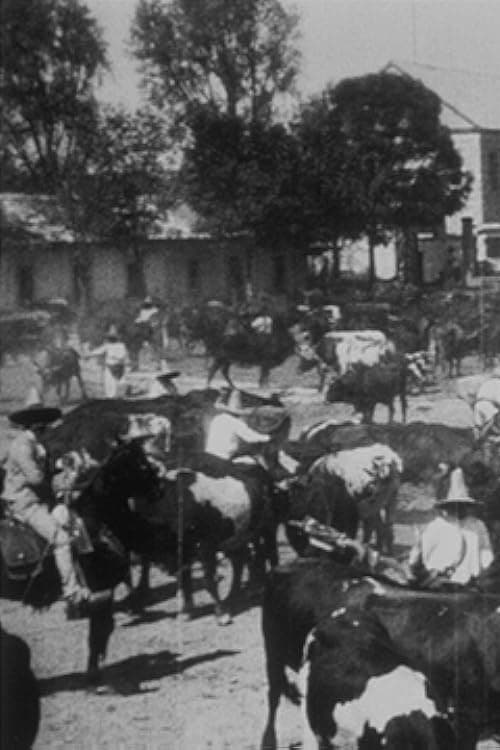
Native Mexican people grouped in front of the camera.
1896
1896

1896
1896
1899
1898
1900
1896
No reviews yet. Be the first to share your thoughts on this movie!
Use the rating form above to leave a star rating and optional review.