
Riding a Tricycle
1928
No user ratings available yet
Representation score: 5.8 out of 10
Representation Score
Limited
1929
Director
Josefina Barrera Fuentes, Antonio Rodríguez Fuentes
Runtime
1 minutes
Average Rating
No ratings yetNew Showbiz Analysis
This 1929 home movie serves as a vital historical document of Mexican-American community life in Corpus Christi. Its value lies in its grassroots documentation of ethnic ability to act during an era of mainstream exclusion. The film captures the intersection of Mexican-American social structures and traditional American civic celebrations. However, it is a spontaneous recording of a parade rather than a constructed narrative. Consequently, it lacks intentionality regarding social subversion or specific representation of LGBTQ+ and disabled individuals.
Category Breakdown
The footage focuses entirely on the public spectacle of a civic parade. There are no visible LGBTQ+ characters or narratives present in this historical record.
Josefina Barrera Fuentes's directorial credit is significant for 1929, offering a non-traditional lens on community documentation. However, the parade itself lacks specific analysis of gendered power dynamics.
The film offers a nuanced view of Mexican-American society participating in a mainstream American celebration. It provides essential visibility of ethnic identity within early 20th-century archives.
The work documents a traditional Western institution through the lens of community cohesion. It functions as a historical artifact rather than a critique of cultural norms.
There is no documented evidence regarding the portrayal of individuals with disabilities within this footage.
Present on Screen
Limited or Absent
Official Synopsis
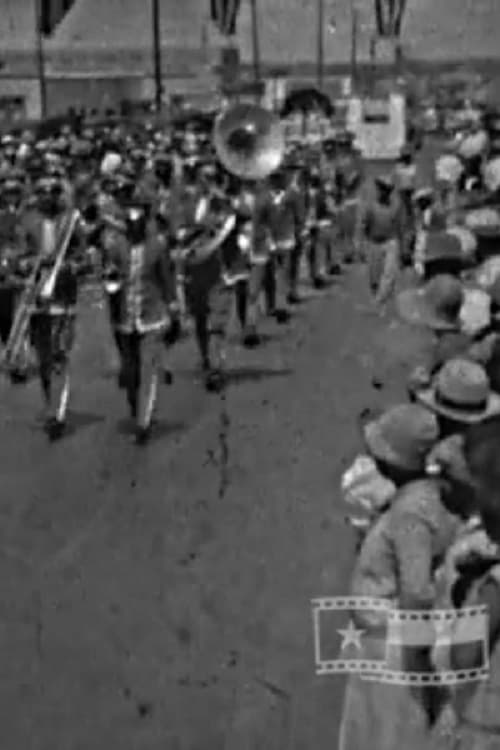
This home movie, shot by longtime Corpus Christi resident Antonio Rodríguez Fuentes, captures the Fourth of July parade through downtown Corpus Christi in 1929. The footage provides insight into the early construction of parade floats, with many adopting a boxy appearance and featuring limited decoration. Fuentes and his wife Josefina were active members of the city's Mexican-American society, participating in several community organizations.
1928
1928
1929

1928

1938
1934
1995
![Movie poster for Carnaval, [I]](https://image.tmdb.org/t/p/w500/8CLzi6Y6t9XO0oVtXB6cSJxICEv.jpg)
1897
No reviews yet. Be the first to share your thoughts on this movie!
Use the rating form above to leave a star rating and optional review.