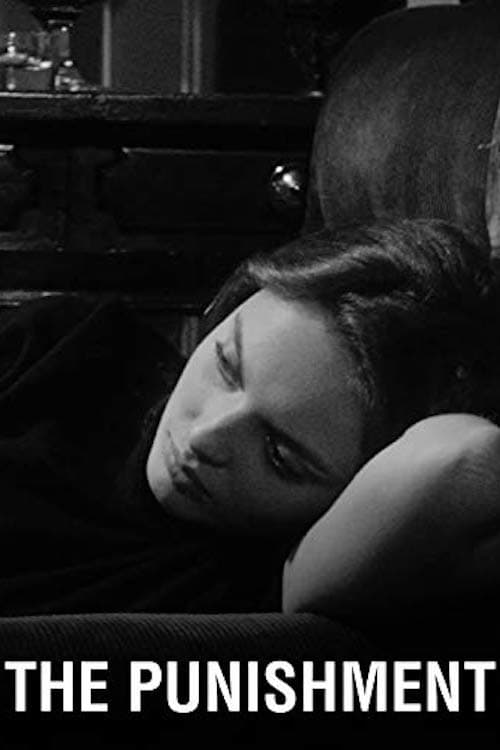
The Punishment
1962
No user ratings available yet
Representation score: 5.2 out of 10

Representation Score
Fair
1964
Director
Jean Rouch
Runtime
25 minutes
Average Rating
No ratings yetNew Showbiz Analysis
Jean Rouch’s documentary offers a significant sociological study of adolescent femininity. By focusing on the intellectual and emotional ability to act of teenage girls, the film challenges traditional male-centric cinematic conventions and developmental clichés. However, the film is confined by its specific historical and geographic context. Its focus on an affluent, predominantly white Parisian district limits racial diversity, and it does not address LGBTQ+ identities explicitly. Overall, the film succeeds as an observational piece that values the subjective experiences of its subjects, despite the lack of broad diversity.
Category Breakdown
The film does not include any obvious representations of LGBTQ+ identities. However, the vérité style captures authentic social interactions, though it does not explicitly show queer characters.
The documentary focuses entirely on teenage girls and their perspectives on growing up and relationships. By highlighting their experiences, it shifts the focus away from male-dominated narratives.
Set in Paris's wealthy 16th arrondissement, the film reflects the area's predominantly white population. There are no characters of color with significant roles, nor is there any effort to include diverse racial backgrounds.
The documentary emphasizes personal experiences and secular themes rather than religious traditions. It focuses on leisure activities and social interactions, avoiding traditional religious or cultural institutions.
There is no indication of physical or cognitive disabilities represented in this documentary.
Present on Screen
Limited or Absent
Official Synopsis
Filmed in Paris in 1964, this documentary short follows two fifteen-year-old girls from the city’s 16th arrondissement as they move through leisure, conversation, and social encounters. The film records their views on adulthood, relationships, and the future, capturing a moment of transition between adolescence and adult life.
1962
1956
1964
1962
1968

1961

1974

1994
No reviews yet. Be the first to share your thoughts on this movie!
Use the rating form above to leave a star rating and optional review.