
Gun Town
1946
No user ratings available yet
Representation score: 1.6 out of 10
No Poster Available
Representation Score
Minimal
1931
PassedDirector
Robert J. Horner
Runtime
52 minutes
Average Rating
No ratings yetNew Showbiz Analysis
The film adheres to traditional Western genre conventions, emphasizing law, order, and the protection of ranching interests. It prioritizes conventional storytelling over nuanced or perspectives that reflect multiple aspects of identity. The narrative uses ethnic groups as plot devices rather than fully realized characters. By portraying a underrepresented group as a threat to be eliminated, the film reinforces the status quo of the 1930s. Overall, the work lacks complexity in its portrayal of gender, race, or identity, focusing instead on traditional themes and structures.
Category Breakdown
The film does not include any depictions of non-binary gender identities or same-sex relationships. It focuses on traditional Western narratives centered around law enforcement and ranching.
The story emphasizes traditional masculine roles such as the Marshal and the rancher. Physical endurance and competitive racing are used to highlight masculine strength and ability to act.
Indigenous people are portrayed as a narrative device for crimes committed by white smugglers. They are framed as a perceived threat rather than as fully developed characters.
The film upholds traditional frontier values and the protection of property. It supports established institutions like the Marshal's office without offering any critical examination.
There is no representation of human disabilities. While a horse is described as injured, there are no characters with visible or invisible disabilities given significant roles.
Present on Screen
Limited or Absent
Official Synopsis
Marshal Jack is sent, undercover, into the bad lands to clean up a gang of Indians who have been terrorizing the local ranchers. Horses belonging to a ranch owner are stolen and the horse which was supposed to be in an endurance race is maimed. Jack is blamed for both deeds. He acquits himself and wins the race for The Colonel, after disclosing that the supposed band of Indians are a pack of white smugglers led by the ranch foreman.
1946
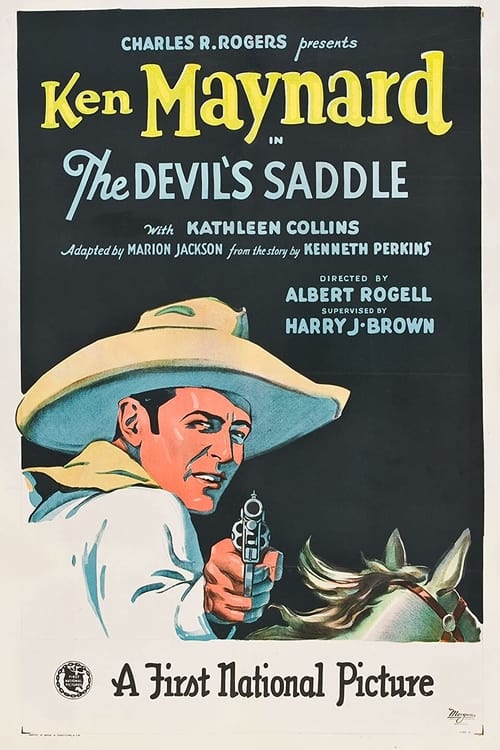
1927
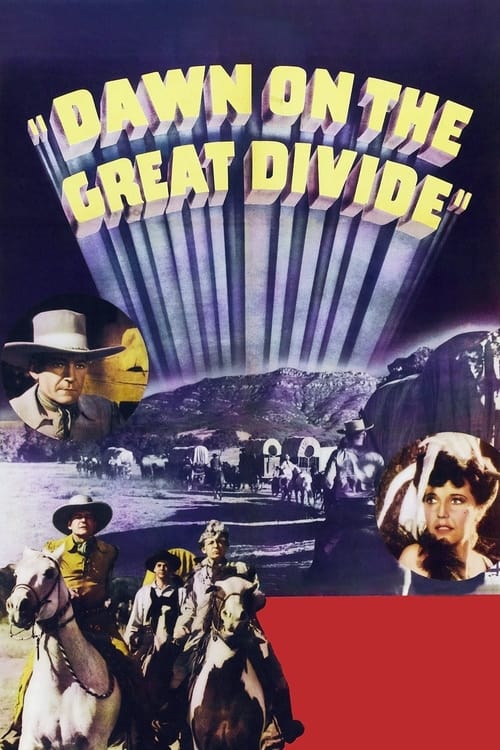
1942
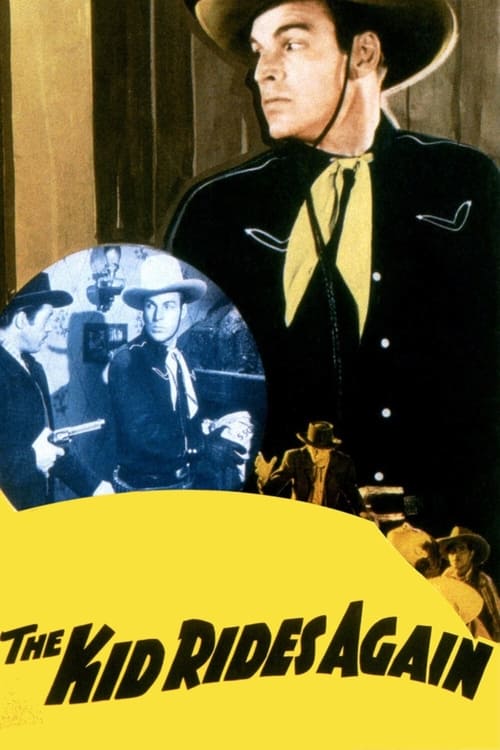
1943
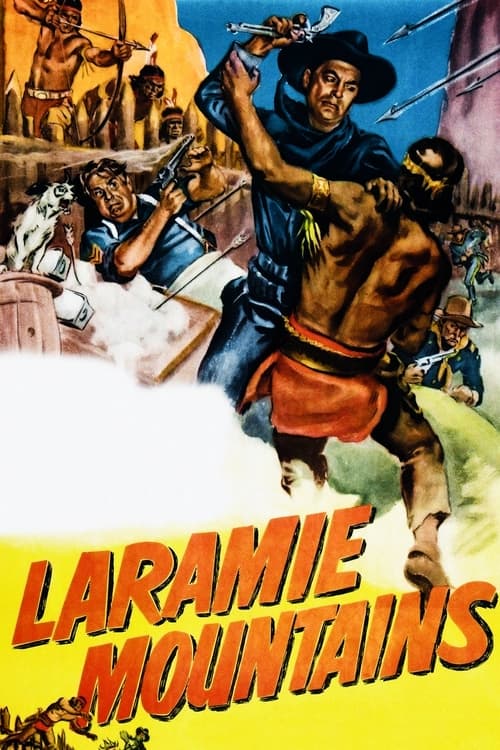
1952
1930
1935
1930
No reviews yet. Be the first to share your thoughts on this movie!
Use the rating form above to leave a star rating and optional review.