
Staircase
1969
No user ratings available yet
Representation score: 7.5 out of 10
Representation Score
Good
1968
RDirector
Robert Aldrich
Runtime
138 minutes
Average Rating
No ratings yetNew Showbiz Analysis
The film marks a radical shift from the sanitized domesticity of the late 1960s. By placing queer identity and women's ability to drive the story at the core of its structure, it challenges traditional norms. While it excels in subverting conventional gender and societal expectations, it remains constrained by its historical context. The lack of racial diversity and the use of alcoholism as a plot device rather than a nuanced study of disability limit its broader impact. Ultimately, the work stands as a significant exploration of social subversion, replacing moral absolutism with a gritty, psychological realism.
Category Breakdown
The film centers its dramatic tension around a lesbian relationship, avoiding simplistic clichés by exploring complex interpersonal dynamics and intimacy.
The narrative overturns traditional gender roles by eliminating male influence entirely. Women take charge of the conflict through professional competition, ambition, and assertive self-interest.
Set in London, the film features a predominantly white, Anglo-Saxon cast. There is a noticeable absence of visible racial or ethnic diversity within this specific theatrical setting.
The story employs moral relativism, rejecting traditional archetypes for situational ethics. It critiques professional success and deconstructs idealized Western domesticity through portrayals of dysfunction.
Themes of psychological instability and chronic alcoholism drive the narrative tension. However, these elements emphasize personal decline rather than a nuanced exploration of lived experience.
Present on Screen
Limited or Absent
Official Synopsis
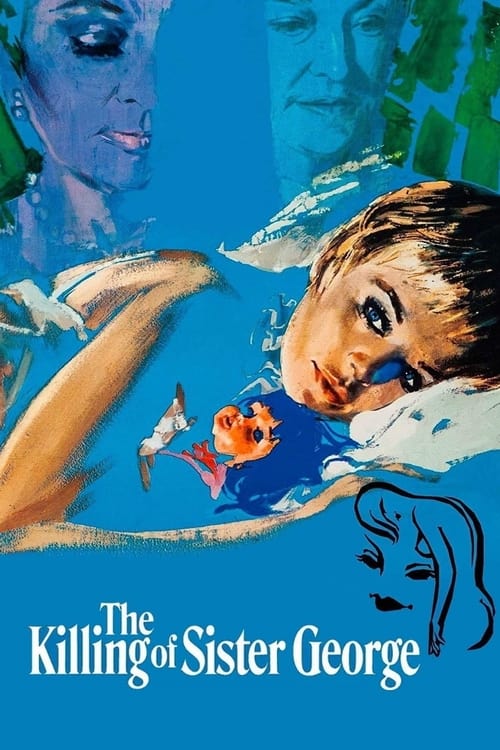
When June Buckridge arrives at her London flat and announces 'They are going to murder me', her long-time lover and doll-cuddling flat mate Alice 'Childie' McNaught realizes that things are going to change. For June is referring to her character 'Sister George', a lovable nurse she portrays in a popular daytime serial. To make matters worse, the widowed executive at the BBC responsible for the decision to kill off Sister George - Mercy Croft is also a predatory lesbian who is after Childie and will stop at nothing to get what she wants.
1969

1969
1972

1970

1982

1969

1968

1987
No reviews yet. Be the first to share your thoughts on this movie!
Use the rating form above to leave a star rating and optional review.