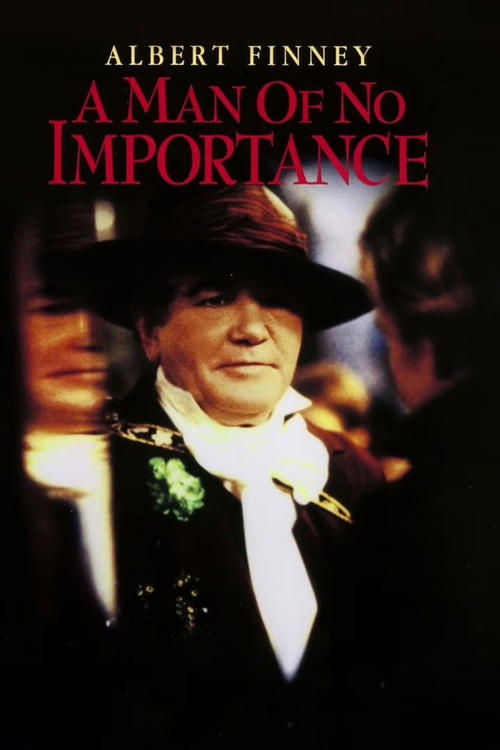
A Man of No Importance
1994
No user ratings available yet
Representation score: 5.9 out of 10

Representation Score
Good
1969
RDirector
Stanley Donen
Runtime
96 minutes
Average Rating
No ratings yetNew Showbiz Analysis
Staircase is a landmark piece of period cinema that disrupts 1960s cinematic norms by centering queer domesticity. Instead of using the central relationship as a plot device, the film explores aging and legal oppression through it. The film's strength lies in its refusal to caricature its protagonists, granting them a significant role in driving the story and emotional complexity. It successfully challenges the era's traditional gaze by placing underrepresented identities at the heart of the narrative. While the film excels in LGBTQ+ representation, it remains limited by a homogeneous cast and a lack of women's ability to drive the story. It functions primarily as an intimate, male-centric character study within a specific historical context.
Category Breakdown
The film centers entirely on a same-sex romantic partnership, offering a rare exploration of queer intimacy and domestic life in 1969. By focusing on the couple's long-term volatility and legal vulnerabilities, it provides profound emotional depth.
The narrative focuses on a male-centric domestic space, offering a subtle deconstruction of masculine stability through emotional vulnerability. However, the lack of significant female character's ability to drive the story limits the scope of gender representation.
Set in London's East End, the cast is largely homogeneous and reflects the demographic realities of the era. The story remains focused on the specific identity struggles of its white protagonists.
The film offers a sophisticated critique of social and legal institutions, framing the state as a source of potential persecution. It prioritizes the lived experiences of underrepresented groups over institutional morality.
The story focuses on psychological and emotional states rather than physical or neurodivergent disabilities. There is no prominent depiction of disability within the primary character arcs.
Present on Screen
Limited or Absent
Official Synopsis
An aging gay couple owns a barber shop in the East End of London. One of them is a part-time actor about to go on trial for propositioning a police officer. The action takes place over the course of one night as they discuss their loving but often volatile past together and possible future without each other.
1994
1969
1968

1989
1969
1988
2017
1978
No reviews yet. Be the first to share your thoughts on this movie!
Use the rating form above to leave a star rating and optional review.