Memory of the Camps
1985
No user ratings available yet
Representation score: 6.6 out of 10
Representation Score
Excellent
2021
Director
Kamil Kulczycki
Runtime
50 minutes
Average Rating
No ratings yetNew Showbiz Analysis
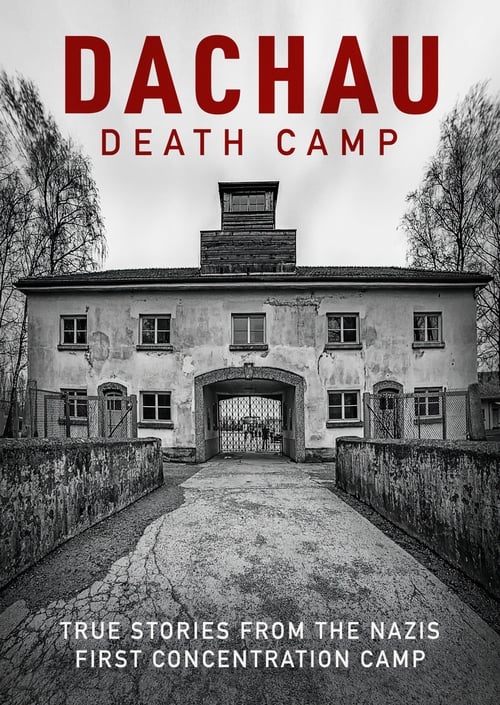
Dachau: Death Camp serves as a crucial piece of restorative media. Through interviews with survivors and their descendants, the film restores ability to act to those historically silenced by dominant power structures. It shifts the focus from oppressors to victims. The documentary challenges traditional historical hierarchies through testimonial truth. It offers a nuanced look at how institutionalized cruelty affects the human spirit and the physical body. While the film does not employ modern fictional subversion, its dedication to centering underrepresented voices through primary source testimonies provides a necessary counterpoint to official state narratives.
Category Breakdown
The film focuses on historical documentation and includes survivor testimonies that may touch on queer identities, but the main emphasis is on the systemic harm experienced by various groups.
By highlighting the personal experiences of survivors and their families, the film challenges traditional patriarchal histories. It emphasizes the individual stories of women and non-combatants over military figures.
The documentary highlights the experiences of underrepresented ethnic groups targeted by the Nazi regime. It transforms victims from passive statistics into active storytellers of their own survival.
The film critiques extreme nationalism by prioritizing human rights over nationalist myths. It uses survivor testimonies to dismantle oppressive state narratives from the 1940s.
The narrative addresses the physical and mental trauma caused by systemic violence. It handles the long-term impacts on the human body and mind with dignity rather than sensationalism.
Present on Screen
Limited or Absent
Official Synopsis
Interviews with those who were there and their family members. A Unique insight into the Nazi's first Concentration Camp.
1985
1998

1945
1985
2003

2018

2024
2017
No reviews yet. Be the first to share your thoughts on this movie!
Use the rating form above to leave a star rating and optional review.