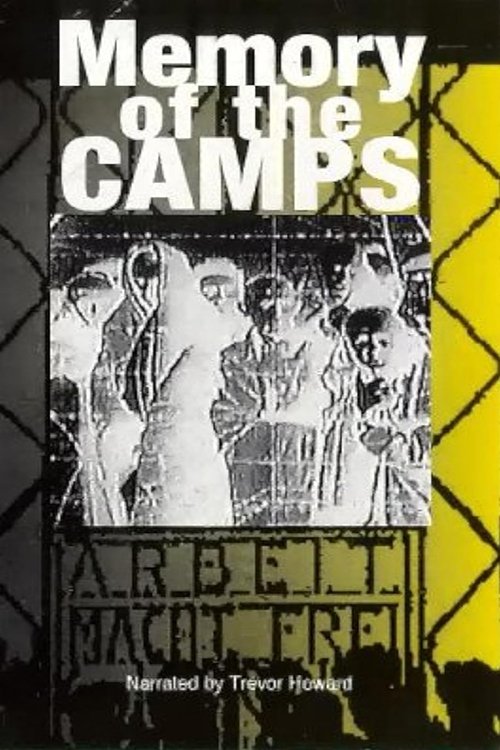
Memory of the Camps
1985
No user ratings available yet
Representation score: 6.6 out of 10
Representation Score
Excellent
2017
Director
Sidney Bernstein
Runtime
75 minutes
Average Rating
No ratings yetNew Showbiz Analysis
This restoration is a monumental piece of documentary filmmaking that forces a direct confrontation with systemic evil. It uses raw, unfiltered footage to challenge the structures of power that enabled such atrocities. The film's strength lies in its refusal to sanitize the past. By documenting the victims of systemic oppression, it provides a powerful historical record that disrupts conventional narratives. However, the grim nature of the subject matter influences the diversity scores. The focus remains on the broad impact of systemic oppression rather than individual identity-based stories.
Category Breakdown
The film serves as a documentary record of the Holocaust. While it implicitly addresses the persecution of LGBTQ+ individuals, specific depictions of queer identity may be secondary to the broader documentation of state-sponsored violence.
The film highlights how traditional gender roles were weaponized or stripped away within camp systems. It provides a nuanced view of female survivors and gendered suffering, though it lacks individual gender-based character arcs.
The narrative prioritizes the experiences of those underrepresented by white-supremacist ideology. By centering the victims of the Nazi regime, the footage archives the human cost of racial and ethnic hierarchy.
The film functions as a profound critique of ultra-nationalism and xenophobic ideologies. It deconstructs the 'civilized' Western veneer used to mask systemic atrocity and institutionalized cruelty.
The documentary captures the physical and psychological devastation inflicted upon individuals. It documents the intersection of state violence and trauma, though it risks the spectacle of suffering inherent in war documentation.
Present on Screen
Limited or Absent
Official Synopsis
On the 29th September 1945, the incomplete rough cut of a brilliant documentary about concentration camps was viewed at the MOI in London. For five months, Sidney Bernstein had led a small team – which included Stewart McAllister, Richard Crossman and Alfred Hitchcock – to complete the film from hours of shocking footage. Unfortunately, this ambitious Allied project to create a feature-length visual report that would damn the Nazi regime and shame the German people into acceptance of Allied occupation had missed its moment. Even in its incomplete form (available since 1984) the film was immensely powerful, generating an awed hush among audiences. But now, complete to six reels, this faithfully restored and definitive version produced by IWM, is being compared with Alain Resnais’ Night and Fog (1955).
1985

1985

1945
1998
2021
2018
1974
1962
No reviews yet. Be the first to share your thoughts on this movie!
Use the rating form above to leave a star rating and optional review.