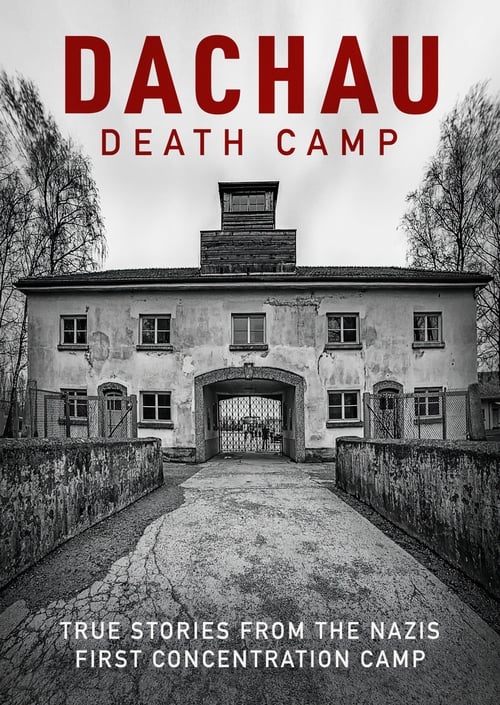
Dachau: Death Camp
2021
No user ratings available yet
Representation score: 8.7 out of 10

Representation Score
Good
2024
PG-13Director
Daniela Völker
Runtime
103 minutes
Average Rating
No ratings yetNew Showbiz Analysis
The documentary goes beyond typical historical biographies by using an intimate setting to explore the systemic impacts of the Holocaust. It effectively highlights power dynamics through the lens of identity and inherited responsibility. The film provides a sophisticated look at how historical atrocities affect descendants by focusing on the 'sins of the father.' While it offers deep insights into ethnic and cultural identity, it lacks explicit representation of LGBTQ+ themes or specific physical disabilities.
Category Breakdown
The film does not include explicit LGBTQ+ characters or narratives. It focuses on the historical intersection of Holocaust survival and the legacy of perpetrators.
The documentary centers on Anita Lasker-Wallfisch's role in confronting the past within her personal space. This approach challenges traditional narratives that often prioritize male combatants.
The film explores ethnic identity by contrasting the experiences of a Jewish prisoner with those of a perpetrator's descendant. It looks at how systemic oppression is passed down through generations.
The narrative avoids simplistic moral judgments, instead examining the 'hereditary burdens' of the protagonists. It challenges conventional Western historical narratives through a nuanced discussion of historical justice.
While physical disabilities are not detailed, the film addresses the psychological trauma caused by systemic violence. It examines intergenerational trauma as an invisible mental health issue.
Present on Screen
Limited or Absent
Official Synopsis
While Hans Jurgen Höss enjoyed a happy childhood in the family villa at Auschwitz, Jewish prisoner Anita Lasker-Wallfisch was trying to survive the notorious concentration camp. At the heart of this film is the historic and inspiring moment – eight decades later – when the two come face-to-face. This is the first time the descendant of a major war criminal meets a survivor in such a private and intimate setting, Anita’s London living room. Together with their children, Kai Höss and Maya Lasker-Wallfisch, the four protagonists explore their very different hereditary burdens.
2021
1998
2010

2021
1985
2000

2003

2023
No reviews yet. Be the first to share your thoughts on this movie!
Use the rating form above to leave a star rating and optional review.