
Boogie Woogie
1945
No user ratings available yet
Representation score: 0.3 out of 10
Representation Score
Minimal
1953
ApprovedDirector
Don Weis
Runtime
71 minutes
Average Rating
No ratings yetNew Showbiz Analysis
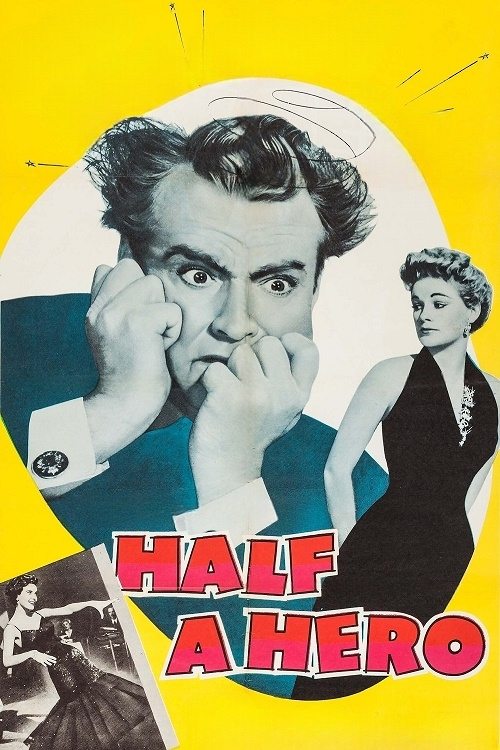
Half a Hero is a product of its time, functioning as a conventional mid-century comedy focused on the transition to suburbia. The narrative reinforces traditional social hierarchies and domestic structures of the 1950s. The film lacks complexity in representing multiple aspects of identity, instead validating the era's prevailing social norms. It upholds the standard view of the American Dream centered on the nuclear family and homogeneous communities. Overall, the film does not challenge established norms or hierarchies, making it a typical example of mainstream studio storytelling from its period.
Category Breakdown
The film follows the conventions of 1953 cinema, focusing on heterosexual relationships and ignoring non-traditional sexual orientations or gender identities.
The plot centers around a man relocating his family to the suburbs, reinforcing mid-century domestic roles. Female characters have limited influence in driving the main storyline.
The film likely mirrors the demographic norms of the 1950s, with a focus on the era's racial status quo and no indication of diverse casting.
The story highlights the 'American Dream' through suburban migration, validating traditional Western institutions like the nuclear family without offering a critical perspective.
The narrative does not feature neurodivergent or physically disabled characters, nor does it integrate disability into the storyline.
Present on Screen
Limited or Absent
Official Synopsis
A man moves his family from the big city to the suburbs.
1945
1963
1934
1954

1947
1958
1939
1943
No reviews yet. Be the first to share your thoughts on this movie!
Use the rating form above to leave a star rating and optional review.