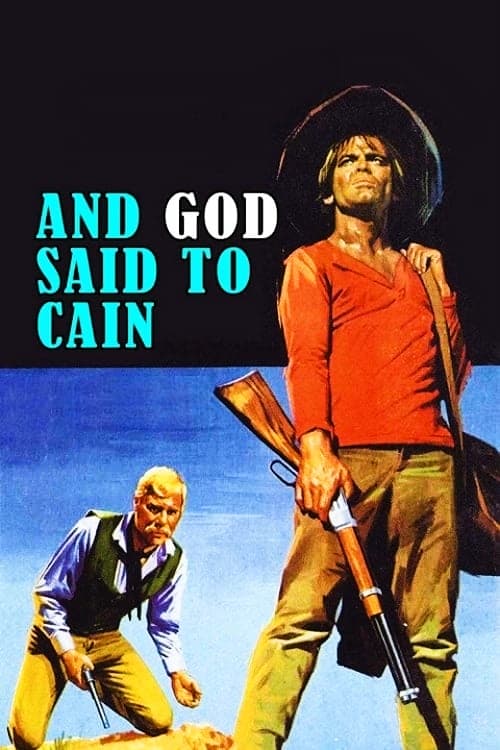
And God Said to Cain
1970
No user ratings available yet
Representation score: 1.0 out of 10
Representation Score
Minimal
1968
PGDirector
Tonino Cervi
Runtime
95 minutes
Average Rating
No ratings yetNew Showbiz Analysis
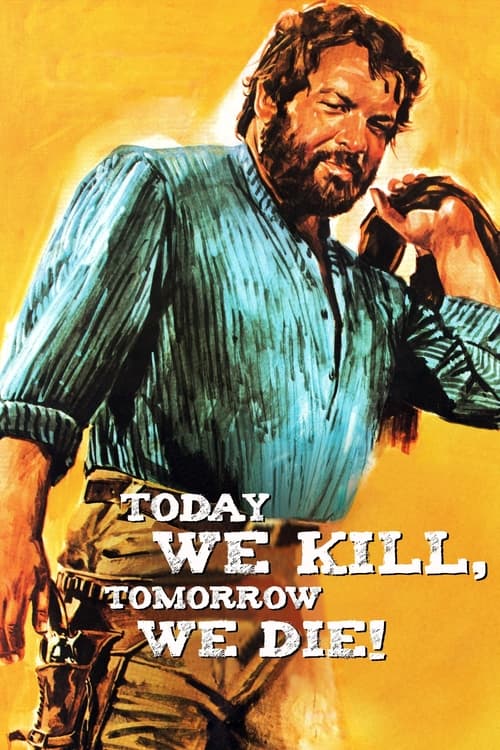
Today We Kill, Tomorrow We Die! is a quintessential Spaghetti Western that prioritizes genre clichés over social critique. The film centers on masculine themes of revenge and survival, reinforcing the demographic hierarchies common to 1960s action cinema. While the film explores moral ambiguity and the breakdown of formal legal institutions, these themes serve the individualistic grit of the genre rather than broader socio-political critique. The cast and character dynamics remain largely homogeneous, offering little representation of diverse identities or underrepresented groups.
Category Breakdown
The film adheres to a traditional framework that assumes everyone is straight and cisgender. There are no non-assuming gender matches what was assigned at birth gender identities or same-sex relationships.
The story is primarily driven by male characters. Women have limited roles and do not challenge patriarchal structures.
The production reflects the homogeneous casting patterns typical of mid-century European Westerns. It lacks significant non-white characters in positions of narrative importance.
The story focuses on personal vendettas and moral relativism, avoiding systemic critiques of institutions. It emphasizes the lawlessness typical of the genre.
There are no characters with visible or invisible disabilities. Disability is not used to develop characters.
Present on Screen
Limited or Absent
Official Synopsis
A man, released after a jail term for a crime he did not commit, raises a gang to go after the man who framed him.
1970
1972
1971
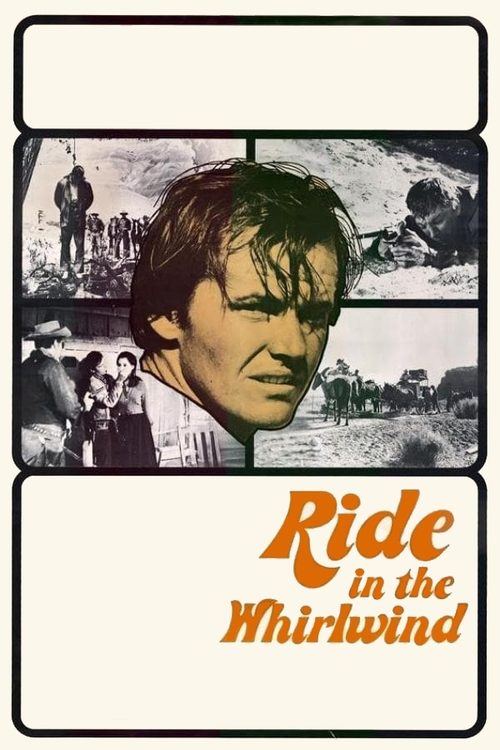
1966
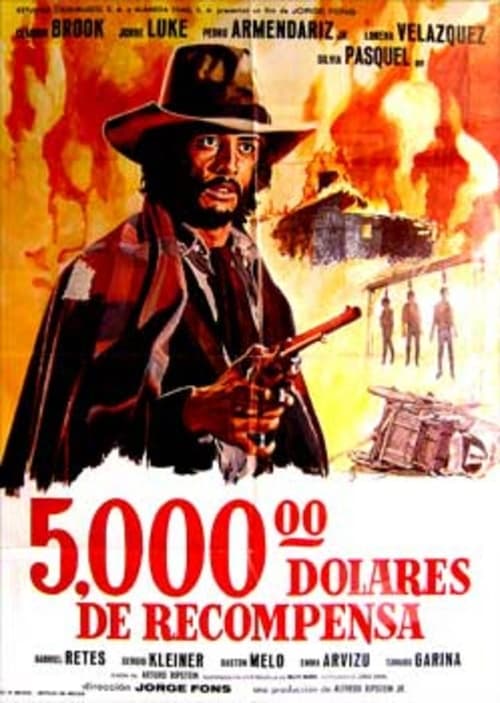
1974
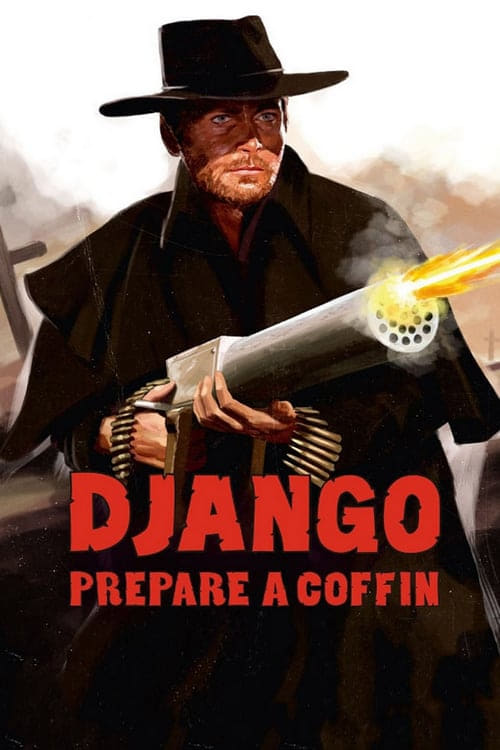
1968
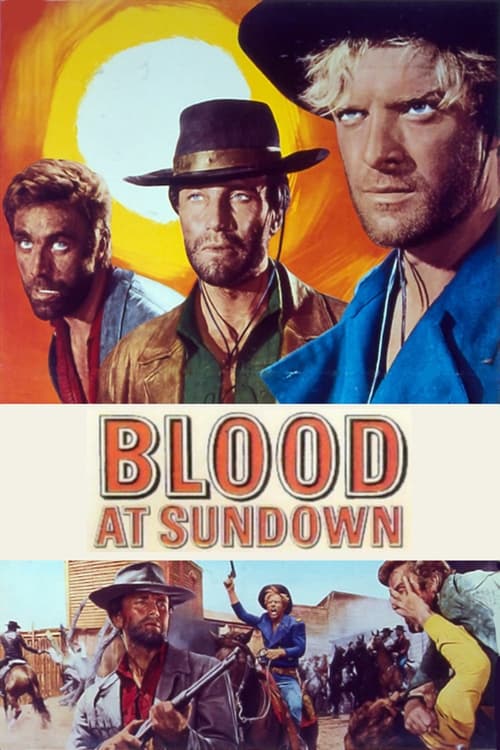
1966
1968
No reviews yet. Be the first to share your thoughts on this movie!
Use the rating form above to leave a star rating and optional review.