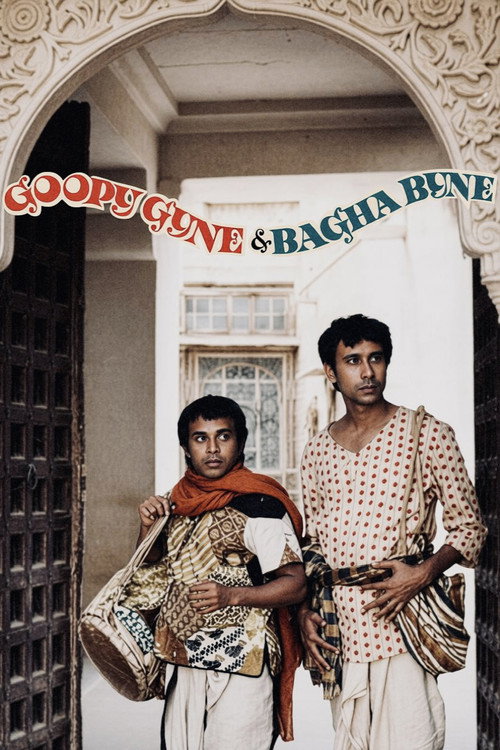
Goopy Gyne Bagha Byne
1969
No user ratings available yet
Representation score: 4.6 out of 10
Representation Score
Good
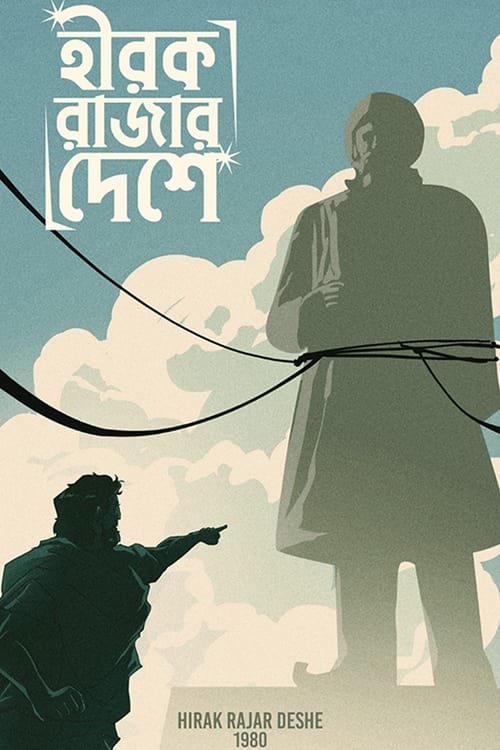
1980
Not RatedDirector
Satyajit Ray
Runtime
118 minutes
Average Rating
No ratings yetNew Showbiz Analysis
Satyajit Ray’s work functions as a sophisticated allegory for dismantling systemic oppression. By framing the absolute ruler as a tyrannical force, the film celebrates individual empowerment against corrupt institutions. The film excels in its cultural positioning, offering a non-Western framework that challenges traditional cinematic norms. Its use of magical realism serves as a tool for social critique rather than mere escapism. While the film successfully subverts masculine power structures, it lacks specific representation regarding LGBTQ+ identities or disability. The focus remains primarily on the socio-political struggle against autocracy.
Category Breakdown
The film does not explicitly depict LGBTQ+ identities, maintaining a neutral stance on these issues. However, the satirical genre often challenges social norms, even if it doesn't directly address queer identities.
The story challenges traditional hierarchies by highlighting the disruption of tyranny. The inclusion of a school teacher as a catalyst suggests a shift toward intellectual empowerment over brute force.
As a work of Indian cinema, the film provides a vital non-Western perspective. It disrupts Anglo-centric norms by prioritizing indigenous storytelling traditions and local folklore.
The narrative offers a strong critique of absolute power and institutional corruption. It uses magical realism to favor communal involvement and subjective morality over rigid, autocratic rule.
There is no evidence within the narrative regarding the portrayal of physical or neurodivergent disabilities.
Present on Screen
Limited or Absent
Official Synopsis
When Goopy and Bagha learn about Hirak Raja's tyranny, they try to set him right with the help of Udayan, a school teacher, and their magical powers.
1969
1970
1958
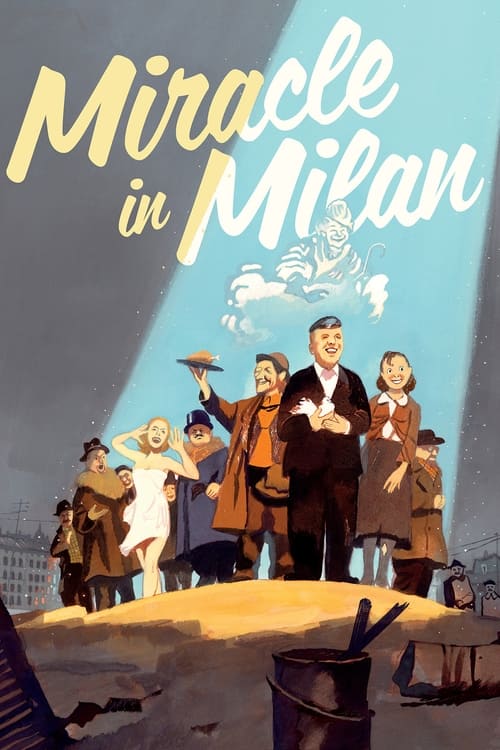
1951
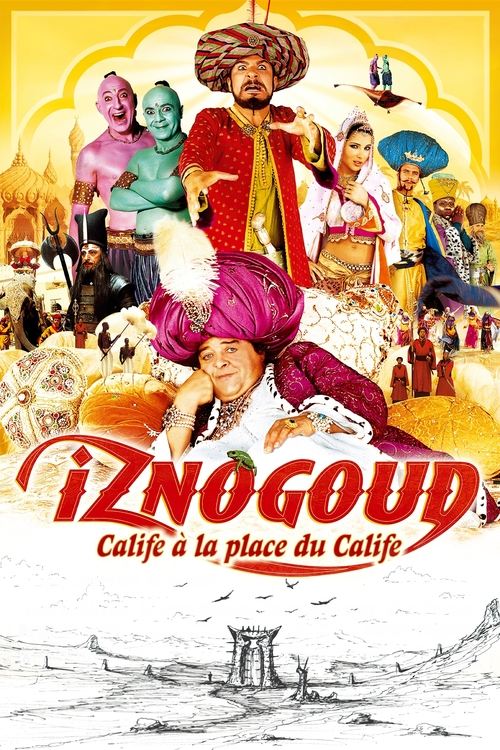
2005
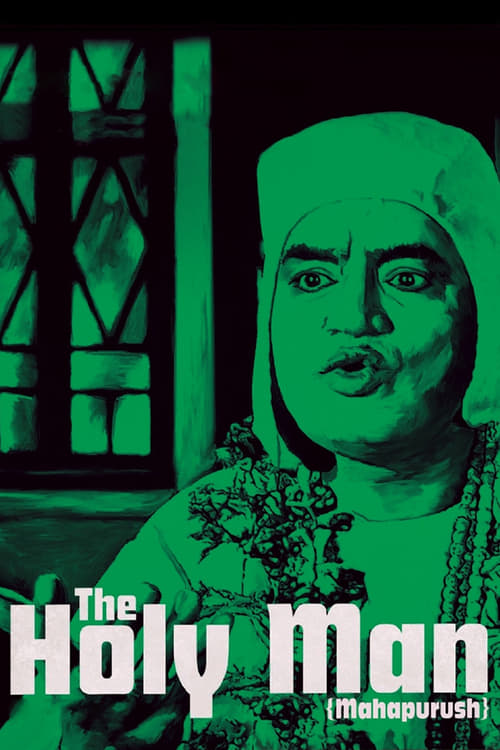
1965

2016
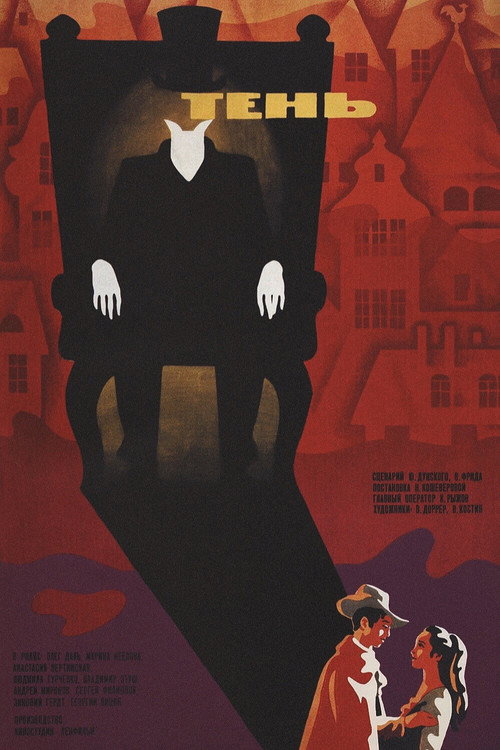
1971
No reviews yet. Be the first to share your thoughts on this movie!
Use the rating form above to leave a star rating and optional review.