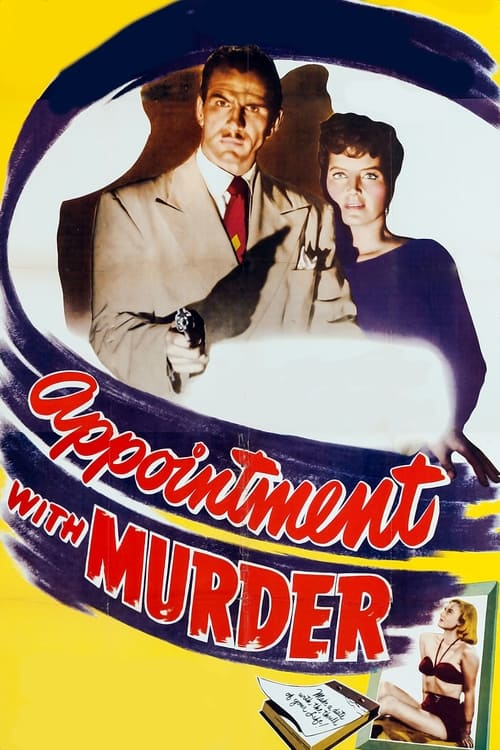
Appointment with Murder
1948
No user ratings available yet
Representation score: 0.4 out of 10
Representation Score
Limited
1948
ApprovedDirector
John F. Link Sr.
Runtime
64 minutes
Average Rating
No ratings yetNew Showbiz Analysis
Devil's Cargo is a standard mystery procedural that prioritizes genre-driven stability over challenging social norms. As a Poverty Row production from 1948, it follows a formulaic structure designed for mass appeal through familiar clichés. The film reinforces the traditional hierarchies of its era. The focus remains on a singular male detective, leaving little room for diverse character perspectives. Ultimately, the production reflects the conservative cinematic standards of the late 1940s, favoring established social norms over narrative experimentation.
Category Breakdown
The film adheres to strict mid-century standards that assume everyone is straight or cisgender. There is no evidence of narratives or identities that challenge traditional social structures.
The narrative centers on the male protagonist as the main driver of action. Female characters likely play supporting roles or serve as subjects of the mystery.
Casting reflects the homogeneous demographic norms of 1948. There is no indication of significant non-white involvement in the central plot.
The story operates within traditional Western mystery frameworks. It emphasizes established social orders and moral clarity rather than exploring moral ambiguity.
There is no evidence of neurodivergent or physically disabled characters having significant control over their situations. Physical ailments in this era often served as mere plot devices.
Present on Screen
Limited or Absent
Official Synopsis
John Calvert takes over as the Falcon in this Poverty-Row continuation of the film series.
1948
1946
1947

1946
1946
1940
1942

1940
No reviews yet. Be the first to share your thoughts on this movie!
Use the rating form above to leave a star rating and optional review.