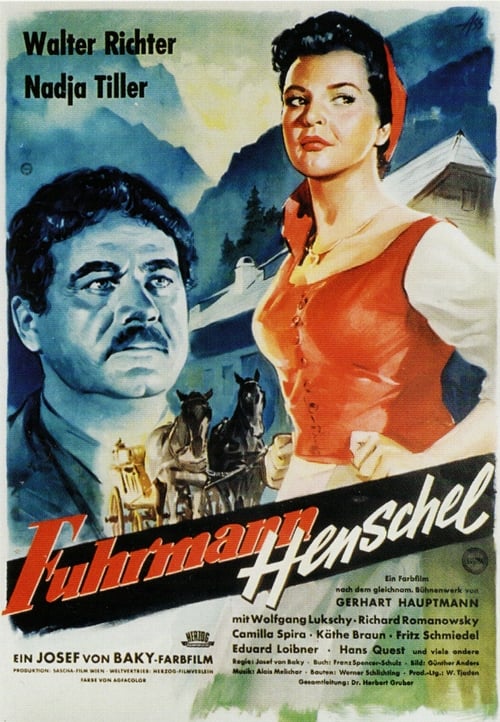
Fuhrmann Henschel
1956
No user ratings available yet
Representation score: 0.4 out of 10
Representation Score
Minimal
1958
Director
Veit Harlan
Runtime
92 minutes
Average Rating
No ratings yetNew Showbiz Analysis
Veit Harlan's 1958 drama is a product of its time, deeply rooted in the conservative and traditionalist frameworks of mid-century European cinema. The film reinforces established social hierarchies rather than challenging them, offering little in the way of multi-layered representation. The narrative structure focuses on conventional Western values and patriarchal structures. It lacks the representation of diverse racial, ethnic, or queer identities that characterize more modern, inclusive storytelling. Ultimately, the film serves as a reflection of the era's demographic homogeneity and rigid social norms, providing a standard mid-century experience with minimal disruption to the status quo.
Category Breakdown
The film does not include queer narratives or non-binary identities. It follows the traditional straight-centered assumptions common in 1958 German cinema.
The story relies on traditional gender roles, emphasizing patriarchal leadership and conventional feminine archetypes without challenging these roles.
The production reflects the homogeneous demographics of its era. There is no indication of diverse casting or non-white majority ensembles.
The story aligns with traditional Western institutions and moral values. It centers on conventional values rather than secularism or moral relativism.
There is no confirmed information about characters with disabilities. Historical context suggests any such figures would likely serve as mere plot devices.
Present on Screen
Limited or Absent
1956

1950
1938
1946
1944
1953
1953
1945
No reviews yet. Be the first to share your thoughts on this movie!
Use the rating form above to leave a star rating and optional review.