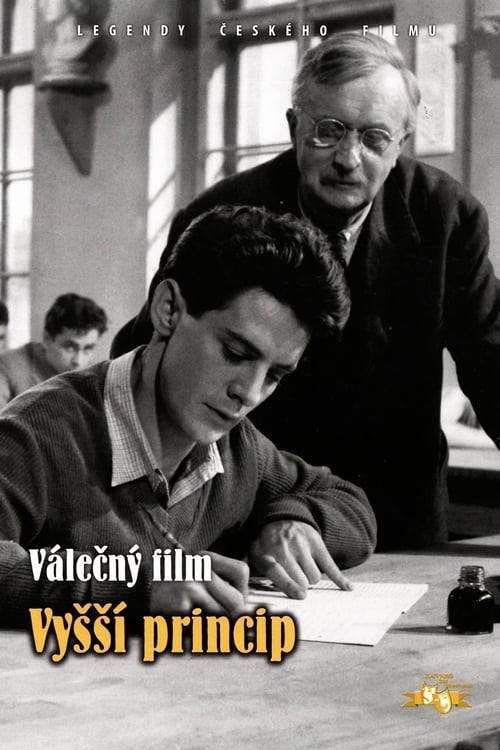
Higher Principle
1960
No user ratings available yet
Representation score: 5.6 out of 10
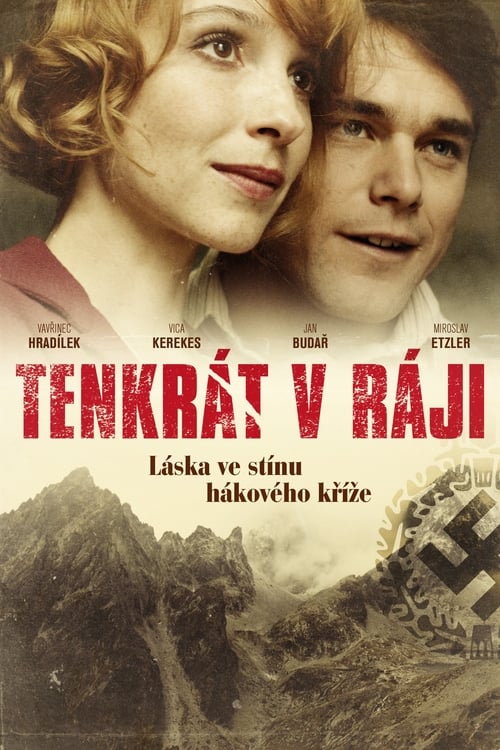
Representation Score
Fair
2016
Director
Peter Pálka, Daniel Krzywoń
Runtime
113 minutes
Average Rating
No ratings yetNew Showbiz Analysis
The film presents a 1945 Czech climbing expedition ending in Nazi execution. The central relationship is heterosexual, with the male lead portrayed as competent and the female lead as the emotional core. The cast is almost entirely Czech, with minimal racial diversity. The narrative treats national resistance and personal ambition as the primary drivers, without exploring LGBTQ+, disability, or broader cultural critiques. The mountain is a physical challenge, and the war provides the historical stakes.
Category Breakdown
No LGBTQ+ characters or same-sex romance appear. The central relationship is a heterosexual couple navigating personal and external pressures.
The male lead is framed as the competent, stoic climber, while the female lead serves as the emotional anchor. Their dynamic focuses on partnership under pressure rather than traditional hierarchy.
The cast is predominantly Czech, with one German actor in a supporting role. No significant focus on race, ethnicity, or colonial dynamics is present in the narrative.
The story centers on the Nazi execution of Czech climbers in 1945, treating national identity and resistance as moral virtues. The mountain serves as a natural challenge, not a political symbol.
No lasting impairment or disability is depicted as a central theme. Physical exertion and potential injury are part of the climbing context but do not form a disability narrative.
Present on Screen
Limited or Absent
Official Synopsis
The story of the dramatic fate of the Czech climber Josef speck and his comrades, executed by the Nazis in April 1945 in Theresienstadt.
1960
2015
2020
2016
2018

1943
1991
1987
No reviews yet. Be the first to share your thoughts on this movie!
Use the rating form above to leave a star rating and optional review.