The Bird Man
1935
No user ratings available yet
Diversity score: 1.7 out of 10
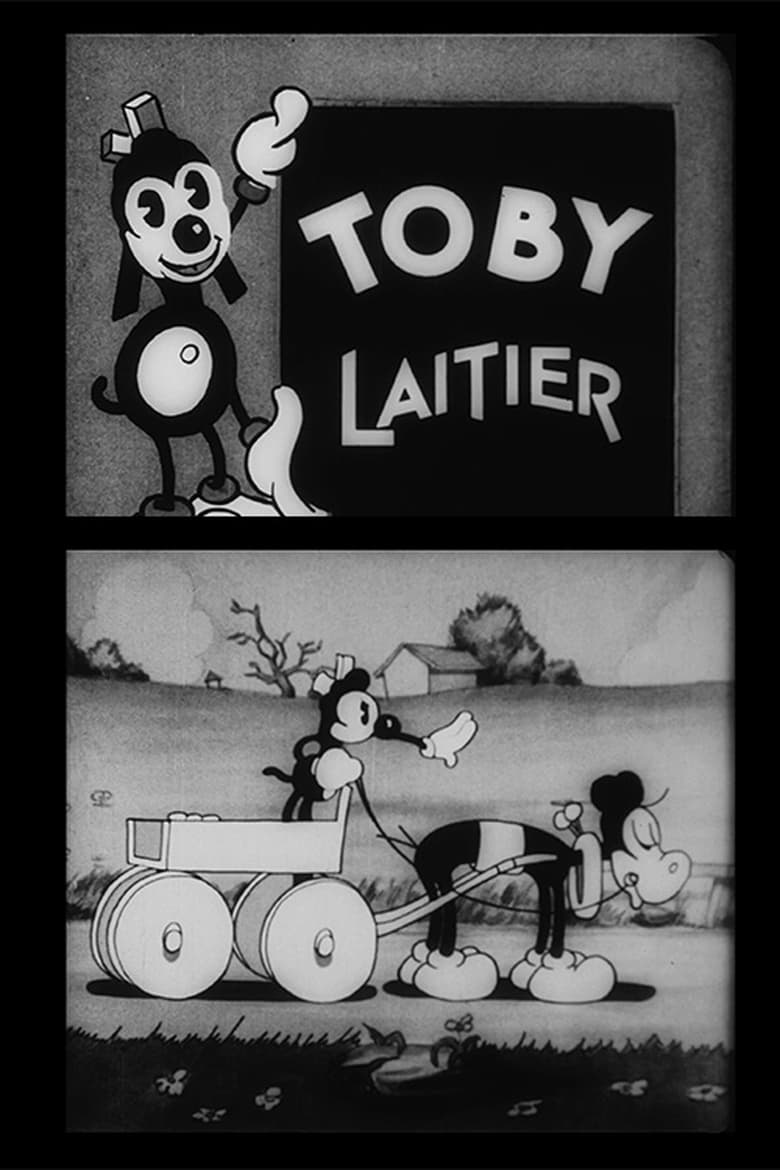
1931
Director
Dick Huemer
Runtime
7 minutes
Average Rating
No ratings yetSynopsis
Toby the Pup is a milkman and a partyman in this silly cartoon with everything you need from the '30s animation.
Overall Score
Minimal
Category Breakdown
LGBTQ+ Representation
The film contains no LGBTQ+ characters or narratives. It adheres to standard 1930s archetypes that lack non-cisnormative identities or same-sex romantic depictions.
Gender Representation
The story centers on a male protagonist, Toby the Pup, performing traditional labor. It operates within conventional gendered frameworks without providing nuanced female agency.
Racial & Ethnic Diversity
The work reflects the homogeneous casting typical of the 1931 studio era. It features white-coded or non-specific anthropomorphic characters that reinforce the period's status quo.
Religious & Cultural Diversity
The narrative celebrates traditional social roles like the milkman and partyman. It lacks any critique of Western institutions or systemic power dynamics.
Disability Representation
There is no evidence of characters with disabilities portrayed with agency. No specific usage of physical impairment as a comedic device is verified.
Strengths
Areas for Improvement
AI Analysis
The Milkman is a period-specific artifact that prioritizes slapstick comedy and situational absurdity over social commentary. As a product of 1931 animation, it functions as a standard short-form comedic cartoon centered on a singular protagonist. The film reinforces the social and cultural norms of the early 20th century rather than challenging them. It lacks the intersectional character depth or intentional subversion required for a more diverse narrative. Ultimately, the work serves as a traditional entertainment piece that follows the rhythmic, physical comedy style characteristic of the era's studio system.
1935

1935
1939
1929
1934
1933
1934
1931
1938
1930
1934
1933
No reviews yet. Be the first to share your thoughts on this movie!
Use the rating form above to leave a star rating and optional review.