Cologne: From the Diary of Ray and Esther
1939
No user ratings available yet
Representation score: 0.3 out of 10

Representation Score
Fair
1931
Director
Lynn Riggs
Runtime
29 minutes
Average Rating
No ratings yetNew Showbiz Analysis
A Day in Santa Fe acts as a regionalist impressionist snapshot of the early 1930s. It succeeds in capturing the unique, bohemian character of its setting, moving away from aggressive traditionalist homogeneity through its lyrical, documentarian lens. However, the film lacks explicit, identity-driven storytelling. It functions more as a cultural chronicle than a deliberate disruption of social hierarchies, providing atmosphere rather than progressive narrative ability to act. While the film captures the diverse textures of the Southwest, it does not provide documented evidence of specific representation for LGBTQ+ or disabled individuals.
Category Breakdown
The film captures a bohemian atmosphere reminiscent of an artistic enclave. While the setting suggests social fluidity, there is no explicit evidence of queer romantic arcs or non-straight identities.
The narrative functions as a communal chronicle rather than a study of patriarchal dominance. However, it lacks specific character arcs to demonstrate the subversion of traditional gender roles.
The documentarian approach captures the authentic textures of a region shaped by Indigenous and Hispanic influences. The film moves beyond a purely homogeneous lens to depict a diverse tapestry.
The film prioritizes atmospheric truth and lyrical sensitivity over rigid institutional morality. Its setting suggests a space favoring artistic expression over traditional Western or religious orthodoxy.
There is no mention of characters with visible or invisible disabilities within the available narrative context.
Present on Screen
Limited or Absent
Official Synopsis
“Riggs’s film poem conveys delight with his adopted hometown through a documentarian’s eye for significant detail, a lyrical sensitivity, and homespun humor. The film, too, serves as a chronicle of people and places of Santa Fe in the early 1930s, when it earned the epithet ‘Greenwich Village of the West.’” - William M. Butler
1939

1927

1928
1930
1931
1944
1925
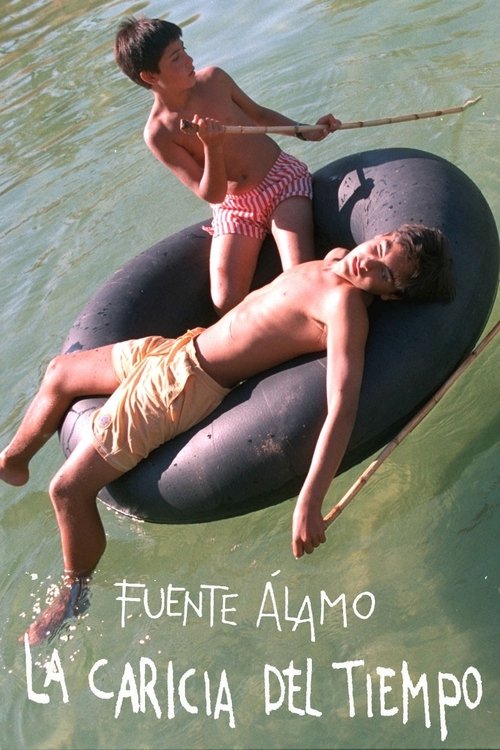
2001
No reviews yet. Be the first to share your thoughts on this movie!
Use the rating form above to leave a star rating and optional review.