We Live in Prague
1934
No user ratings available yet
Representation score: 1.2 out of 10
Representation Score
Minimal
1939
Director
Raymond Dowidat, Esther Dowidat
Runtime
14 minutes
Average Rating
No ratings yetNew Showbiz Analysis
This amateur documentary serves as a historical record of rural Midwestern life during the late Depression era. It preserves 1939 social norms rather than offering modern social commentary. The film reflects the demographic realities of its time, characterized by high ethnic homogeneity and traditional social hierarchies. It lacks the narrative structure needed to challenge or represent diverse identities. Ultimately, the work's value lies in its historical authenticity. It documents the status quo of a specific community rather than engaging with progressive social values.
Category Breakdown
The film does not include any LGBTQ+ characters or themes. It focuses on the Dowidat family's daily life within the social norms of 1939.
Co-director Esther Dowidat suggests women played a role in production. However, the content reflects the era's traditional gender roles, emphasizing domestic duties for women and labor for men.
The documentary captures a period of high ethnic homogeneity in the American Midwest. It focuses on a white, Anglo-Saxon population without any non-white perspectives.
The film celebrates the local community and traditional Western values. It preserves the status quo rather than challenging social institutions.
The film does not address disability, neurodivergence, or chronic illness. There are no characters portrayed with these identities.
Present on Screen
Limited or Absent
Official Synopsis
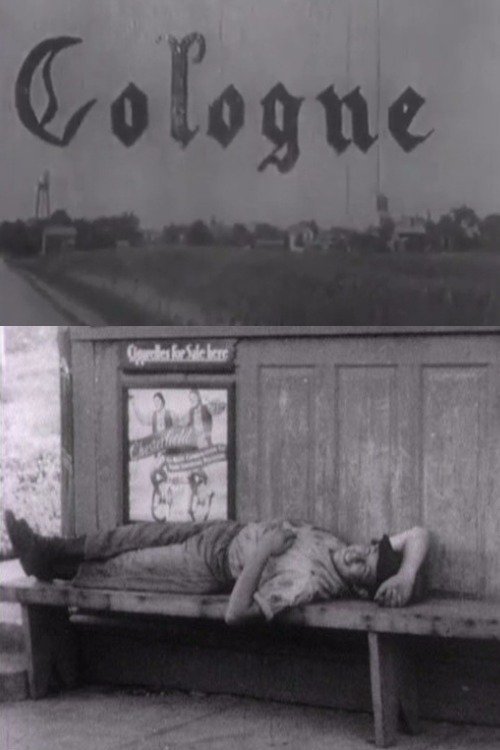
An amateur documentary focused on the community of Cologne, Minnesota, circa 1939.
1934

1927
1942
1929
1938
1937
1947
1939
No reviews yet. Be the first to share your thoughts on this movie!
Use the rating form above to leave a star rating and optional review.