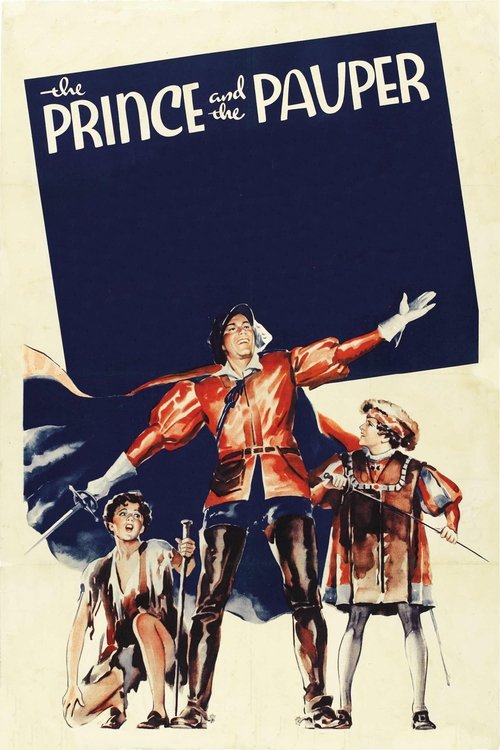
The Prince and the Pauper
1937
No user ratings available yet
Representation score: 2.3 out of 10
Representation Score
Limited
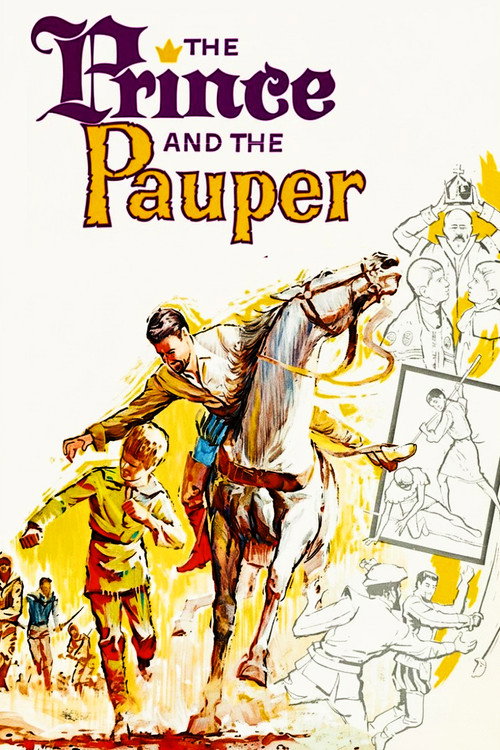
1962
GDirector
Don Chaffey
Runtime
93 minutes
Average Rating
No ratings yetNew Showbiz Analysis
The film operates as a traditional period piece that emphasizes historical realism over contemporary diversity. While it effectively explores the tension between systemic privilege and socioeconomic exclusion, it does so through a narrow demographic lens. The narrative's strength lies in its exploration of class stratification. By having a commoner ascend to a position of power, the film highlights the stark divide between social classes during the Tudor era. However, the production lacks diversity in gender, race, and identity. The story adheres strictly to the homogeneous and straight-centered social landscapes of the 16th century, offering little challenge to established social frameworks.
Category Breakdown
The film focuses solely on the bond between two male protagonists. It does not depict any non-straight or non-cisgender identities or same-sex relationships.
The story centers around male characters, particularly the Prince and the pauper. Female characters play supporting roles that reinforce traditional patriarchal structures.
The cast is predominantly white, reflecting the production standards and historical setting of the 1962 film. There are no non-white characters or diverse ethnic representations.
The story offers a moderate critique of class disparity by contrasting monarchy with widespread poverty. However, the ending upholds existing hierarchies instead of dismantling them.
Struggles in the film are defined by economic status rather than physical or sensory issues. There is no significant portrayal of neurodivergence or physical disabilities.
Present on Screen
Limited or Absent
Official Synopsis
In the London of 1537, two boys resembling each other exactly meet accidentally and exchange "roles" for a short while. After many adventures, the prince regains his rightful identity and graciously makes his "twin" a ward of the court.
1937

1977
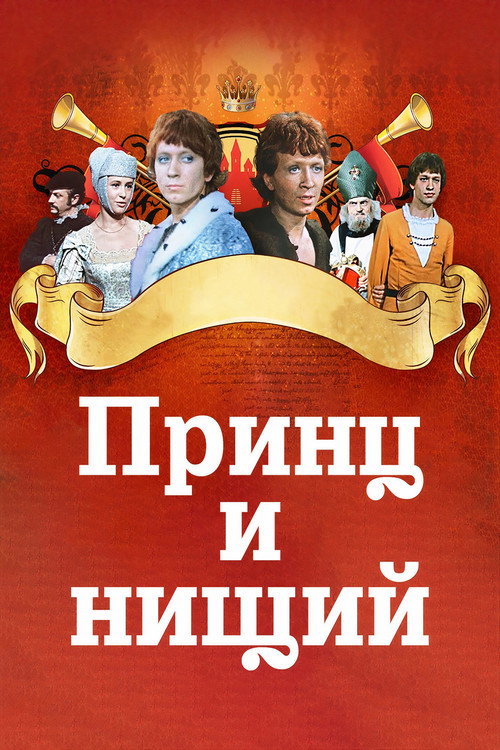
1972
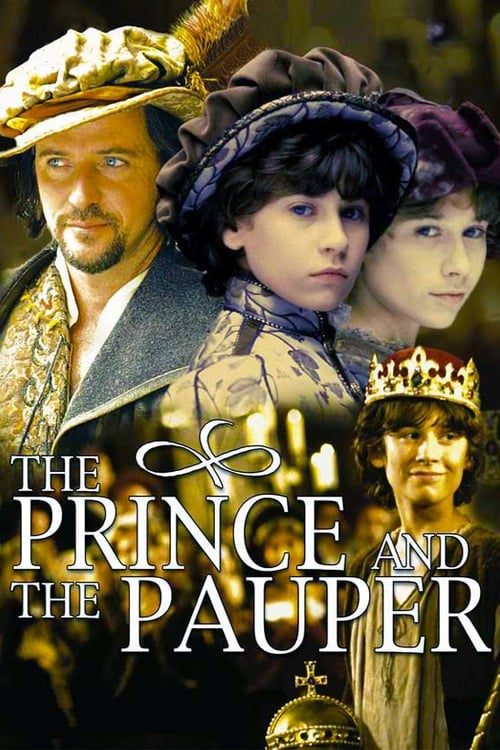
2000
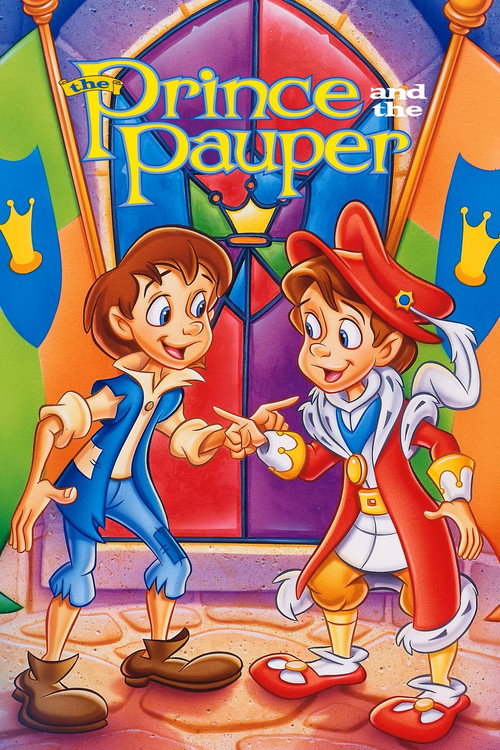
1995
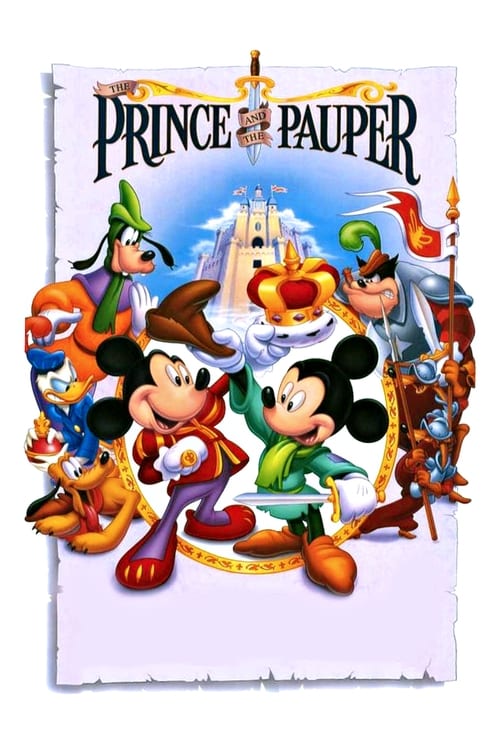
1990
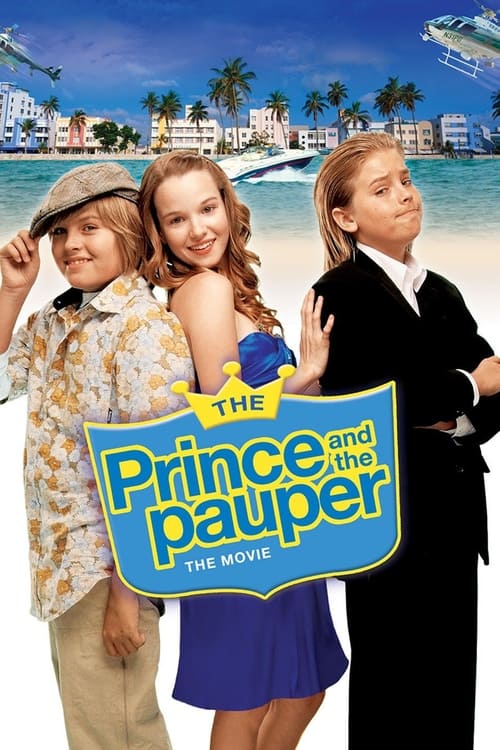
2007

1977
No reviews yet. Be the first to share your thoughts on this movie!
Use the rating form above to leave a star rating and optional review.